
Trending:
August 19, 2026, 02:16 PM - 9 min read
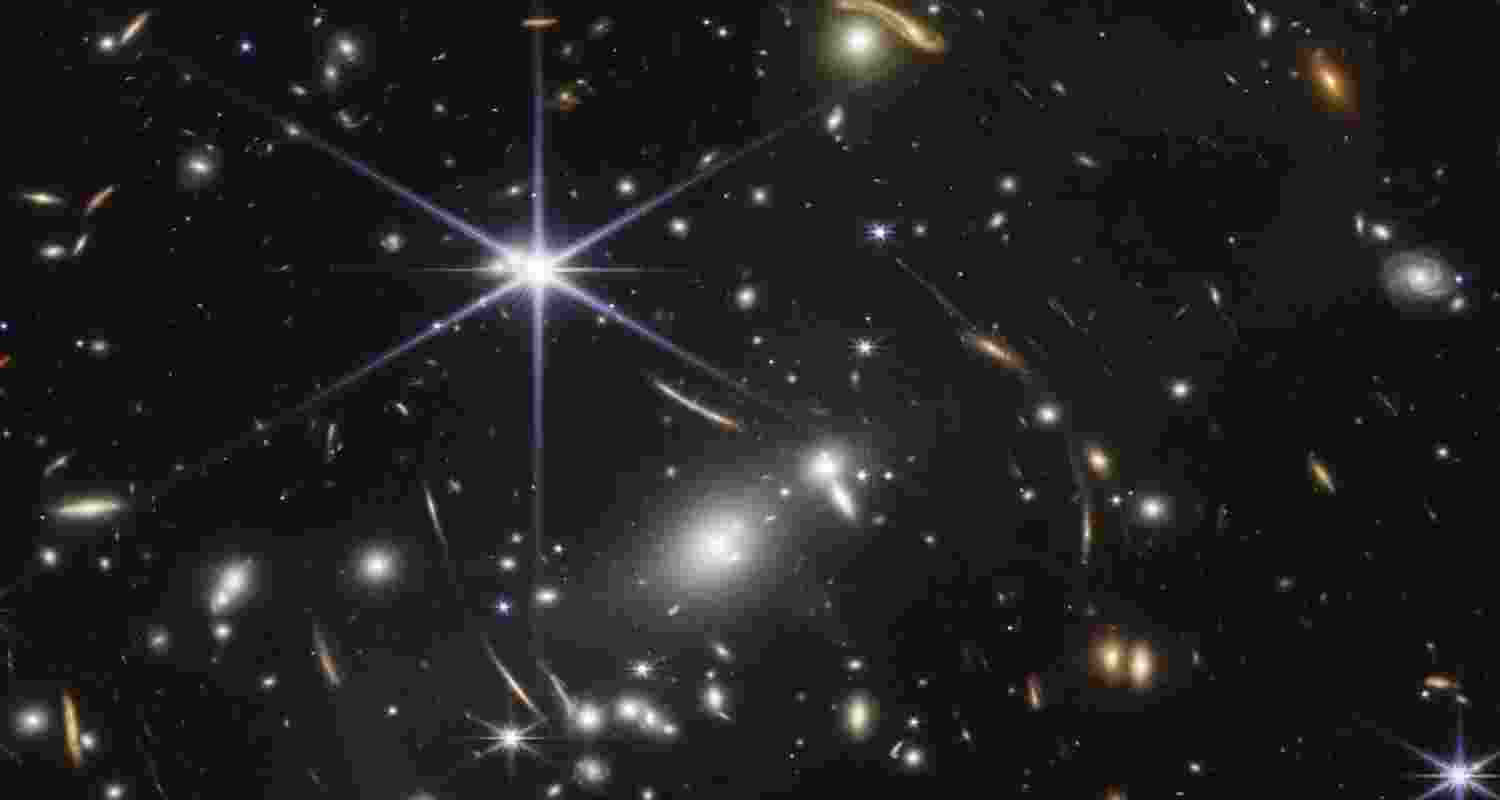
Scientists have shown that existing measurements of dark energy are robust. Rather than debating whether cosmic acceleration exists, the astrophysical community can return to the exciting task of figuring out what dark energy actually is and how to best measure it.
Read more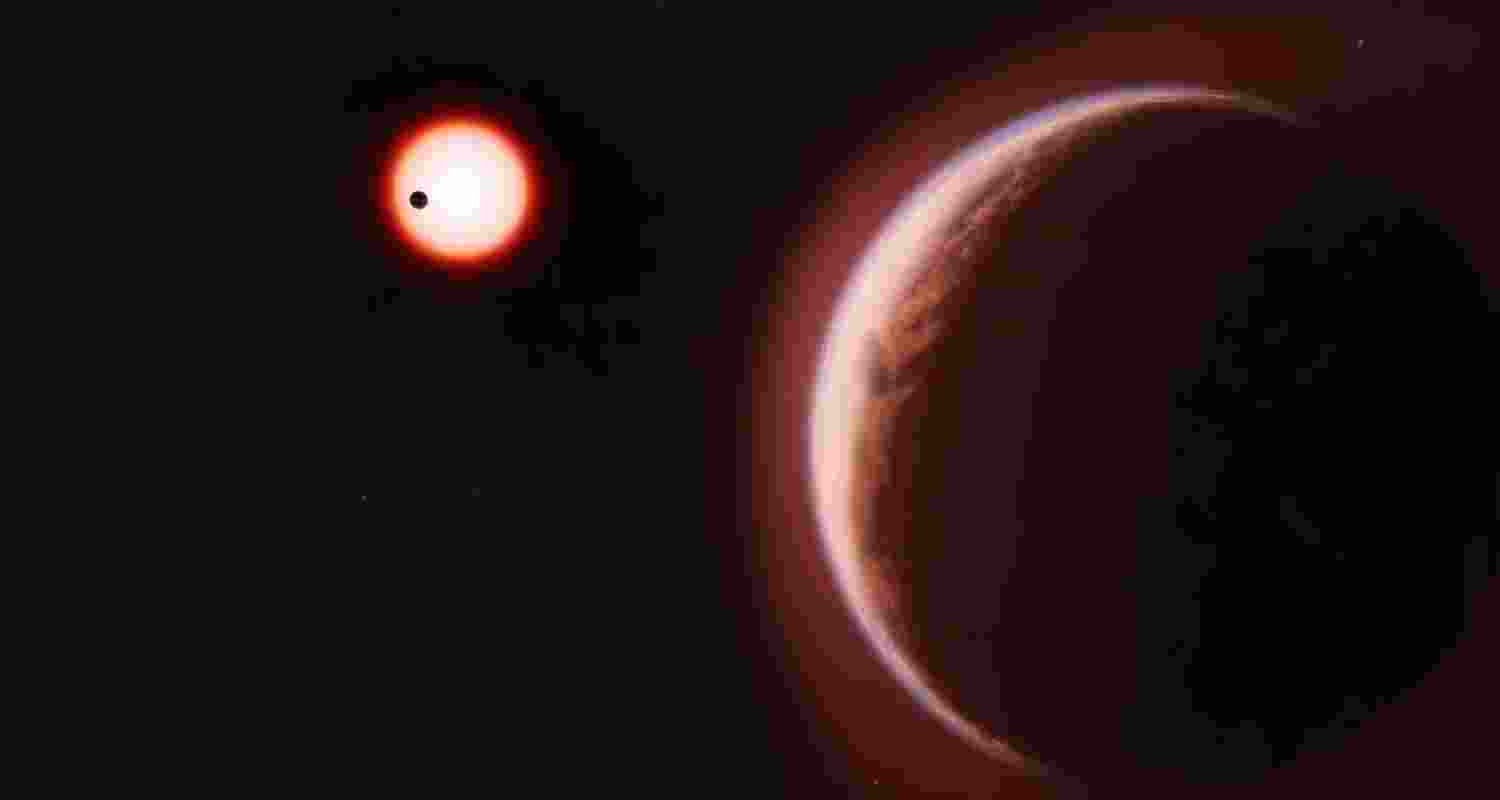
August 12, 2026, 02:29 PM - 7 min read
Solar sails and light sails are stepping stones from the present to the future, and from exploring our own solar system to exploring distant stars. Perhaps exoplanet LHS 1140b will be visited by a light sail at some point in our future.
Read more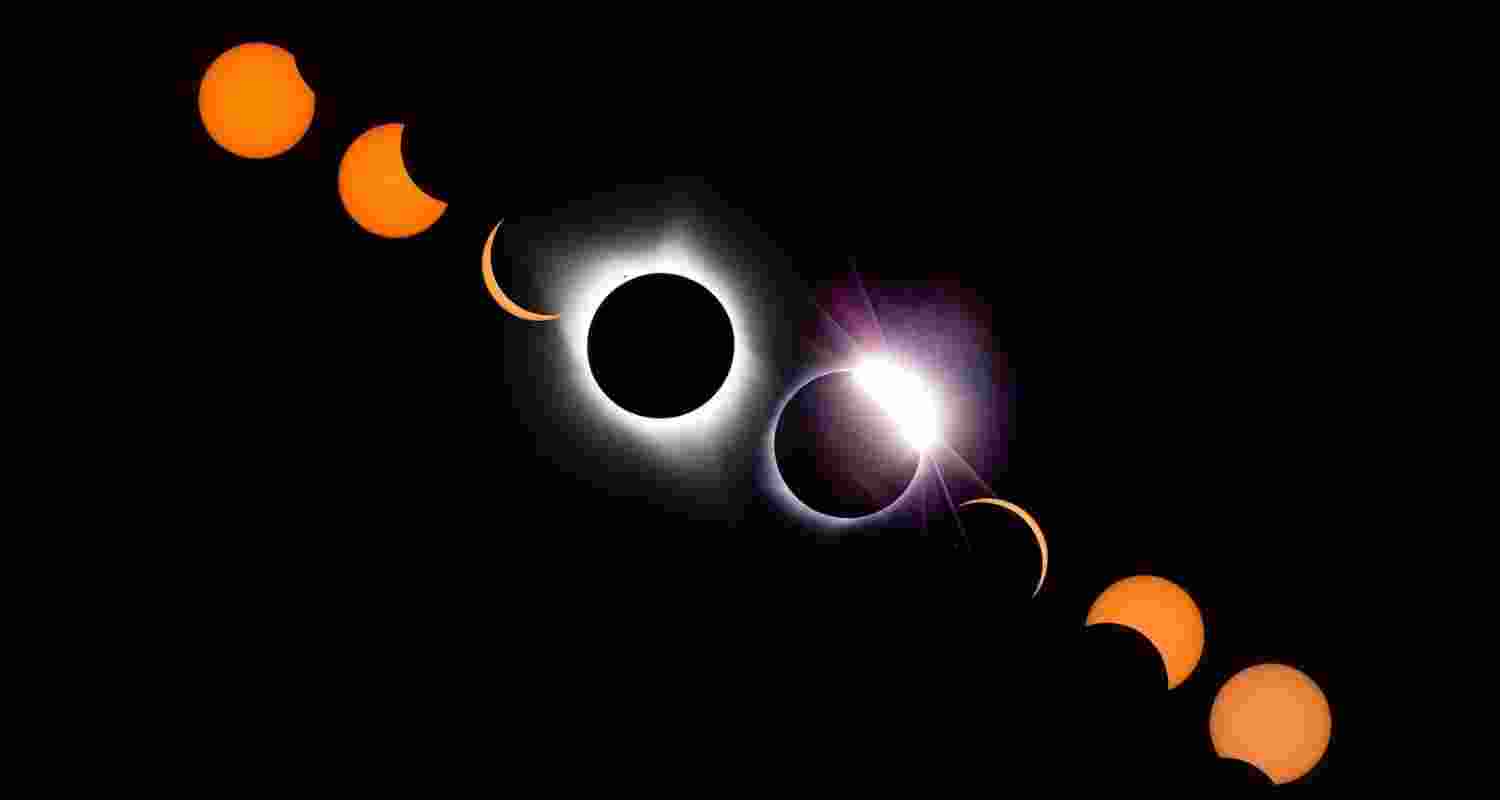
August 11, 2026, 01:00 PM - 6 min read
Throughout the solar system, solar eclipses are possible and, from some planets, frequent. From Earth, the occasional alignment of size, distance and time allows for total solar eclipses that make the Moon look as if it was made to fit perfectly over the Sun.
Read more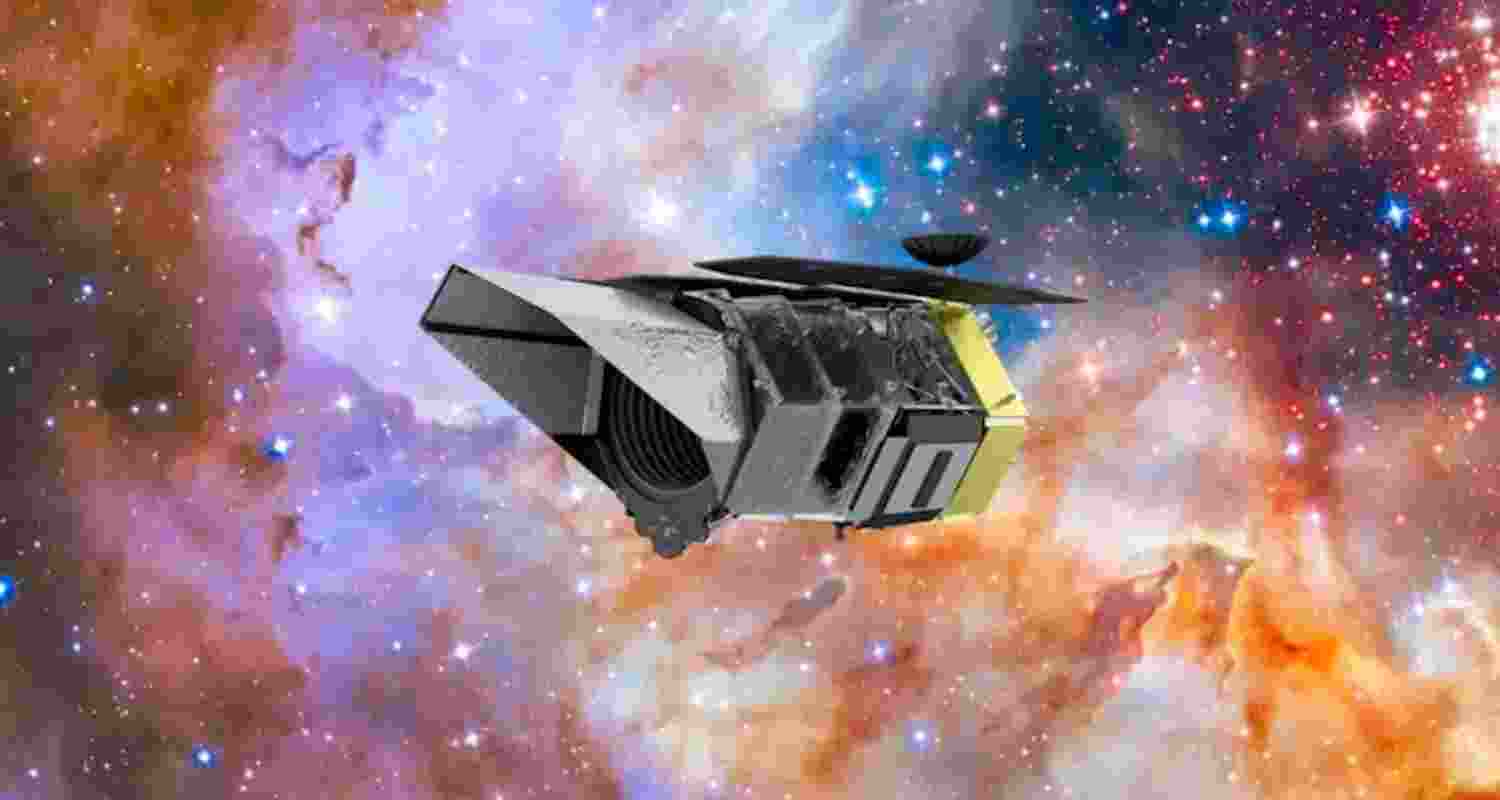
July 30, 2026, 01:16 PM - 7 min read
By mapping the universe in unprecedented detail, the Roman telescope will provide a powerful test of our current understanding of cosmology – and potentially point the way to new physics.
Read more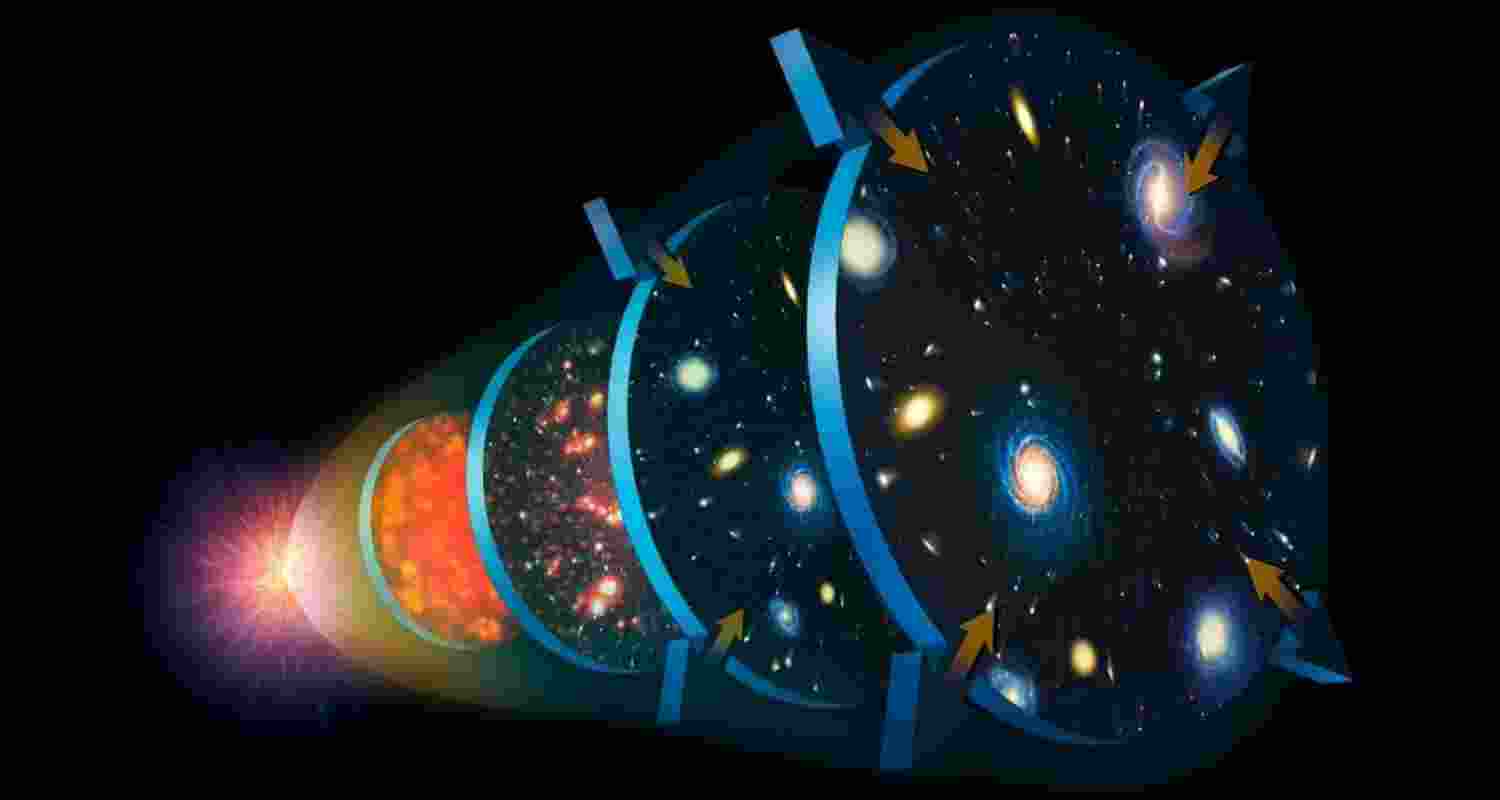
July 16, 2026, 01:58 PM - 9 min read
Peering into the distant past, the telescope has been revealing incredible new details of the early universe, galaxies, potentially habitable exoplanets and even familiar objects in our solar system.
Read more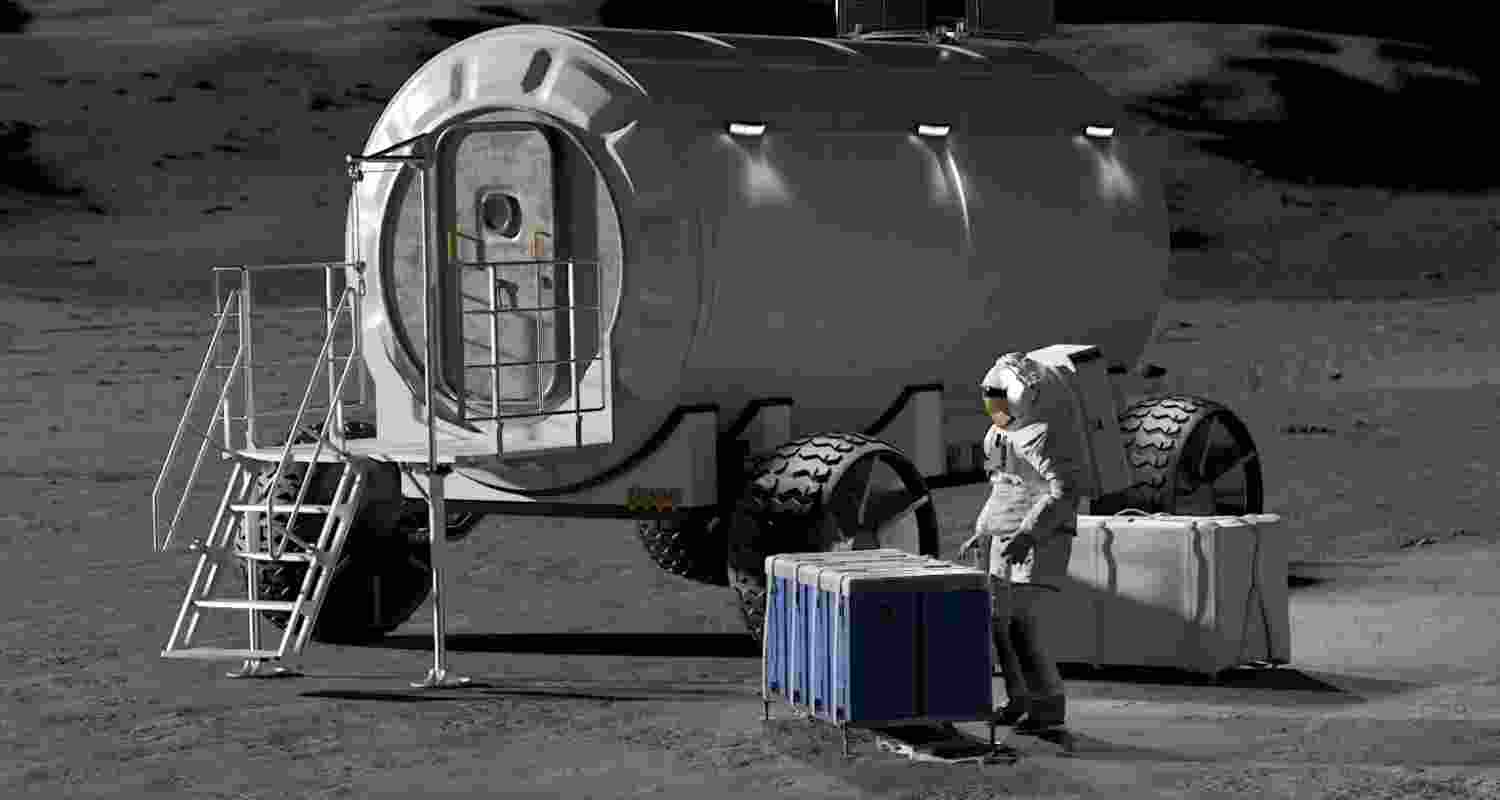
July 14, 2026, 12:48 PM - 8 min read
The 1979 United Nations Moon Agreement states that no one can claim sovereignty over the Moon, and must use its resources responsibly – which sounds promising. Unfortunately, almost none of the countries involved with Artemis, including the US and UK, have signed it. Scientists live in hope that this doesn’t all turn into a big land grab.
Read more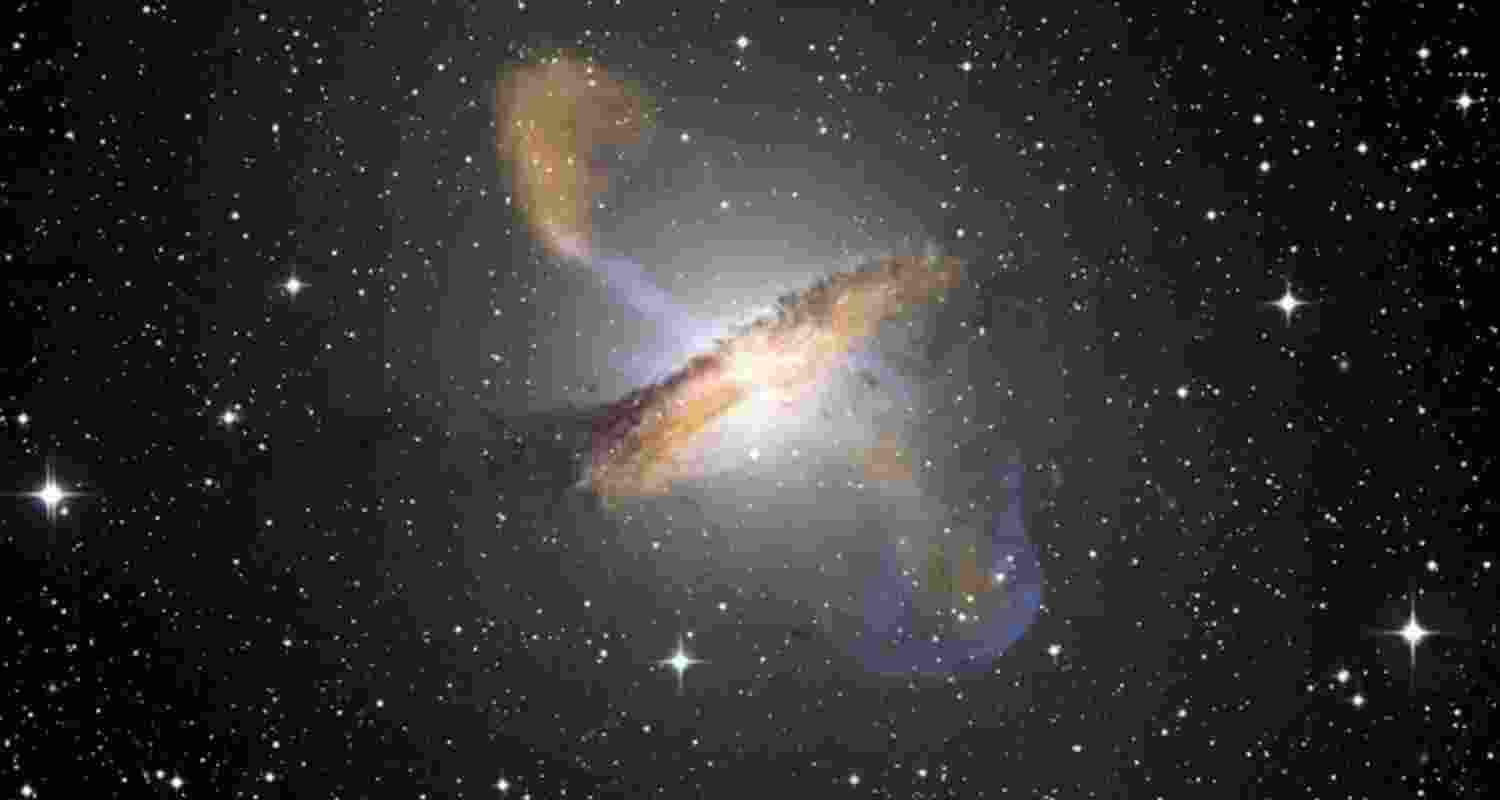
July 6, 2026, 01:59 PM - 6 min read
In short, no. There is no way to artificially produce the massive densities. The densest everyday material is many millions of times less dense than what is needed to produce a tiny black hole.
Read more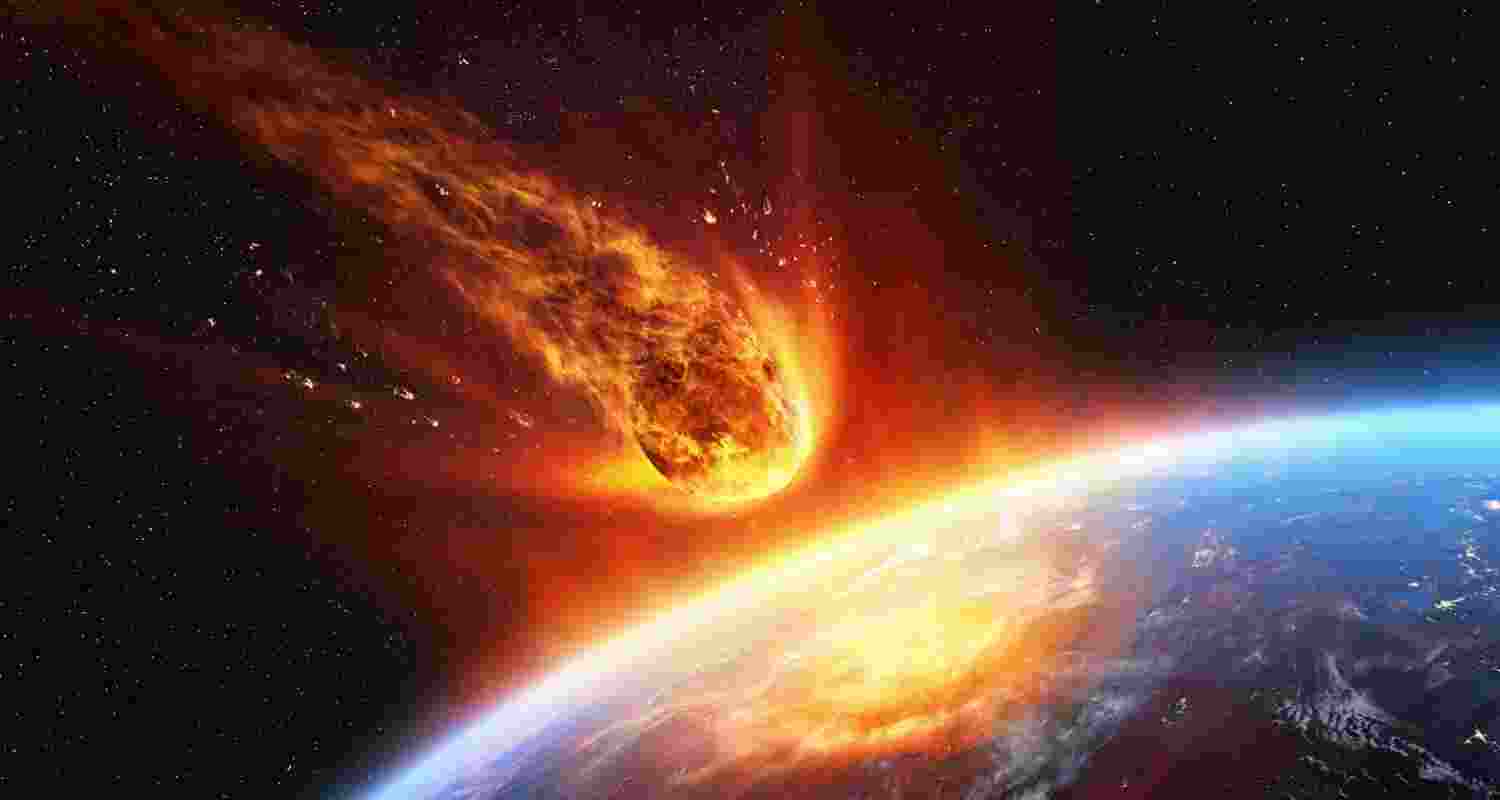
July 3, 2026, 04:48 PM - 7 min read
Most craters from the early Earth have vanished. At North Pole Dome, one survived. Its rocks preserve the trace of a space impact from 3.024 billion years ago – a rare page from the violent youth of our planet, with the date still written in the stone.
Read more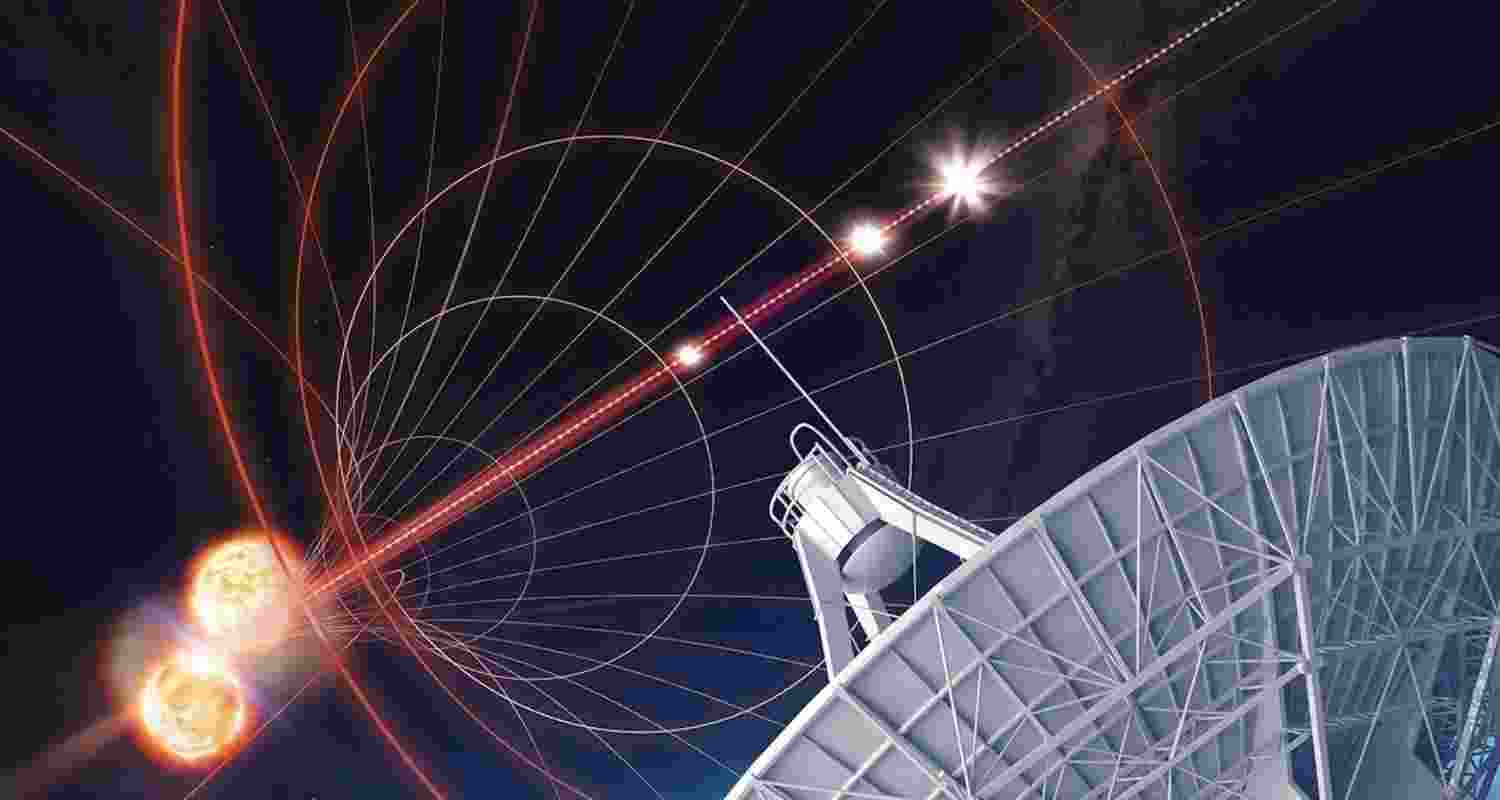
July 1, 2026, 12:32 PM - 6 min read
Gravitational waves offer an entirely independent way to measure the expansion of the universe. These large ripples in the fabric of space-time are produced when extremely dense objects, such as black holes, collide.
Read more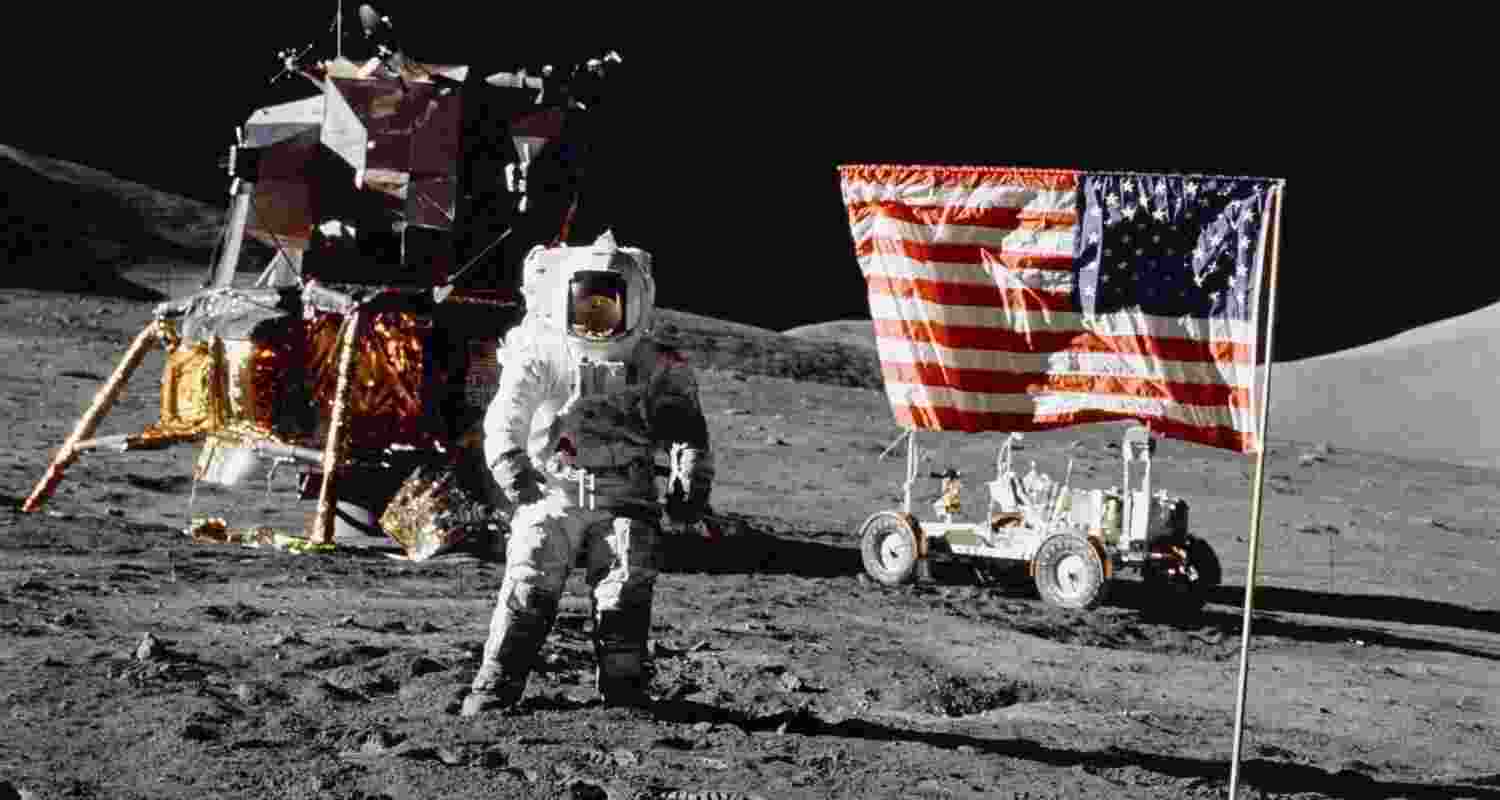
June 25, 2026, 04:00 PM - 5 min read
Amid all of these headlines out of the US, it can be easy to lose sight of the fact it isn’t the only major actor in space. While the US might be leading the current space race, other countries are close behind.
Read more
June 24, 2026, 01:03 PM - 9 min read
Earth’s food would not necessarily be edible for them. Terrestrial protein might be of no use if their digestive systems used different amino acids. Our sugars might prove useless if their metabolism could not handle them. Our bacteria may devastate alien life – or perhaps not infect it at all.
Read more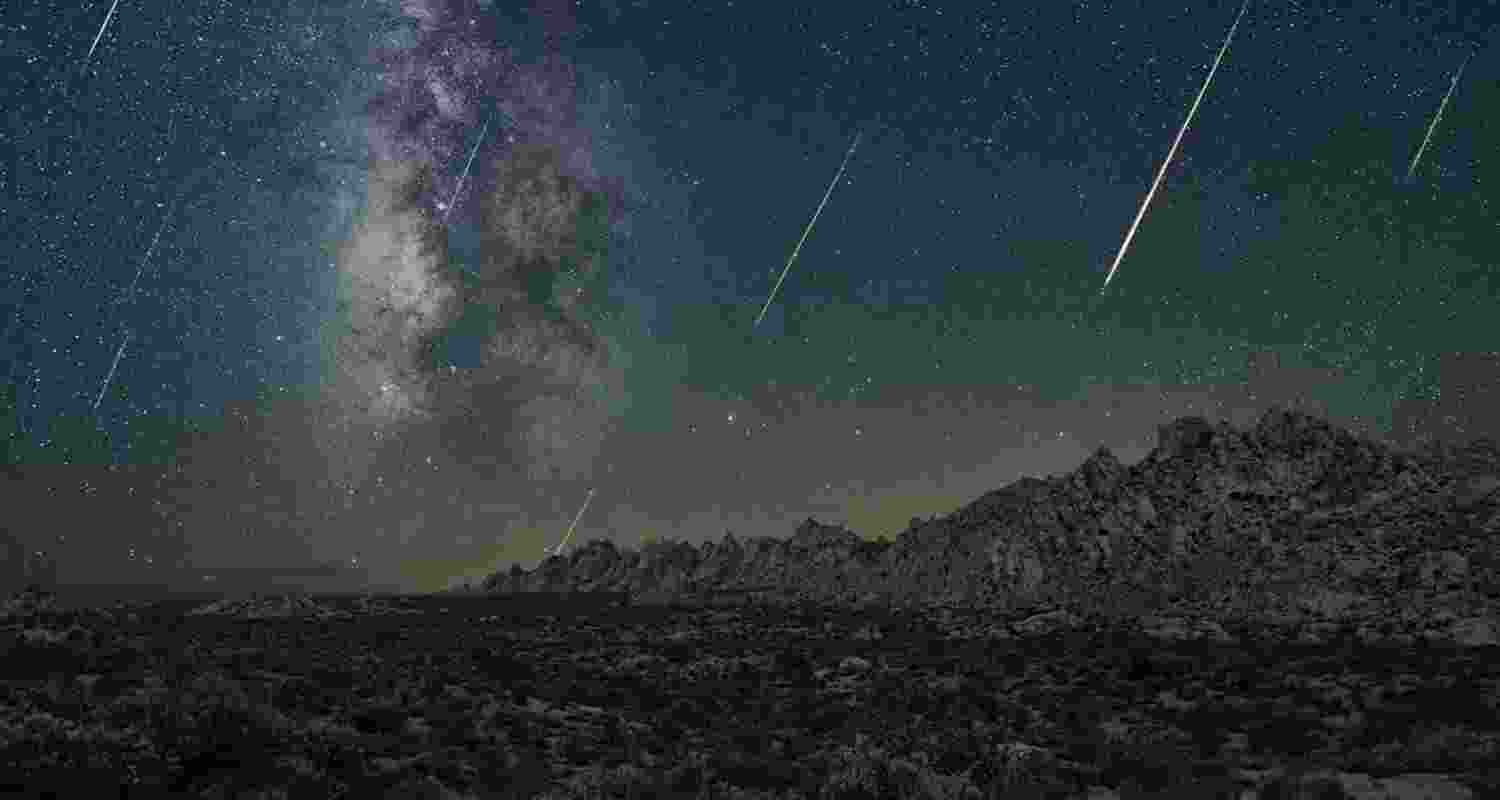
June 17, 2026, 12:54 PM - 6 min read
Comets, though typically found in the outer solar system, can also cause meteors, and even meteor showers. A few comets take long, elliptical paths through the inner solar system every year.
Read more