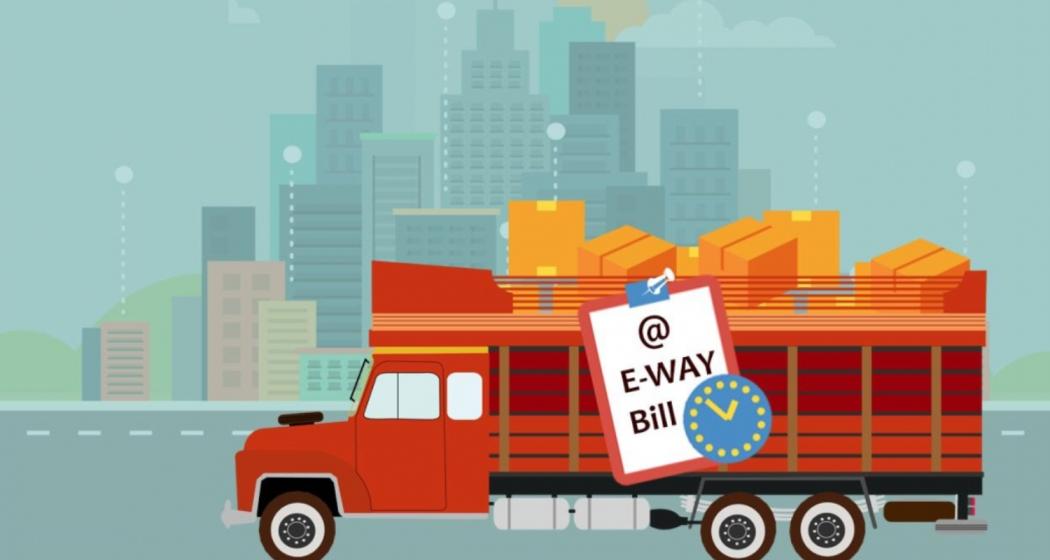
The Centre is working with states on a revamp of the GST e-way bill framework, with the proposed reforms set to be placed before the next meeting of the GST Council, a government source said on Thursday.
The proposed changes follow recommendations in the Economic Survey, which said the next phase of GST reforms could focus on reimagining the e-way bill as a facilitator of seamless logistics rather than primarily an enforcement mechanism. The reforms are expected to significantly deregulate the logistics ecosystem, reducing costs and delays while retaining non-intrusive oversight for tax administration.
“We are working with the states on e-way bill reform and will bring it before the GST Council,” the source said, adding that the proposal would be tabled once consultations conclude.
Also read: High taxes on cigarettes may push illicit trade: Report
The Survey suggested wider adoption of e-seals and electronic locking systems integrated with e-way bills and vehicle-tracking technologies to enable secure, end-to-end monitoring of consignments without routine road stoppages. It also stressed the need for state governments, key players in field-level enforcement, to shift towards risk-based, system-generated alerts and limit discretionary checks.
A trust-based compliance model, including a “trusted dealer” framework for taxpayers with strong compliance records, was also proposed to reduce physical inspections.
Introduced alongside GST in 2017, the e-way bill system replaced physical check posts, improving inter-state movement of goods. Under current rules, goods valued above Rs 50,000 require an e-way bill generated on the GST portal prior to transport.

 Follow us