
Trending:
CNG, LNG penetration in CV industry growing
The overall share of alternative fuel technologies, including CNG, LNG, and electric powertrains, is estimated to reach 40-45 per cent of the commercial vehicle market by FY30, compared with 27 per cent projected for FY26. Follow us
News Arena Network - New Delhi - UPDATED: July 27, 2026, 04:55 PM - 2 min read
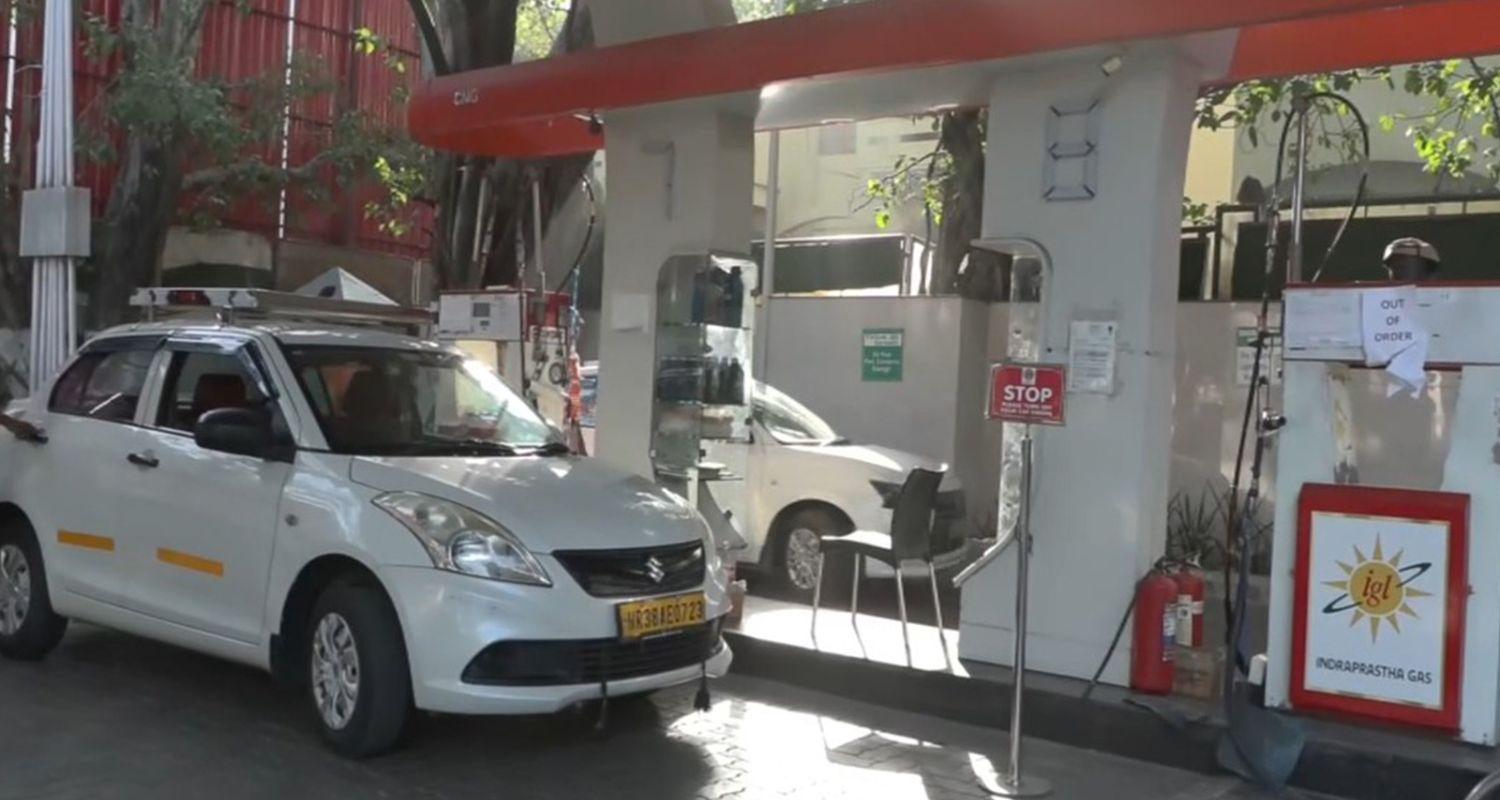
Representational image.
The adoption of cleaner fuel technologies in India's commercial vehicle (CV) industry is expected to gain significant momentum over the coming years, with the penetration of compressed natural gas (CNG) and liquefied natural gas (LNG) vehicles projected to increase to 30-35 per cent by 2029-30, according to a report by rating agency ICRA.
The report stated that CNG and LNG penetration in the commercial vehicle segment is expected to rise from around 25 per cent in 2025-26, reflecting a gradual shift away from conventional diesel-powered vehicles. The overall share of alternative fuel technologies, including CNG, LNG, and electric powertrains, is estimated to reach 40-45 per cent of the commercial vehicle market by FY30, compared with 27 per cent projected for FY26.
ICRA highlighted that the adoption of CNG and LNG vehicles has increased rapidly in recent years, rising from just 7 per cent in 2020-21 to 25 per cent in 2025-26. The growth has been supported by lower operating costs, increasing awareness among fleet operators, government efforts to promote cleaner fuels, and stricter emission regulations aimed at reducing pollution from transportation.
Electric vehicles (EVs) are also expected to play an increasingly important role in the commercial vehicle ecosystem. According to the report, electric powertrain penetration in the CV segment could reach 10-15 per cent by FY30, with adoption expected to be led primarily by buses and select applications in the medium and heavy commercial vehicle categories.
At the same time, the dominance of diesel in the commercial vehicle market has been gradually declining. Diesel's share is estimated to have fallen from 86 per cent in 2020-21 to 67 per cent in 2025-26. ICRA attributed this decline to stricter emission standards, rising preference for cost-effective alternatives, and improving economics of cleaner fuel technologies.
Petrol-powered commercial vehicles continue to account for a relatively small portion of the market. Their share remained below 10 per cent in 2025-26 and is largely limited to light commercial vehicles, where petrol models continue to find application in specific segments.
Commenting on the industry's transition towards alternative fuels, Kinjal Shah, Senior Vice President and Co-Group Head at ICRA, said that while adoption is increasing, several challenges continue to influence the pace of change.
"While the focus remains on increasing alternative fuel penetration, adoption in the Indian CV industry continues to face key challenges including high upfront vehicle costs and infrastructure gaps. Total cost of ownership remains a key factor for fuel technology adoption in a cost-sensitive market like India," Shah said.
The report noted that the pace of alternative fuel adoption will differ across vehicle categories. In the light commercial vehicle (LCV) segment, alternative fuel penetration is expected to reach 50-55 per cent by FY30. However, for medium and heavy commercial vehicles, penetration is likely to remain comparatively lower at around 25-30 per cent due to challenges related to vehicle range, infrastructure availability, and higher initial costs.
ICRA also highlighted variations in the economics of different fuel technologies. For 11-12 tonne electric trucks, the total cost of ownership is estimated to be 15-25 per cent lower than diesel or CNG-powered alternatives. In the case of 55-tonne electric trucks, the total cost of ownership is expected to be 10-15 per cent lower than diesel trucks but 15-20 per cent higher compared with LNG-powered vehicles.
Government support measures, including procurement incentives under the PM E-Drive Scheme, are expected to help reduce the upfront cost barrier for electric commercial vehicles and encourage greater adoption among fleet operators.
The report said domestic commercial vehicle manufacturers are increasingly investing in research and development across multiple fuel platforms to prepare for the industry's transition. Original equipment manufacturers (OEMs) are expanding their product strategies to include CNG, LNG, electric, and other emerging technologies.
Also read: Rs 100 crore-plus income rises four-fold: Govt
"Domestic CV original equipment manufacturers (OEMs) are stepping up research and development investments across multiple fuel platforms to align their product portfolios with emerging alternative fuel technologies," Shah said.
She added that manufacturers are focusing on modular vehicle architectures, allowing them to efficiently transition between different fuel technologies by standardising core components while integrating fuel-specific systems through interchangeable modules.
However, the transition also presents challenges for manufacturers, particularly regarding existing diesel powertrain capacity. As demand for alternative fuels rises, companies may face risks of underutilised diesel-related facilities. While existing manufacturing infrastructure can be adapted for CNG and LNG vehicles with moderate investment, shifting towards electric vehicles, hydrogen internal combustion engines, and hydrogen fuel-cell technologies may require significantly higher transition costs.
"The Indian CV industry is gearing up for transition towards alternative fuels with several external and internal factors at play," Shah said. "While the industry growth in volumetric terms may remain largely unaffected with the said transition underway, the incremental rise is likely to be increasingly dominated by alternative fuels."
The report suggests that India's commercial vehicle industry is entering a period of structural transformation, where cleaner technologies are expected to gradually gain a larger share while manufacturers, policymakers, and fleet operators adapt to the changing mobility landscape.
