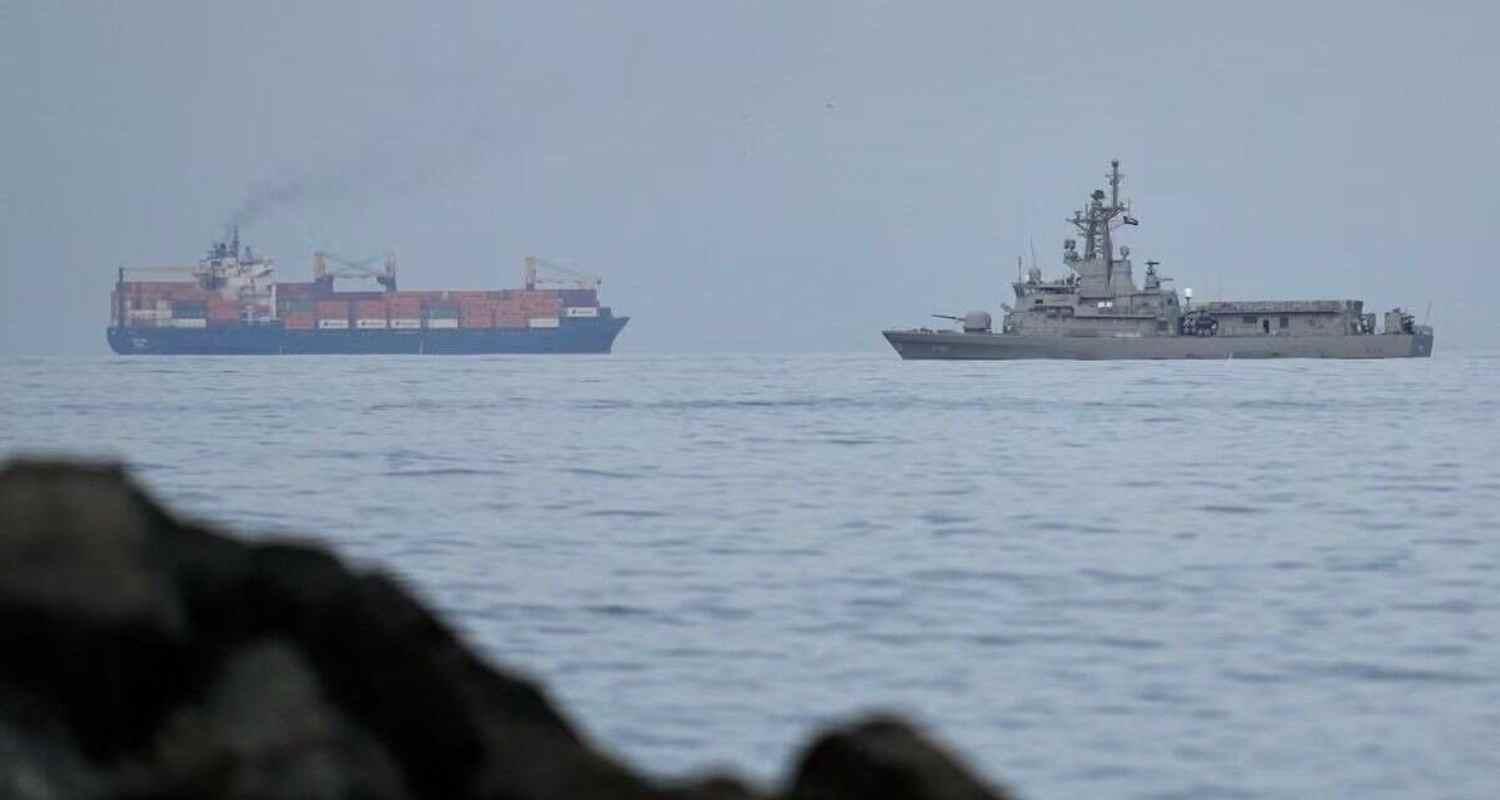
Crude oil prices continued to decline for the second consecutive day on Friday amid positive developments in West Asia after Iran and the United States agreed to end hostilities, at least for now. The fresh drop came after the US Navy lifted its blockade in the Gulf.
According to shipping sources, oil tankers are now smoothly passing through the Strait of Hormuz, a critical waterway that handles nearly one-fifth of global oil trade.
Brent Crude, the international benchmark, fell by 54 cents, or 0.68 per cent, to $78.31 per barrel at 01:46 GMT. Similarly, US West Texas Intermediate (WTI) crude dipped 46 cents, or 0.60 per cent, to $76.14 a barrel.
Oil prices had surged to record highs in April and May after Iran and the United States resumed hostilities, severely disrupting shipping in the Strait of Hormuz.
Iran had maintained tight control over the route, allowing only a fraction of vessels to pass through.
However, the resumption of peace talks, mediated by Pakistan, Oman, and Qatar, helped bring prices down, though with frequent fluctuations.
Prices fell from $120 per barrel in early April to $113 later that month and dropped below $100 in May.
The decline gained further momentum after the US and Iran signed a Memorandum of Understanding (MoU) to end hostilities and reopen the Strait of Hormuz for normal shipping.
Experts caution that it may take several months for oil prices to fully stabilise, as the prolonged crisis has exhausted critical reserves and supply chains in major Asian economies.

 Follow us