
Trending:
Gold imports jump 82 pc in April; silver 157 pc
For the financial year 2025-26, gold imports climbed 24 per cent to touch a record USD 71.98 billion. Follow us
News Arena Network - New Delhi - UPDATED: May 15, 2026, 06:59 PM - 2 min read
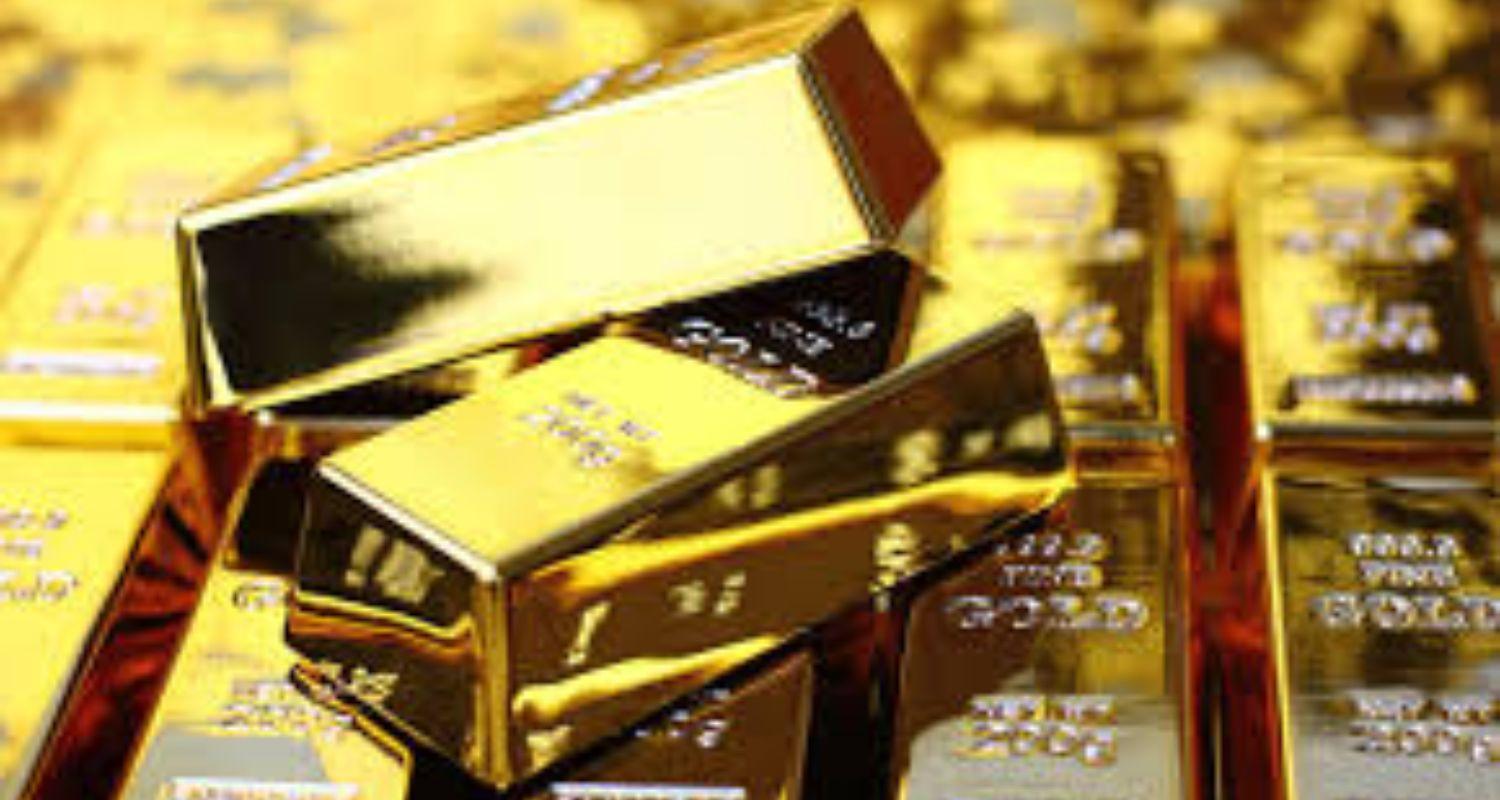
Representational image.
India’s gold imports recorded a sharp rise of 81.69 per cent year-on-year to USD 5.62 billion in April, largely driven by elevated prices of the precious metal. However, imports are expected to moderate in the coming months after the government significantly raised customs duty on gold.
According to data released by the commerce ministry, silver imports also witnessed a steep increase, surging 157.16 per cent to USD 411 million during the month.
For the financial year 2025-26, gold imports climbed 24 per cent to touch a record USD 71.98 billion. In volume terms, however, imports declined by 4.76 per cent to 721.03 tonnes, indicating that the rise in value was mainly due to higher prices.
The government increased import duty on precious metals, including gold and silver, from 6 per cent to 15 per cent with effect from May 13.
Commerce Secretary Rajesh Agrawal said the higher duty is likely to reduce imports in the coming months, although the extent of the impact remains uncertain.
“With the higher import duty on gold and silver, there will certainly be some impact in terms of lower imports during the year. We need to wait and watch how significant it will be,” Agrawal told reporters.
He noted that the effect on silver imports may be comparatively limited because of the metal’s extensive industrial use. “However, consumption-driven demand for gold and silver should definitely decline because of the increase in duty,” he added.
On imports from the UAE, Agrawal said gold shipments from the Gulf nation declined both in value and volume during 2025-26 despite higher unit prices, leading to a reduction in the UAE’s share of India’s overall gold imports.
Under the India-UAE Comprehensive Economic Partnership Agreement (CEPA), which came into force on May 1, 2022, a Tariff Rate Quota (TRQ) mechanism allows import of gold bullion at a concessional customs duty, offering a one per cent reduction over the prevailing duty.
According to official data, India imported 795 tonnes of gold in 2023-24 and 757 tonnes in 2024-25. Of this, imports under the TRQ mechanism accounted for only around 5 per cent (40 tonnes) and 18 per cent (approximately 140 tonnes), respectively.
For 2025-26, the allocated quantity under the mechanism was 8.58 tonnes, while India’s total gold imports during the last fiscal stood at 721 tonnes. “I would like to clarify that the tariff rate quota concession on gold under the UAE CEPA agreement has not had any major impact on India’s gold imports during 2025-26,” Agrawal said.
He explained that the total TRQ issued for gold imports under the pact during 2025-26 was valued at only around USD 8 billion, equivalent to nearly eight tonnes, and remains valid till June 2026.
Also read: Unemployment rate at 6-month high of 5.2 pc
“The actual import under this mechanism by March 31 was only around one tonne of gold. Therefore, the UAE CEPA has not had a major effect on gold imports,” he said.
Agrawal further stated that any rise in bullion imports from the UAE in recent years had largely been offset by increased imports from Switzerland, India’s primary source for gold.
“Imports of gold dore for refining in the country have continued on a positive trajectory. Total dore imports remain around 250-300 tonnes annually and are sourced from several regions, including Africa, Latin America and the United States,” he said.
Silver imports also saw a massive jump of nearly 150 per cent to USD 12 billion in the previous fiscal due to elevated global prices. In volume terms, silver imports increased 42 per cent to 7,334.96 tonnes during 2025-26.
The sharp rise in imports of precious metals in April contributed significantly to widening India’s trade deficit, which reached a three-month high of USD 28.38 billion.
In the domestic market, gold prices are currently hovering around Rs 1,56,000 per 10 grams, inclusive of taxes, in the national capital, while silver prices are close to Rs 2.53 lakh per kilogram.
Switzerland remains India’s largest source of gold imports with around 40 per cent share, followed by the UAE with over 16 per cent and South Africa with nearly 10 per cent.
Imports from Switzerland alone rose 26.73 per cent to USD 1.47 billion in April. India is the world’s second-largest consumer of gold after China, with imports largely catering to demand from the jewellery industry. Gold imports also have a direct impact on the country’s current account deficit (CAD).
According to Reserve Bank of India data released on March 2, India’s current account deficit widened to USD 13.2 billion, or 1.3 per cent of GDP, during the December quarter compared to USD 11.3 billion a year earlier, mainly due to a larger trade deficit caused by lower exports to the United States.
However, for the April-December 2025 period, the CAD moderated to USD 30.1 billion, or 1 per cent of GDP, from USD 36.6 billion, or 1.3 per cent of GDP, during the same period of the previous year.
A current account deficit occurs when the value of a country’s imports of goods and services, along with other outward payments, exceeds its export earnings and inward receipts during a given period.
To curb rising imports of precious metals, the government has also imposed restrictions on imports of various forms of gold, silver and platinum articles.
