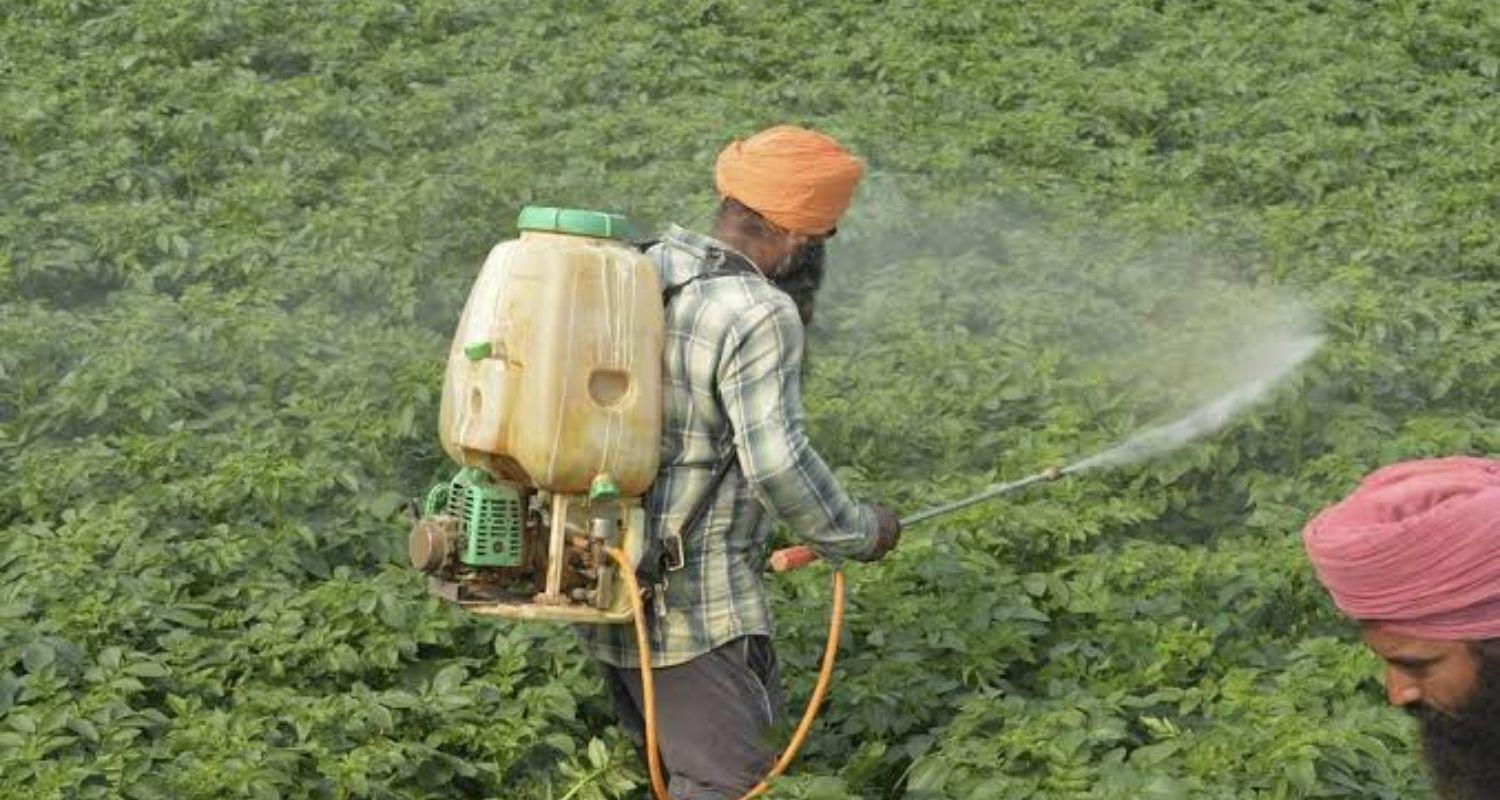
The Centre is supporting 11 pilot projects aimed at enabling farmers to participate in the voluntary carbon market and generate income through carbon credits, the Ministry of Agriculture and Farmers' Welfare informed Parliament on Tuesday.
In a written reply to a question in the Lok Sabha, Minister of State for Agriculture Ramnath Thakur said the pilot initiatives are being implemented through seven institutes under the Indian Council of Agricultural Research (ICAR) and four state agricultural universities. The projects are designed to promote sustainable farming practices while creating opportunities for farmers to earn additional income by reducing greenhouse gas emissions and increasing carbon sequestration.
The minister said the primary objective of these projects is to provide technical support, build institutional capacity and develop scientific methodologies for generating carbon credits from various regenerative agricultural practices.
"These projects aim to facilitate technical support and capacity building of the participating institutions, including the development of methodologies for carbon credit generation from various regenerative agriculture practices," Thakur said.
The pilot projects focus on farming techniques that improve soil health, conserve natural resources and enhance the ability of agricultural land to absorb and store atmospheric carbon. Such practices include conservation agriculture, reduced tillage, crop residue management, integrated nutrient management, agroforestry, efficient water use and other climate-smart farming methods that contribute to lowering agriculture's carbon footprint.
By developing credible methodologies for measuring and verifying carbon sequestration, the projects are expected to create a framework through which farmers can earn carbon credits. These credits can then be traded in voluntary carbon markets, allowing farmers to receive financial incentives for adopting environmentally sustainable agricultural practices.
The government believes that participation in carbon markets could become an important supplementary source of income for farmers while also contributing to India's climate commitments under international agreements. Agriculture is regarded as one of the key sectors capable of reducing emissions and increasing carbon storage through improved land management practices.
To strengthen the regulatory framework for carbon trading, the government has also published the draft Detailed Procedure for the Programme of Activities (PoA) under the Offset Mechanism of the Carbon Credit Trading Scheme (CCTS). The proposed framework aims to standardise the process of registering projects, monitoring emission reductions and issuing carbon credits under the national carbon trading mechanism.
The Carbon Credit Trading Scheme is intended to establish a structured market for carbon credits in India by encouraging emission reduction activities across different sectors, including agriculture. Under the offset mechanism, verified emission reduction projects can generate tradable carbon credits, creating financial incentives for sustainable practices.
Also read: Weak rupee not a sign of weak economy, says government
Officials said the draft procedure is expected to provide greater clarity on the implementation of carbon credit projects and encourage wider participation from institutions, farmer groups and other stakeholders. Once finalised, the framework will help streamline the process of developing and certifying carbon credit projects in the agriculture sector.
The Agriculture Ministry has been promoting climate-resilient farming practices through various programmes, recognising that sustainable agriculture is essential for ensuring food security while addressing the challenges posed by climate change. The pilot projects are expected to generate valuable data and practical experience that can be used to expand carbon credit opportunities for farmers across the country.
Experts believe that a well-functioning carbon market could provide an additional revenue stream for farmers while encouraging the adoption of environmentally friendly farming techniques. However, they also stress the importance of developing transparent measurement, reporting and verification systems to ensure the credibility of carbon credits generated from agricultural activities.
The government said the ongoing pilot projects represent an important step towards integrating Indian agriculture with the voluntary carbon market and creating a scientific foundation for farmers to benefit from the growing global demand for high-quality carbon credits while supporting sustainable and regenerative farming practices.

 Follow us