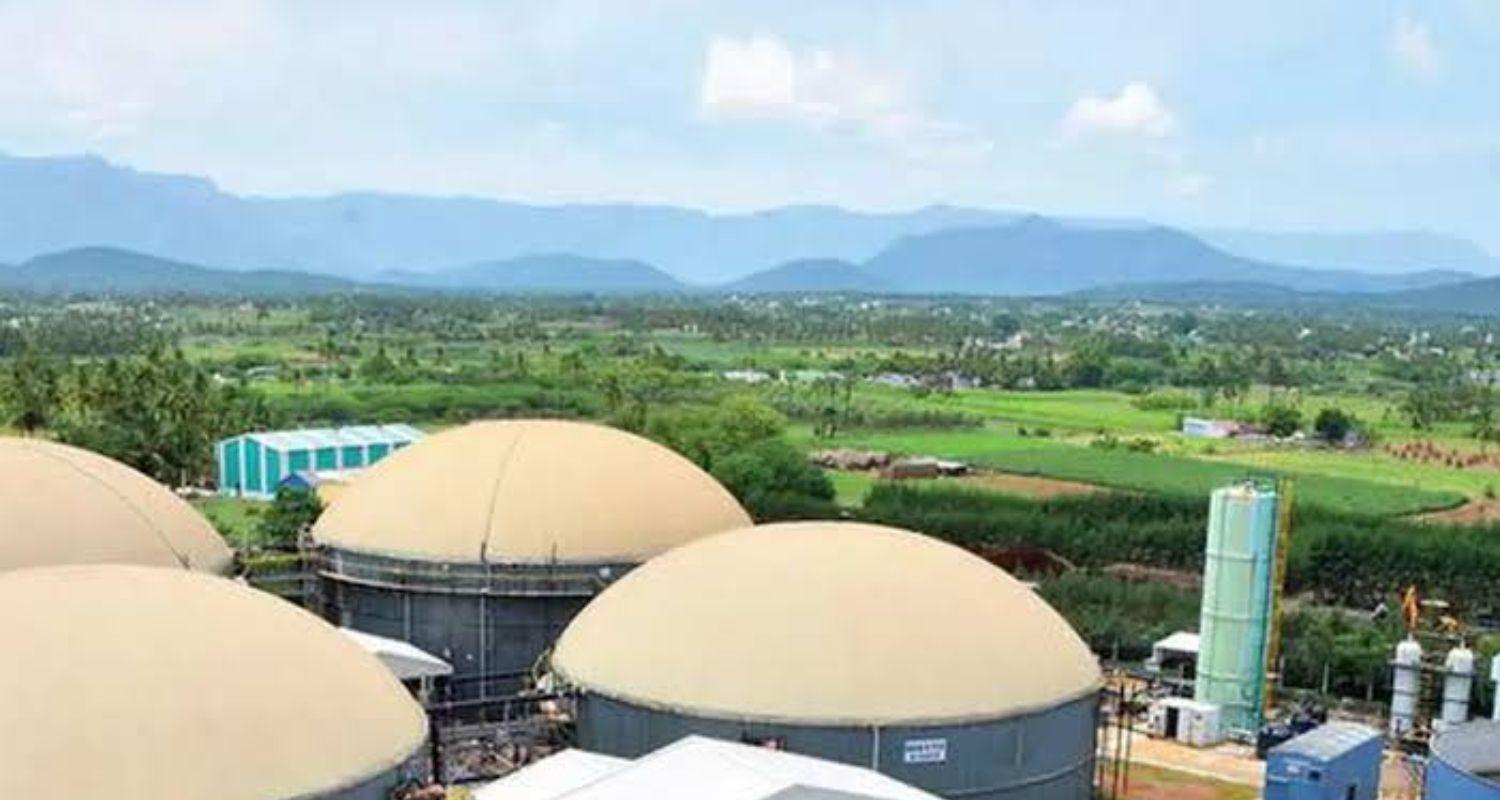
Bio-energy is rapidly emerging as a vital component of India's green growth agenda and is expected to play a significant role in the country's transition towards a cleaner and more sustainable energy future, the Trade Promotion Council of India (TPCI) said on Sunday.
On June 12, the council brought together policymakers, diplomats, industry representatives, energy specialists, innovators and other stakeholders from the bio-energy sector to discuss strategies for accelerating India's shift toward sustainable growth and enhanced energy security.
The Trade Promotion Council of India also announced the formation of a dedicated Bio-Energy Committee aimed at bringing together key stakeholders, encouraging dialogue on policy and regulatory issues, and developing recommendations to speed up adoption and attract greater investment into the sector.
"Our objective is to strengthen India's bio-energy ecosystem and align industry goals with the country's climate commitments, including the target of achieving net-zero emissions. This is the right time to act. Collaboration will be critical. Government, industry and academia must work together to drive innovation, affordability and scalability," TPCI Chairman Mohit Singla said.
Also read: Gold prices may remain down even after the Iran war subsides
He noted that the bio-energy sector offers immense opportunities for India by helping reduce dependence on fossil fuels while simultaneously addressing waste management concerns.
According to Singla, initiatives such as bio-CNG production, ethanol blending and biomass-based power generation can make a substantial contribution to the country's clean energy portfolio. In addition, the sector has the potential to generate rural employment opportunities and provide economic benefits to farmers.
"Bio-energy is much more than an alternative source of fuel. It is a strategic driver of India's green growth journey and is positioned to become a cornerstone of the country's energy transition. Energy security, sustainability, climate resilience and economic development are no longer separate issues; they are closely interconnected," he said.
Bio-energy refers to renewable energy produced from biological resources, including agricultural residues, crop waste, animal manure, forestry by-products, municipal organic waste and specially cultivated energy crops.
These resources can be converted into multiple forms of energy, such as biofuels including ethanol and compressed biogas (CBG), electricity, heat, and even sustainable aviation fuel, making bio-energy an increasingly important element of India's clean energy strategy.

 Follow us