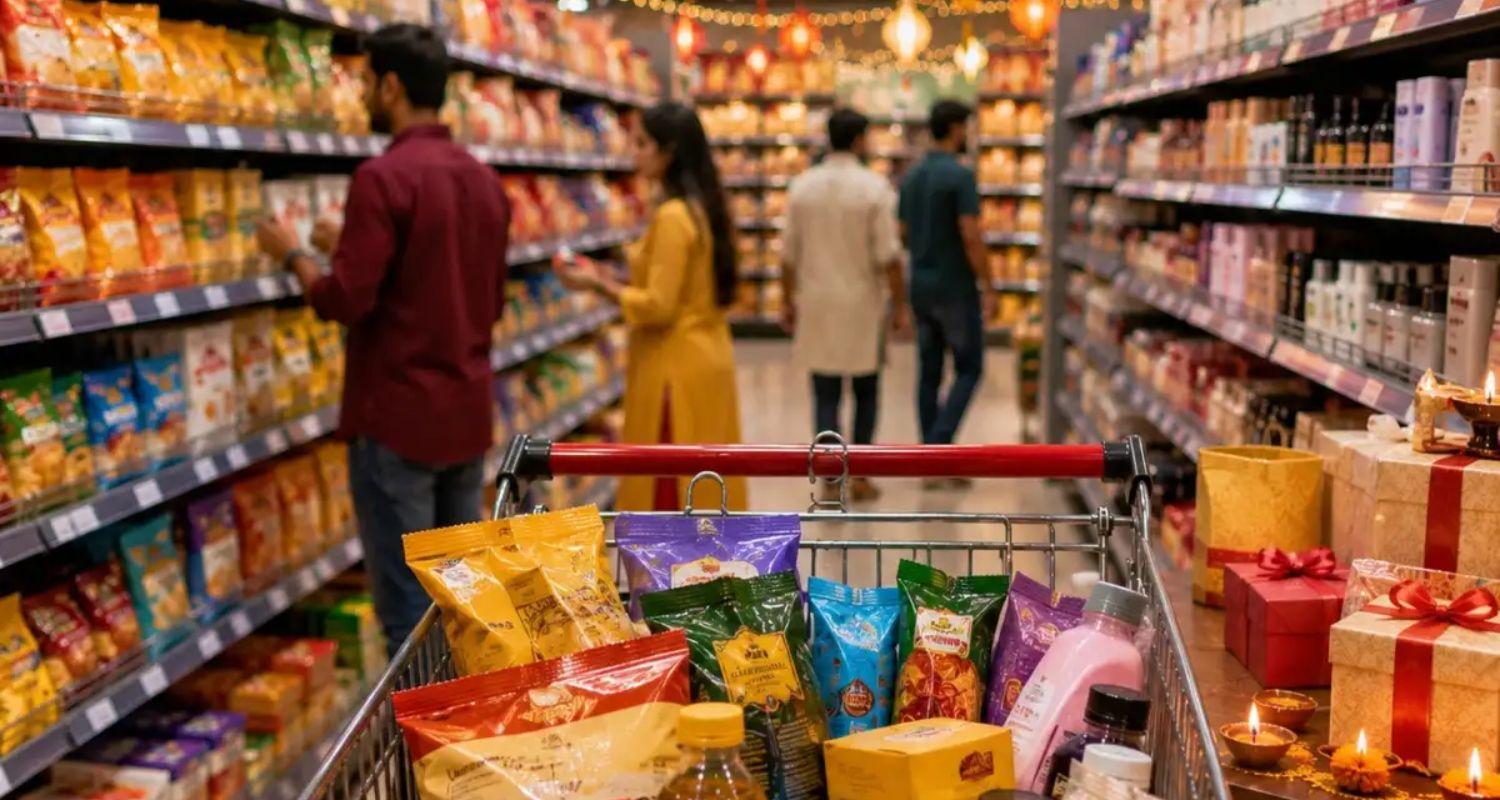
India’s consumer sector is heading into the festive season on a relatively strong footing, with improving purchasing power and resilient consumer sentiment expected to support demand in the coming months. However, companies are likely to face continued pressure on profitability amid elevated input costs, intensifying competition from quick-commerce platforms and changing consumer preferences.
According to the July 2026 consumer sector tracker, FMCG demand is projected to grow by around 9-11 per cent between August and November, supported by an improvement in consumers’ real purchasing power. A period of relatively subdued inflation has helped ease pressure on household budgets and is expected to create a favourable environment for higher discretionary and festive-season spending.
Consumer demand has remained resilient despite geopolitical uncertainties and headwinds linked to developments in the Middle East. Companies across multiple consumer categories have reported healthy demand, indicating that consumption momentum has remained relatively stable despite external challenges.
The recovery is also beginning to reflect in corporate performance. Hindustan Unilever recorded its fastest volume growth in 13 quarters, while Nestle India reported revenue growth of around 25 per cent. The improvement in volumes suggests that consumers are gradually returning to stronger consumption patterns.
However, the positive demand outlook is being accompanied by concerns over margins. Rising prices of key inputs such as palm oil, crude and packaging materials have increased cost pressures for consumer companies. Although several companies have implemented price increases to offset higher costs, these measures could affect demand and limit the extent to which companies can fully pass on increased expenses to consumers.
The sector is also undergoing a broader competitive transformation. Traditional advantages such as extensive distribution networks, large-scale advertising and established brands are increasingly being challenged by premium products, personalised offerings and digitally enabled consumption models.
The report suggests that consumer companies may increasingly need to rely on data-driven insights and faster innovation to maintain market leadership. As consumer preferences become more fragmented, the ability to identify emerging trends and respond quickly could become as important as scale and distribution reach.
Quick commerce is emerging as one of the biggest forces reshaping the consumer market. Flipkart’s Minutes is targeting around 1,500 fulfilment centres across more than 180 cities. Meanwhile, Blinkit, Zepto and Swiggy Instamart together operated more than 5,600 dark stores across 408 cities as of July.
The rapid expansion of these platforms is putting pressure on traditional FMCG distribution models, while simultaneously creating new channels for brands to reach consumers. Faster delivery, greater product availability and personalised digital engagement are changing purchasing habits, particularly in urban markets.
Also read: Banks write off Rs 10 lakh-cr corporate loans
The investment environment in the consumer sector has also remained active. July recorded 14 private-equity transactions and three venture-capital deals, with private-equity transactions accounting for around 98 per cent of the total deal value. The average deal size stood at approximately Rs 534 million.
At the same time, investors are increasingly placing greater emphasis on profitability and sustainable growth rather than rapid expansion alone. Zepto’s decision to defer its planned initial public offering after investors pushed for a significantly lower valuation reflects this changing approach. The company has instead prioritised improving profitability with additional pre-IPO funding.
Overall, the upcoming festive season is expected to provide a significant near-term boost to consumer demand. However, sustaining growth beyond the seasonal cycle will depend on companies’ ability to manage input costs, protect margins, innovate rapidly and adapt to premiumisation, personalisation and the growing influence of quick commerce.

 Follow us