India’s telecom sector recorded a year of historic expansion in 2025, marked by a surge in internet penetration, near-universal 5G coverage and significant strides in indigenous technology development, the Department of Telecommunications said in its year-end review.
A statement issued by the Ministry of Communications highlighted the scale and pace of growth across connectivity, digital infrastructure and cyber security, describing the year as a milestone in India’s journey towards telecom self-reliance and digital inclusion.
One of the year’s defining developments was the launch of National Broadband Mission 2.0 in January, aimed at accelerating digital transformation by extending high-speed broadband to villages, schools, health centres and other key institutions. The initiative aligns with the government’s long-term vision of a “Viksit Bharat” by 2047.
India’s internet connections crossed the one-billion mark during the year, reaching over 100 crore, nearly four times the number recorded in 2014. Broadband subscriptions rose to nearly 100 crore, while average monthly data consumption per wireless subscriber climbed to 24 GB, placing India among the world’s highest data consumers. Median mobile broadband speeds increased sharply, touching over 130 Mbps by October 2025.
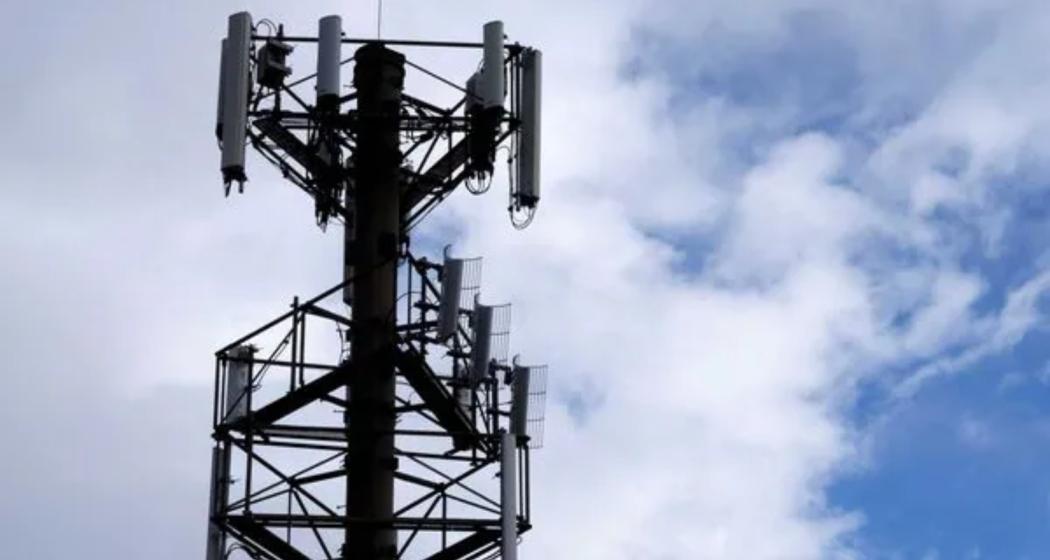
The nationwide rollout of 5G emerged as a central achievement. According to the review, 5G services are now available in all States and Union Territories, covering 99.9 per cent of districts and reaching about 85 per cent of the population. Telecom service providers have installed more than 5.08 lakh 5G base transceiver stations across the country.
The expansion has been supported by a sharp increase in back-end infrastructure, with optical fibre cable length more than doubling since 2019.
Also read: Indian telecom sector set to cross ₹1 lakh cr revenue
Rural connectivity showed particularly strong momentum. Rural telephone connections increased by nearly 43 per cent since 2014, almost double the rate of urban growth, underlining the sector’s role in narrowing the digital divide. Overall tele-density rose to 86.65 per cent by September 2025.
A major technological milestone was India becoming only the fifth country globally to develop its own indigenous 4G technology stack. Developed through collaboration between C-DOT, Tejas Networks and TCS and deployed by BSNL, the network is fully software-driven and upgradable to 5G. Progress under the Bharat 6G Mission was also cited as positioning India as an active contributor to future global telecom standards.
Citizen-centric reforms featured prominently during the year. The Sanchar Saathi portal and mobile application gained wide traction, helping trace and block fraudulent connections and recover stolen devices. The app, available in Hindi, English and 21 regional languages, recorded more than 1.5 crore downloads, while the portal logged around 22 crore visitors.
Cyber security measures were strengthened through the introduction of the Financial Fraud Risk Indicator, now integrated with banking systems, which helped prevent losses of around ₹450 crore by flagging over 70 lakh suspicious transactions.
The DoT also highlighted its role in ensuring resilient communications during natural disasters and security situations. Indigenous cell broadcasting technology was deployed to deliver real-time alerts during cyclones, enhancing public warning systems.
On the manufacturing front, the Production Linked Incentive scheme for telecom equipment delivered strong outcomes, with cumulative sales exceeding ₹96,000 crore and exports crossing ₹19,000 crore. The year-end review said these gains reflect India’s transition from a telecom consumer to a global digital and innovation leader.

 Follow us