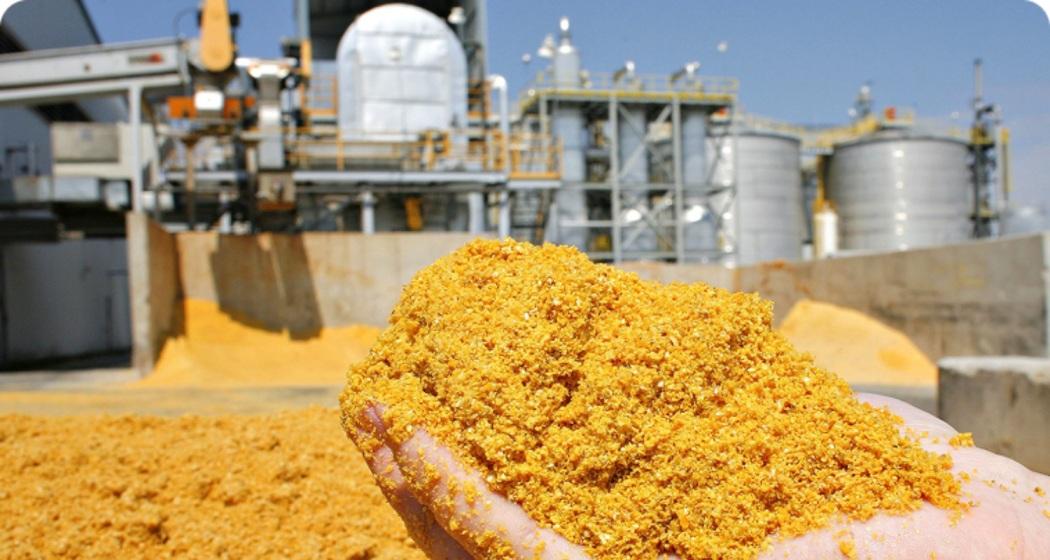
India has agreed to extend quota-based duty concessions on dried distillers’ grains (DDGS) imported from the United States under the first phase of the proposed bilateral trade agreement, with Commerce and Industry Minister Piyush Goyal saying the move will support the animal husbandry and poultry sectors while safeguarding domestic interests.
Goyal said the concession was limited in volume and designed to meet the demand of livestock and poultry producers for high-nutrition animal feed. “I’ve given them a quota in DDGS. It’s an animal feed, very high in nutrition. Animal husbandry, in fact, wants it. Poultry people are craving for it. It makes the chicken much, much healthier. Very high protein,” he said.
India and the United States have agreed on a framework for the first phase of the bilateral trade agreement, which is expected to be signed by mid-March, according to a joint statement issued earlier this month.
Also read: $500 bn US imports in 5 years ‘no problem’: Piyush Goyal
Addressing concerns raised by some experts over potential duty cuts on DDGS, the minister said the decision balances sectoral needs with broader economic considerations. “Quota on DDGS is good for the economy,” Goyal said, stressing that market access has been opened in a calibrated manner.
“Every one of them is very balanced, very well thought of and will support the India growth story and finally support Indian farmers who also want to export their products, particularly processed products to the rest of the world,” he added.
DDGS is a co-product of dry-milled ethanol production and is widely used as a protein- and energy-rich feed ingredient for livestock and poultry. According to the US Grains and Bioproducts Council, American ethanol plants have the capacity to produce over 15 billion gallons of ethanol and nearly 44 million metric tonnes of DDGS annually.
The council said global exports of DDGS have grown sharply, from around 5 million tonnes in 2009 to over 10 million tonnes shipped to 58 countries in 2022-23, with Mexico emerging as the largest importer, followed by South Korea, Vietnam, Indonesia and Canada.

 Follow us