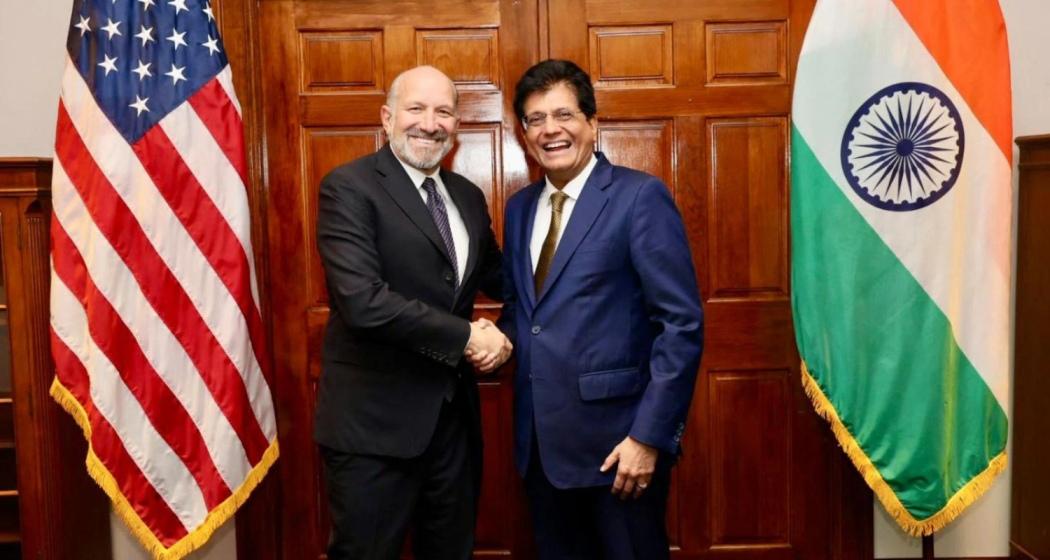
The first phase of the proposed India-US bilateral trade agreement could be finalised only after the United States completes its ongoing Section 301 investigations into trade practices of several countries, including India, an official said on Monday.
The investigations, launched by the Office of the US Trade Representative (USTR) in March, focus on issues relating to excess industrial capacity and alleged failures to eradicate forced labour in global supply chains. The outcome of these probes is expected to have a bearing on the tariff framework under which the proposed trade pact will operate.
On June 2, the USTR proposed imposing additional tariffs of 12.5 per cent on imports from 54 countries, including India, alleging that they had failed to prohibit the import of goods produced using forced labour. A separate investigation concerning excess capacity is still underway and its findings are awaited.
According to the official, the conclusion of these investigations is important because the temporary 10 per cent additional tariffs imposed by the US are set to expire on July 24. Thereafter, only Most Favoured Nation (MFN) tariff rates would apply to America's trading partners unless new measures are introduced.
“So if the US wants us to pay any additional tax, they have to finish the Section 301 process before that,” the official said.
India is seeking preferential tariff treatment under the proposed agreement and is pushing for lower duties than those applicable to competing exporters such as ASEAN member states, Bangladesh and Sri Lanka. New Delhi believes such an arrangement would improve the competitiveness of Indian exports in the US market.
Also read: India rejects third party role to resolve boundary row with Nepal
The remarks come as both countries intensify negotiations to conclude the first tranche of the trade agreement. Last week, Commerce and Industry Minister Piyush Goyal said India and the US were moving towards closing outstanding issues and could finalise the “very, very vibrant” first phase of the pact by the middle of July.
A US negotiating team visited India from June 2 to 4 for discussions with Indian officials on the proposed deal. Another high-level delegation, likely led by US Trade Representative Jamieson Greer, is expected to visit India later this month to carry forward the talks.
The United States remained India's second-largest trading partner in 2025-26. During the fiscal year, India's exports to the US rose marginally by 0.92 per cent to USD 87.3 billion, while imports grew 15.95 per cent to USD 52.9 billion. India's trade surplus with the US narrowed to USD 34.4 billion from USD 40.89 billion in the previous year.

 Follow us