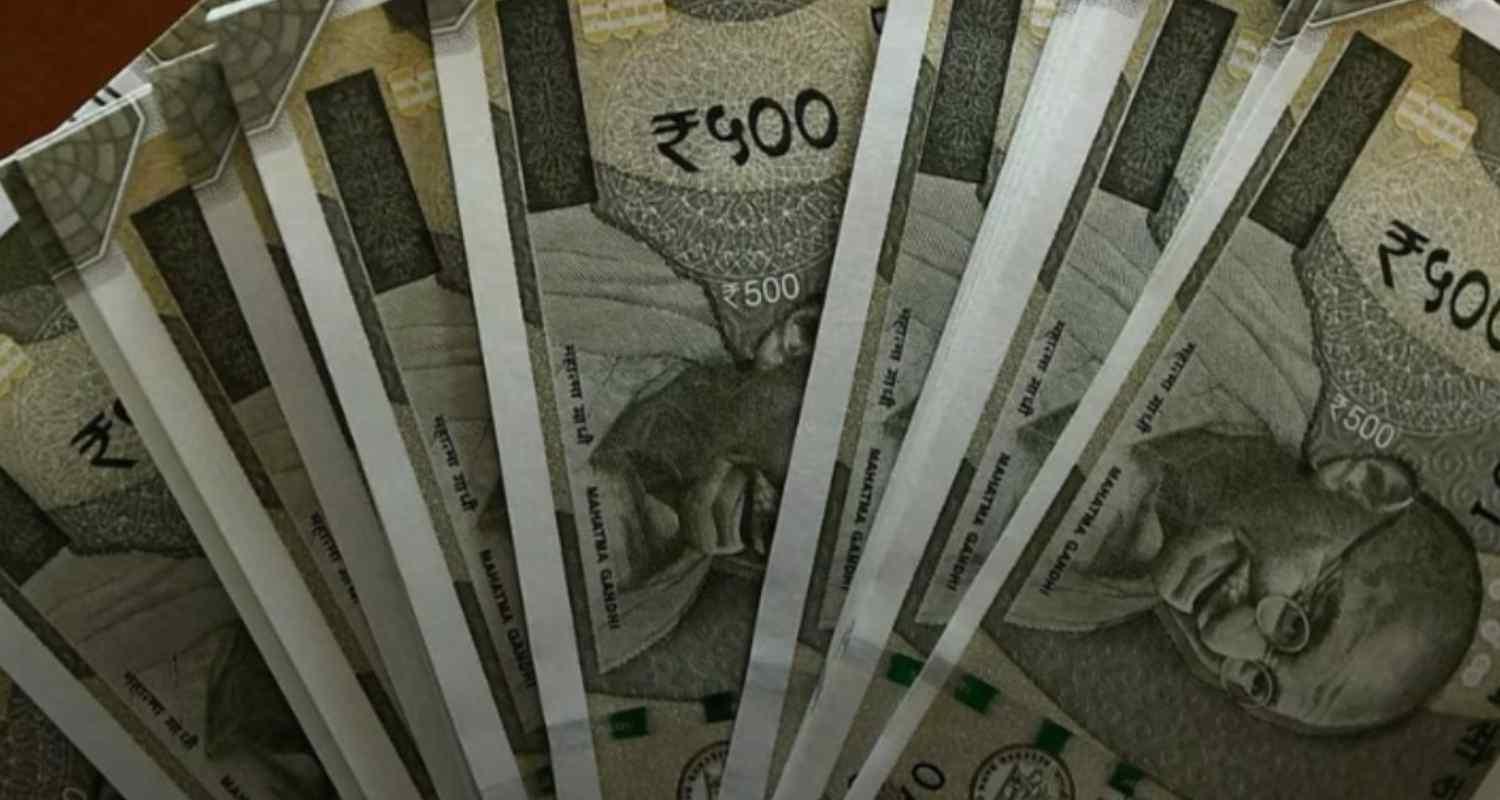
The Indian rupee has become one of the worst-performing currencies in Asia in 2026 due to rising oil prices, high inflation, and elevated import duties on gold and DAP, a report said on Sunday. The drop in the currency has been directly linked to the ongoing crisis in the Middle East, which caused supply disruptions in oil routes.
While some other countries, like Japan, South Korea, and Taiwan, had already called for austerity measures in March and April, India missed the opportunity.
Prime Minister Narendra Modi has finally called for austerity measures to support the declining forex reserves, which in turn are putting additional pressure on the rupee.
Besides, the Reserve Bank of India has already poured billions of dollars to stabilise the currency, curbed speculative trading, and offered a special credit line to oil importers to ease dollar demand.
"The whole system has been disturbed," said DilipParmar of stockbroker HDFC Securities, citing heavy foreign investor outflows, weaker growth prospects, and elevated crude prices."
That is the basic problem which you're seeing replicated in the fall of the rupee," he said, noting that it was ultimately "a function of demand and supply", with dollar demand being higher.
The depreciation in the rupee comes amid a widening current account deficit driven by high energy costs on imports.
The gap is likely to be twice the GDP compared to last year’s level, which is the widest since 2012-13 as per Bank of America Securities estimates.
Besides, foreign investors have dumped more than $20 billion in Indian stocks since the start of the conflict between Iran and the United States.
While austerity measures are on to stabilise the currency, experts believe the worst phase is yet to come. It remains to be seen whether the austerity measures yield some positive results in rupee stabilisation in the future.

 Follow us