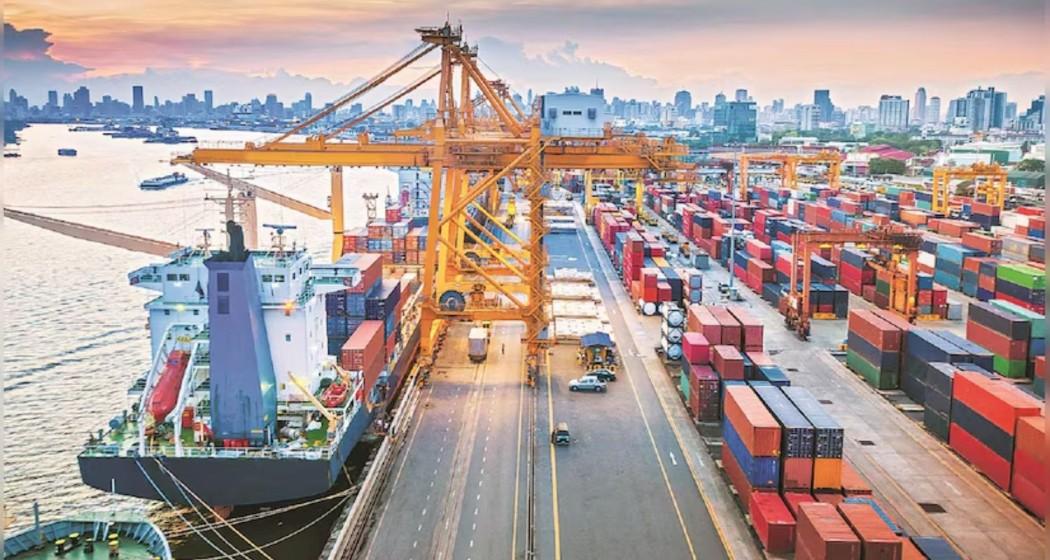
Trade items worth approximately $500 million, including dry fruits and chemicals, are reportedly entering India via intermediary nations such as the UAE, Singapore, Indonesia, and Sri Lanka, as per an official source quoted by agencies. The official noted that a significant portion of the goods previously exported directly from Pakistan to India is now being rerouted through alternative countries.
According to the report, the UAE has become a key hub for repackaging and relabelling Pakistani goods, such as fruits, dry dates, leather, and textiles, before they are sent to India. Similarly, chemicals from Pakistan are being transported through Singapore, while Indonesian territory is being used to transit products like Pakistani cement, soda ash, and textile raw materials. Sri Lanka has also emerged as a transit point for Pakistani dried fruits, salt, and leather products being delivered to India.
Given the scale of this trade diversion, with exports potentially worth $500 million reaching India via these alternative routes, the official stressed the importance of implementing a complete ban on all Pakistani exports to India—both direct and indirect. The official further emphasized the need to monitor goods entering India through manipulated origins and suggested that such a comprehensive ban would empower Indian customs authorities to prevent Pakistani goods from circumventing restrictions.
This development follows India's recent move to impose a trade ban with Pakistan in response to heightened tensions after the Pahalgam terrorist attack on April 22, which claimed 26 lives. Ajay Srivastava, Founder of the Global Trade Research Initiative (GTRI), commented that India's imports from Pakistan, which were already negligible at around $0.5 million annually, would now be reduced to zero. "The only thing people in India might miss is Himalayan pink salt (Sendha Namak), which is sourced from Pakistan's salt deposits," he said in a statement.
The situation also highlights the long-standing trade restrictions between the two countries. In the wake of the Pulwama attack in 2019, India had imposed a 200% tariff on Pakistani goods. As a result, direct trade between the two nations has plummeted, with figures for the period from April 2024 to January 2025 showing a mere $0.42 million in trade. This limited trade is primarily restricted to niche items, such as figs ($78,000), basil and rosemary herbs ($18,856), and Himalayan pink salt.
According to official records from the Indian High Commission in Islamabad, India has historically procured a variety of goods from Pakistan, including copper, edible fruits and nuts, cotton, salt, sulphur, organic chemicals, mineral fuels, plastics, wool, glassware, and raw hides. On the other hand, India's exports to Pakistan have included products such as cotton, organic chemicals, food items, animal fodder, edible vegetables, plastic articles, man-made filament, coffee, tea, spices, dyes, oil seeds, dairy products, and pharmaceuticals.

 Follow us