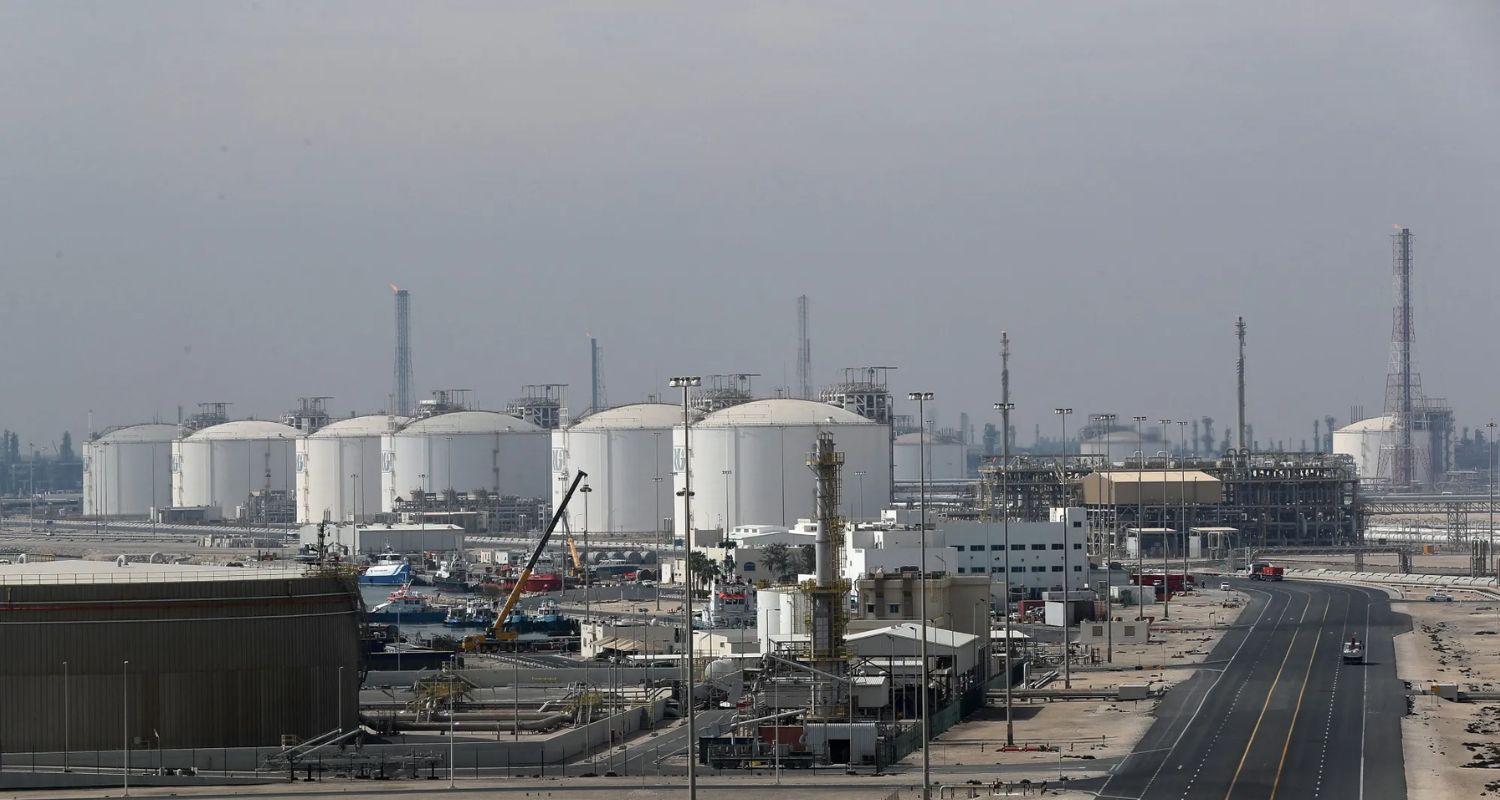
Qatar has halted liquefied natural gas (LNG) production after its facilities came under attack amid the ongoing West Asia conflict, disrupting supplies to India and squeezing feedstock availability for key domestic sectors.
India, which depends on long-term LNG contracts with Qatar for a significant share of its gas needs, has seen a temporary suspension of cargoes, leading to supply cuts up to 40 per cent for a range of industrial consumers and city gas distribution (CGD) companies.
While some industrial users can switch to alternative - though costlier - fuels, the CNG-retailing city gas sector has warned of severe stress. CGD operators said replacing contracted Qatari volumes with spot LNG priced at more than double the contracted rate could erode CNG's price advantage and result in a permanent shift of customers to electric vehicles.
Petronet LNG Ltd, India's largest LNG importer, hasn't been able to send ships to Qatar to ferry LNG as the Strait of Hormuz, a narrow shipping route through which West Asian countries, including Qatar, export most of their oil and gas, is all but closed.
Additionally, Qatar has shut down liquefied natural gas production at the world's largest export facility, which also supplied gas to India after it was targeted in an Iranian drone attack.
In a stock exchange filing, Petronet said it has sent force majeure notice to Qatari supplier, QatarEnergy for inability to send ships. QatarEnergy too has served a force majeure notice for inability to serve its buyer - Petronet LNG - due to hostilities in the region.
“In light of the recent and ongoing war in the Middle East region involving Iran and Israel, vessels are presently unable to safely transit through the Strait of Hormuz to reach Ras Laffan, the loading port of QatarEnergy,” Petronet said.
Considering the prevailing security situation and the material risks posed to maritime navigation, the company (Petronet) has issued a force majeure notice to QatarEnergy in respect of its LNG tankers, namely Disha, Raahi and Aseem. Petronet said it has, in turn, issued corresponding force majeure notices to its downstream off-takers. Qatar supplies 40 per cent of the 27 million tonnes a year of LNG that India imports annually.
The supply cuts have also been affected on city gas firms, which have written to government-owned gas utility GAIL, expressing concerns over the availability of domestic gas and LNG to meet the requirements of CNG for automobiles and piped cooking gas for households.
The Association of CGD Entities (ACE) in a March 3 letter to GAIL chairman and managing director said the reduction in supply of low-priced gas to 60 per cent and restriction of spot or current market supply to zero are likely to have a significant impact on gas availability to the sector, which may adversely affect the priority segments.
“We request clarity and confirmation regarding the sustained availability of gas to the city gas sector so that the sector can continue to serve the aspirations and objectives set by the Government of India for providing a reliable and sustained energy to smaller customer segments in the remotest corners of the country,” it said.
Stating that the association members remain committed to supplying energy to households, CNG customers, small industries and commercial consumers, it sought "continued visibility and guidance on gas supply to the CGD sector during the crisis period. “A line of confirmation about continuity of gas supply to the city gas sector during the crisis period will be helpful,” it added.
Also read: Oil price surge exposes a fragile, outdated global supply chain

 Follow us