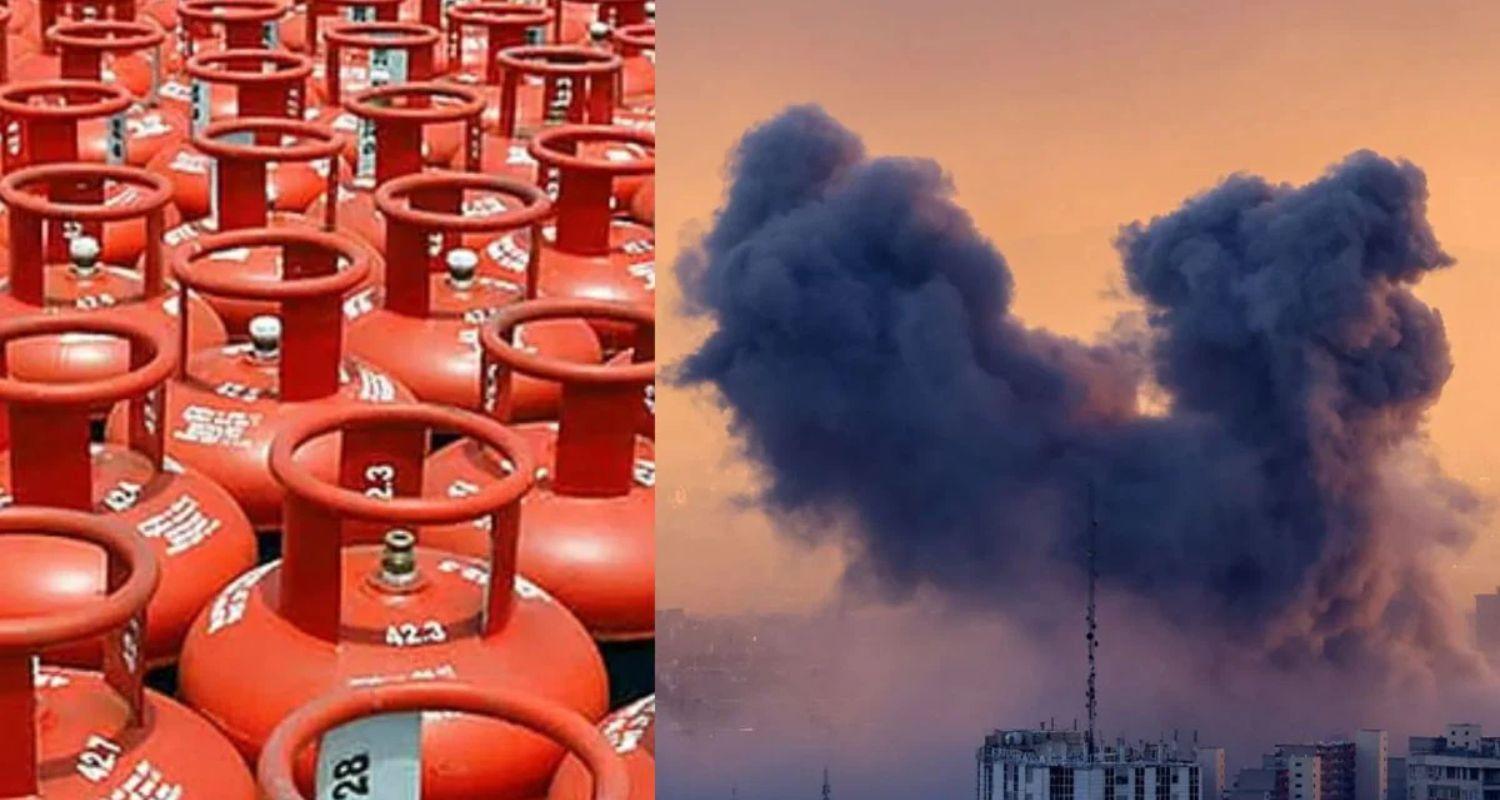
The shortage of liquefied petroleum gas (LPG) in the country could disrupt operations of quick-service restaurant chains and drive input cost inflation for consumer-facing companies as supply constraints ripple across sectors ranging from restaurants to glass and plastics manufacturing.
Brokerage Goldman Sachs, in a report, said India faces an LPG shortage, importing 60 per cent of its supply, with 90 per cent of imports transiting the geopolitically impacted Strait of Hormuz. Despite a 25 per cent increase in domestic production, supply remains constrained. The government is prioritising LPG for domestic cooking and essential sectors, like hospitals, while restricting supply to non-essential commercial enterprises, including restaurants.
Media reports indicate that LPG supply to other commercial users, including restaurants and several industries, has been restricted, potentially affecting operations across multiple sectors.
Quick-service restaurant (QSR) chains like Jubilant FoodWorks, Devyani International, Sapphire Foods India and Westlife Foodworld rely heavily on commercial LPG cylinders to run kitchen operations. “As per our channel checks, the inventory of LPG cylinders at restaurants is less than one week. Hence, if there is a shortage of commercial LPG cylinders, it would impact the ability of QSR chains to service normal levels of demand, which would lead to a temporary hit to revenues,” it said.
Reports suggest that the LPG shortage is causing some restaurants to shut down.
Gas shortages are also affecting the glass manufacturing sector. One of the players, Borosil Ltd, issued a release, stating that they are facing a shortage of gas supplies in their manufacturing facilities, leading to a curtailment in production.
“If there is a broad-based shortage of glass production, it can lead to an increase in glass prices, which is a key input cost for alcoholic beverages companies like United Spirits, where glass is 40 per cent of the input costs,” Goldman Sachs said.
Plastic price spike may hit FMCG firms
The government has directed refineries and petrochemical complexes to maximise LPG output by diverting propane, butane and propylene streams to the LPG pool. This move could tighten the supply of petrochemical feedstocks, potentially pushing up the prices of plastics. Higher plastic costs could translate into rising input costs for fast-moving consumer goods (FMCG) and paint companies that rely on crude derivatives for packaging and production inputs.
A separate report by Motilal Oswal said 90 per cent of LPG imports originate from West Asia suppliers like Qatar, Saudi Arabia, UAE and Kuwait. Industry estimates indicate that 80-85 per cent of India’s LPG imports transit through the Strait of Hormuz, making the commodity particularly exposed to disruptions in the region.
“Compared with other energy imports, LPG is the most exposed fuel in India's basket. By comparison, 50-55 per cent of LNG and 40-50 per cent of crude oil imports pass through the strait,” it said. “Unlike crude oil, India does not maintain strategic LPG reserves, which means supply disruptions tend to show up quickly in the market, particularly in the commercial segment where inventory buffers are smaller.”
A small restaurant typically consumes one-two commercial cylinders (19kg) per day, mid-size restaurants three-five cylinders, and large hotel kitchens 6-10 cylinders daily, depending on scale and operating hours. Inventory buffers across restaurants tend to be limited. Most kitchens maintain two-six days of cylinder inventory, given storage constraints and frequent delivery cycles. “As a result, any supply disruption can begin to impact operations within 48-72 hours,” the report said.
Talking of storage restrictions, the Motilal Oswal report said storage of LPG above 100kg (about five 19kg cylinders) requires licenses and compliance with additional safety requirements, making this impractical for small restaurant outlets.
Also read: No fuel shortage despite Hormuz disruption, Puri tells LS

 Follow us