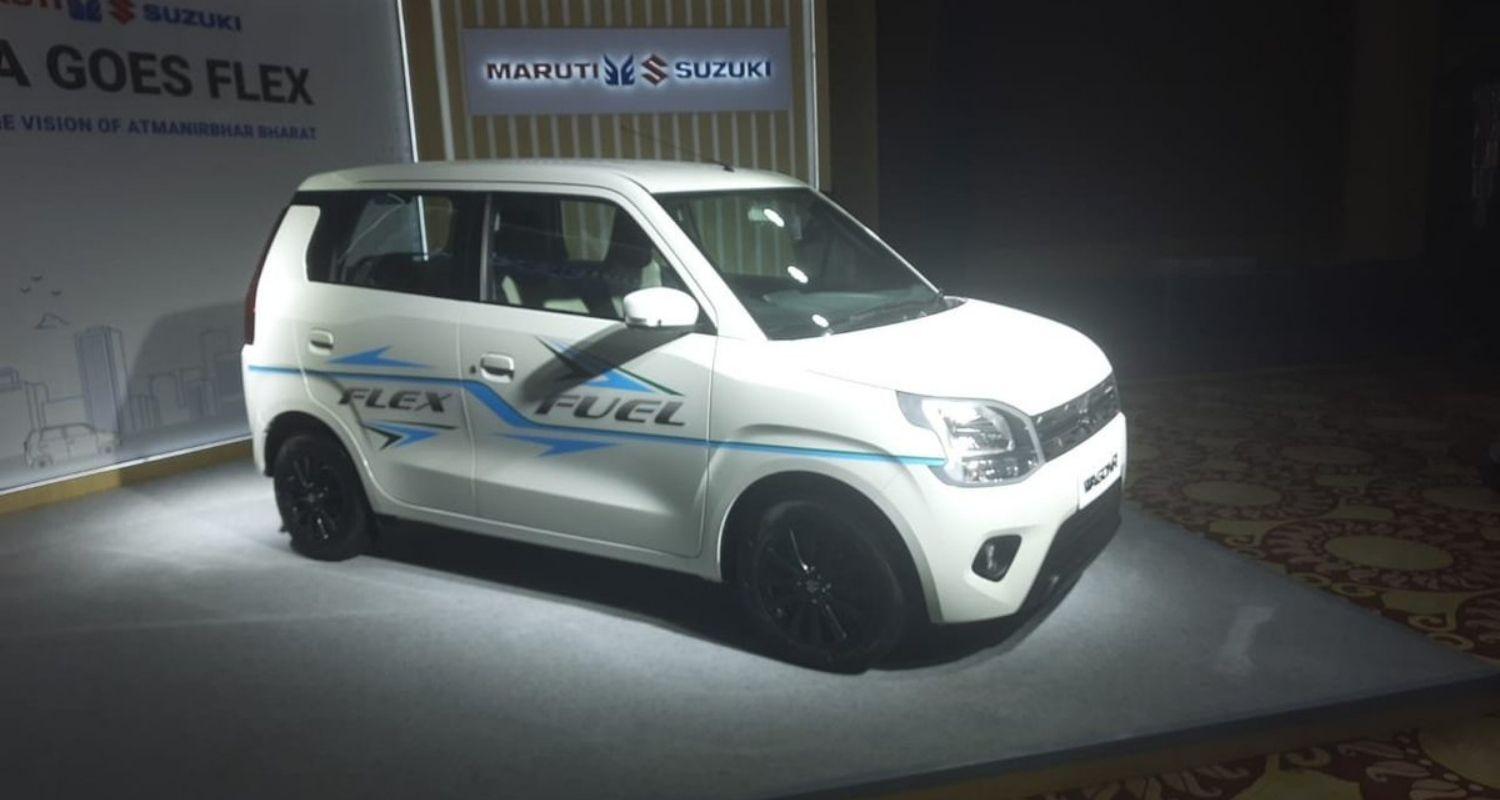
Maruti Suzuki India Ltd on Thursday unveiled India’s first flex-fuel passenger car, the Wagon R, designed specifically to operate on ethanol-blended fuel and support the country’s clean energy and sustainability goals.
A flex-fuel vehicle allows users to run the car on varying blends of petrol and ethanol, ranging from E20 to E100, offering greater flexibility and reducing dependence on conventional fossil fuels. The newly launched Wagon R is equipped with an advanced Engine Control Unit (ECU) calibration system that can automatically adapt to ethanol blends between E20, which contains 20 per cent ethanol, and E100, enabling the vehicle to run on nearly pure ethanol.
In a statement, Maruti Suzuki said the Wagon R was chosen for the introduction of flex-fuel technology because of its long-standing reputation as a pioneer in alternative fuel mobility in India, having previously offered CNG and LPG variants. The company said the launch reflects its commitment to innovation while aligning with the country's objectives of enhancing energy security, reducing emissions, and promoting sustainable transportation.
Speaking at the launch event, Union Road Transport and Highways Minister Nitin Gadkari highlighted the importance of biofuels in reducing India's reliance on imported crude oil. “India imports a large quantity of crude oil every year, and biofuels like ethanol are an important pathway towards reducing this dependence while strengthening our rural economy,” Gadkari said.
He added that widespread adoption of flex-fuel vehicles could create a stable and long-term demand for ethanol, benefiting farmers, industry stakeholders, and the environment simultaneously. The minister also expressed confidence that the move would encourage other automobile manufacturers to introduce flex-fuel models and motivate the oil industry to expand ethanol distribution infrastructure across the country.
Also read: Services sector growth hits 6-month high on new orders
Petroleum and Natural Gas Minister Hardeep Singh Puri, who was also present at the event, described India’s progress in ethanol production and usage as a major success story. “India’s ethanol journey is unstoppable. We have transformed our farmers from ‘annadatas’ to ‘urjadatas’, while strengthening the nation’s energy security,” Puri said.
According to him, flex-fuel vehicles offer multiple benefits by reducing crude oil imports, conserving foreign exchange, lowering vehicular emissions, and creating new opportunities for economic growth in rural areas. Maruti Suzuki India Managing Director and CEO Hisashi Takeuchi said the company remains committed to providing customers with a range of technologies and fuel options.
“At Maruti Suzuki, we are committed to offering vehicles powered by multiple technologies and fuels,” he said, noting that the company is investing in battery electric vehicles (BEVs), hybrids, CNG/CBG-powered vehicles, and ethanol-based flex-fuel models.
Takeuchi acknowledged that India’s ethanol fuel ecosystem is still at a relatively early stage of development but said its potential is significant. Besides helping reduce oil imports, flex-fuel vehicles can also contribute to increasing farmers’ income by creating greater demand for ethanol feedstock, he added.

 Follow us