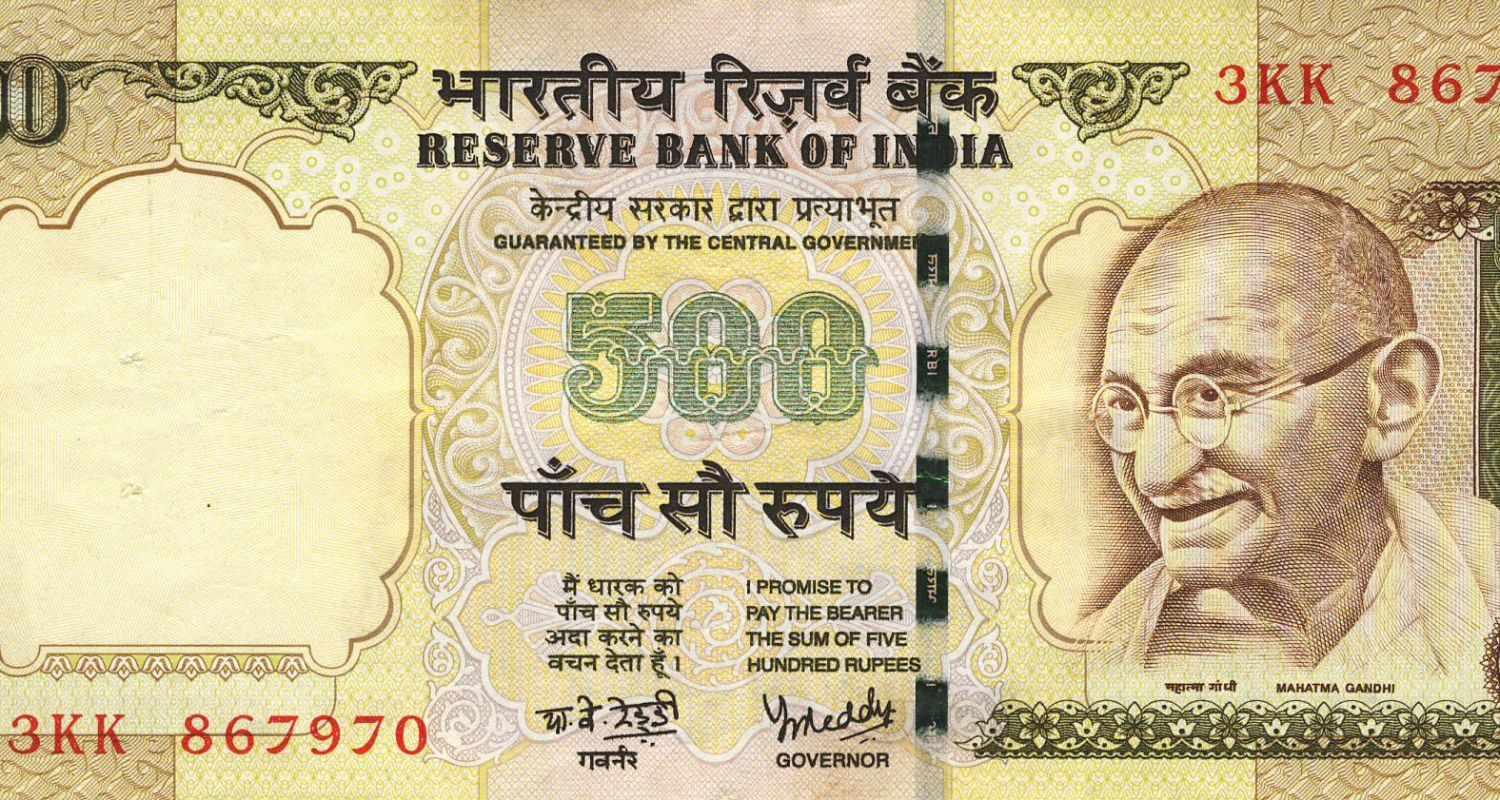
The Nepal Cabinet has permitted both Nepali and Indian citizens to carry high-denomination Indian currency of ₹200 and ₹500 to and from Nepal.
The decision effectively ends a decade-long ban, according to an official statement, and follows amendments by the Reserve Bank of India (RBI) to the Foreign Exchange Management (Export and Import of Currency) Regulations, 2015, by which Indian, Nepali and Bhutanese nationals may bring the higher denomination bank notes while travelling to and from India.
After a cabinet meeting of the Nepal government on Monday, it was announced that individuals can now hold Indian banknotes of ₹200 and ₹500 up to a maximum limit of INR 25,000 per person in the Himalayan nation.
Nepal Rastra Bank (NRB) spokesperson, Guru Prasad Paudel, said once the government decision is published in Nepal gazette, NRB will issue a circular to legalise the use of higher denomination Indian bank notes by individuals travelling to Nepal from India or from Nepal to India.
“This was our longstanding request and India responded positively,” Paudel was quoted as saying by a Nepalese daily.
Also Read: India, Nepal border talks to begin tomorrow
The move is being hailed for easing travel, since tourists as well as business people from both countries travel or carry out business with each other’s country. Many migrant workers had to bring home their earnings in low-denomination notes owing to the ban, making them more vulnerable to theft and pickpocketing during travel.
The restrictions had also hurt Nepal’s tourism sector, particularly casinos and hospitality businesses that cater to Indian visitors.
“Large numbers of Nepalis travel to India for various purposes, and the currency restrictions have created difficulties for a long time, especially for migrant workers who earn in India,” Paudel said.
A number of Nepalis have also been jailed for carrying ₹500 and ₹1,000 notes in the past, the report added.
Tourism entrepreneurs say many Indians are unaware of the currency rules, leading to frequent arrests and fines. Without the ability to carry higher-value notes, they couldn’t spend freely, leading to lower revenues in border towns.

 Follow us