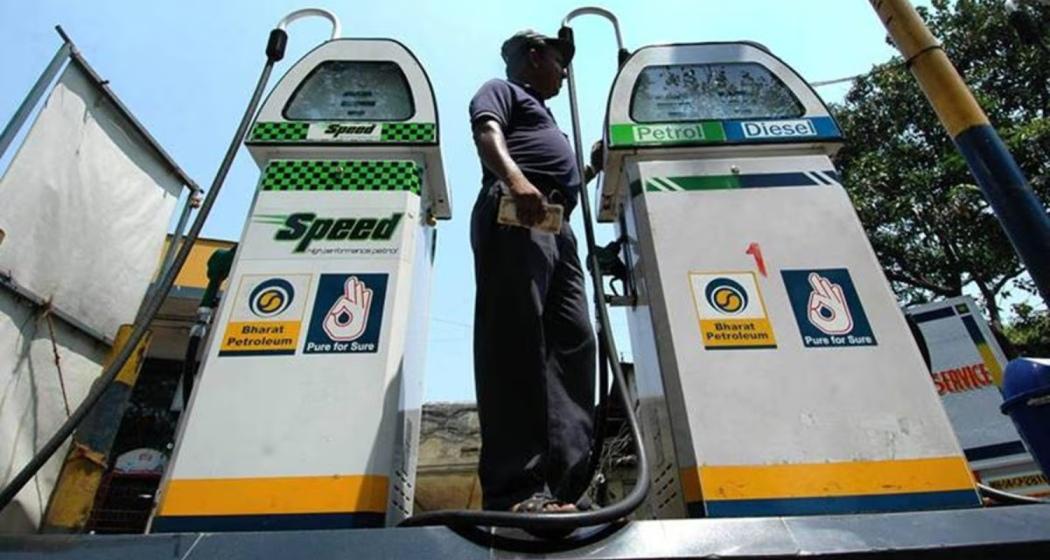
India’s state-run oil marketing companies are incurring losses of ₹1,600–1,700 crore per day, amounting to over ₹1 lakh crore in 10 weeks, to shield consumers from a global energy price surge, raising concerns over the sustainability of the current pricing regime.
Sources said the three state-owned firms: Indian Oil Corporation, Bharat Petroleum Corporation Limited and Hindustan Petroleum Corporation Limited, have been selling petrol, diesel and cooking gas LPG below cost since the outbreak of the West Asia conflict, absorbing record “under-recoveries”.
Despite a nearly 50 per cent surge in crude oil prices, retail fuel prices have remained unchanged for about two years, with petrol at ₹94.77 per litre and diesel at ₹87.67 per litre. Domestic LPG prices, though raised by ₹60 per cylinder in March, continue to be significantly below actual cost.
The under-recoveries, the gap between the cost of supply and retail selling price, have mounted sharply as companies continue to ensure uninterrupted fuel supply without passing on global price increases to consumers.
For the past 10 weeks, the oil marketing companies (OMCs) have absorbed the impact even as several countries raised fuel prices or introduced rationing measures amid supply disruptions triggered by the conflict.
Also read: Asian markets slide, crude oil jumps back to $101
However, the sustained financial burden is beginning to show. Sources indicated that OMCs may increasingly rely on borrowings to meet working capital requirements, particularly for crude oil procurement.
“If elevated crude prices persist, OMCs may require higher working capital borrowings and calibrated reprioritisation of some capex timelines,” a source said, adding that investments in refining expansion, energy security infrastructure and clean fuel initiatives would likely continue with government backing.
Another source cautioned that prolonged financial stress on OMC balance sheets could affect future investments in refining, pipelines, strategic reserves and energy transition projects, areas critical to India’s long-term energy security.
The government has partly cushioned the impact by cutting excise duties, taking a hit of about ₹14,000 crore per month. The special additional excise duty on petrol has been reduced to ₹3 per litre from ₹13, while the duty on diesel has been cut to zero from ₹10.
Still, the question of revising retail fuel prices remains open. “There is no doubt that a fuel price hike has become inevitable, but the timing and quantum of increase have to be decided by the government,” a source said.
India’s fuel pricing strategy stands in contrast to global trends, with countries such as Japan and the United Kingdom raising prices by up to 30 per cent since the onset of the crisis.

 Follow us