Pension savings, as one of the longest-term and most patient sources of capital, can play a crucial role in financing infrastructure development and
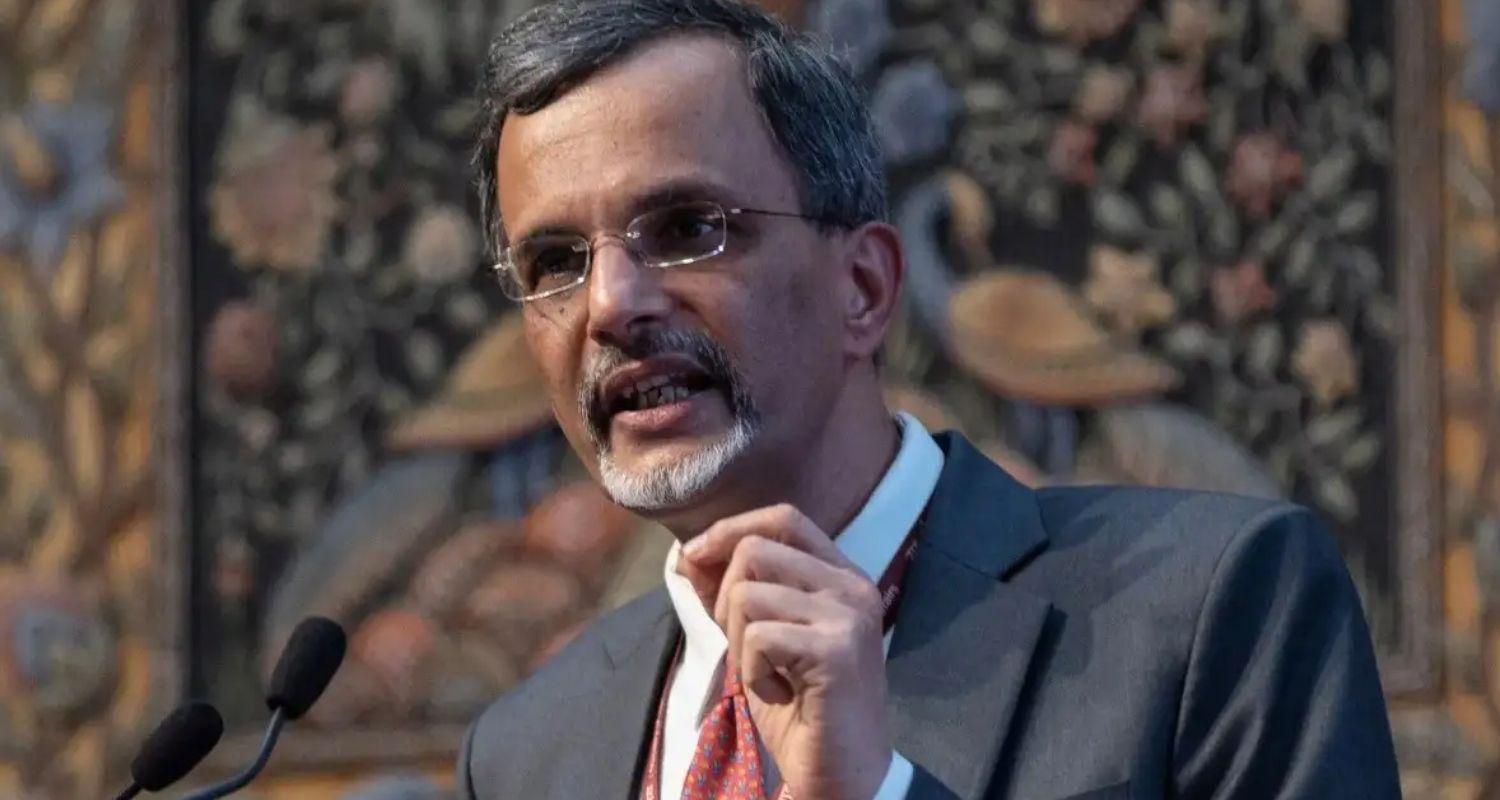
Pension savings, among the longest-term and most patient forms of capital available in the financial system, can play a transformative role in financing infrastructure development and supporting India's journey towards becoming a developed nation while generating returns that are aligned with long-term liabilities, Chief Economic Adviser (CEA) V Anantha Nageswaran said on Tuesday.
Addressing an event organised by the Pension Fund Regulatory and Development Authority (PFRDA), Nageswaran said India has an opportunity to build a deep, well-governed and resilient pension ecosystem that can simultaneously meet the retirement needs of millions of subscribers and provide a stable source of capital for long-term investments in the economy.
Also read: Coal India plans to invest ₹1,900 cr on R&D by FY30
He said a robust pension system can contribute significantly to the vision of Viksit Bharat by directing long-term household savings into productive sectors such as infrastructure, while maintaining a prudent balance between risk and returns.
Nageswaran observed that pension funds across the world have faced persistent funding challenges over the years, particularly during the prolonged era of ultra-low interest rates, when institutional investors were compelled to move into riskier asset classes in search of better returns.
"The funding gap has long plagued Western pension funds and narrowed somewhat as interest rates moved away from the zero-rate environment. However, a subtle risk has emerged," he said. According to the Chief Economic Adviser, many pension funds have increasingly allocated capital to investments that are relatively illiquid, carry higher risks and are more vulnerable to macroeconomic and financial market volatility.
He cautioned that while such investments may promise higher returns, they also expose long-term retirement savings to greater uncertainty. "Gold is the clearest example, and for a country like ours, it carries balance of payments consequences that a domestic liability fund should really tackle," he said, pointing out that excessive exposure to gold has broader macroeconomic implications for India.
Nageswaran also expressed concern over the growing dominance of short-term investment behaviour in global financial markets. He noted that even institutions traditionally regarded as long-term investors have gradually shortened their investment horizons, often prioritising near-term performance over long-term financial sustainability.
He warned that chasing higher returns at the cost of honouring pension commitments could weaken the very foundation of retirement systems, stressing that pension funds should remain focused on preserving capital and meeting long-term obligations rather than pursuing excessive risk.
Highlighting the broader significance of retirement security, Nageswaran said the true measure of a developed nation extends well beyond economic growth or the size of its gross domestic product.
Instead, he argued, a genuinely developed society is one where elderly citizens enjoy financial security, stability and dignity in their later years without anxiety over their livelihoods.
"Viksit Bharat is not just a number on a national income chart. A country can host high output and still leave its old people anxious. The truer measure of a developed society is whether security and dignity in old age are broadly shared," he said.
He added that a strong and efficiently managed pension framework would not only provide dependable retirement income to subscribers but also create a reliable pool of long-term domestic capital capable of financing India's infrastructure ambitions and supporting sustainable economic growth.
According to Nageswaran, developing such a pension ecosystem would strengthen both India's financial architecture and its social security framework, making it a key pillar in the country's long-term economic and developmental journey towards Viksit Bharat.

 Follow us