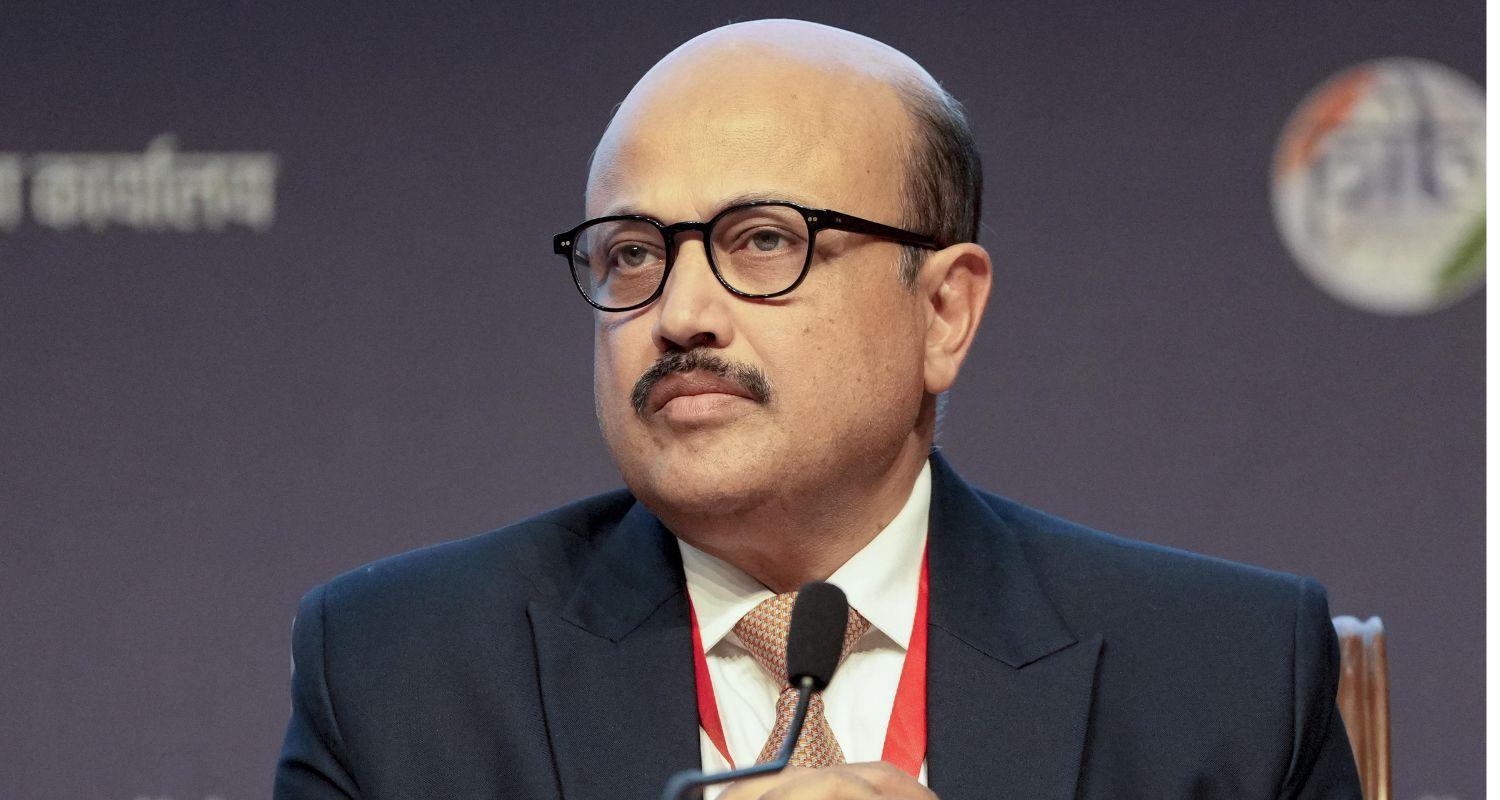
Union Commerce Secretary Rajesh Agrawal on Saturday asked the pharmaceutical industry to reduce its dependence on critical imported raw materials and diversify export supply chains to better navigate global uncertainties.
Addressing an event in Hyderabad on the sector, he said that while India exports to around 200 countries, there remains significant scope for expansion and resilience-building through a stronger market presence.
Emphasising the need to navigate an increasingly uncertain and geopolitically volatile global environment, he stressed “the importance of ensuring greater self-reliance by meeting 80-90 per cent (or higher) of domestic pharmaceutical requirements through indigenous production, while reducing critical import dependencies in APIs, bulk drugs, and intermediates”.
The commerce secretary also underscored the need for a strategic repositioning of India as a global hub for both quality and cost-effective pharmaceuticals, stating that quality will remain the decisive factor in healthcare. He called for the development of a robust quality ecosystem to enhance global trust, while also aligning with emerging industry trends such as biologics and biosimilars.
Highlighting the need to transition from a volume-driven to a value-driven industry, he encouraged a greater focus on innovation, including participation in developing new patents, alongside continued strength in generics. He also emphasised the “importance of insulating import supply chains in a geopolitically fragmented world, where availability may be important”.
India remains the third-largest producer of pharmaceuticals globally by volume and 14th by value. The sector’s exports reached USD 30.47 billion in 2024-25, marking 9.4 per cent growth over the previous year. During April-February 2025-26, pharma exports stood at USD 28.29 billion, up over 5 per cent compared with the corresponding period of the previous year.
Also read: ‘Indian pharma sector will grow to $130 bn by 2030’

 Follow us