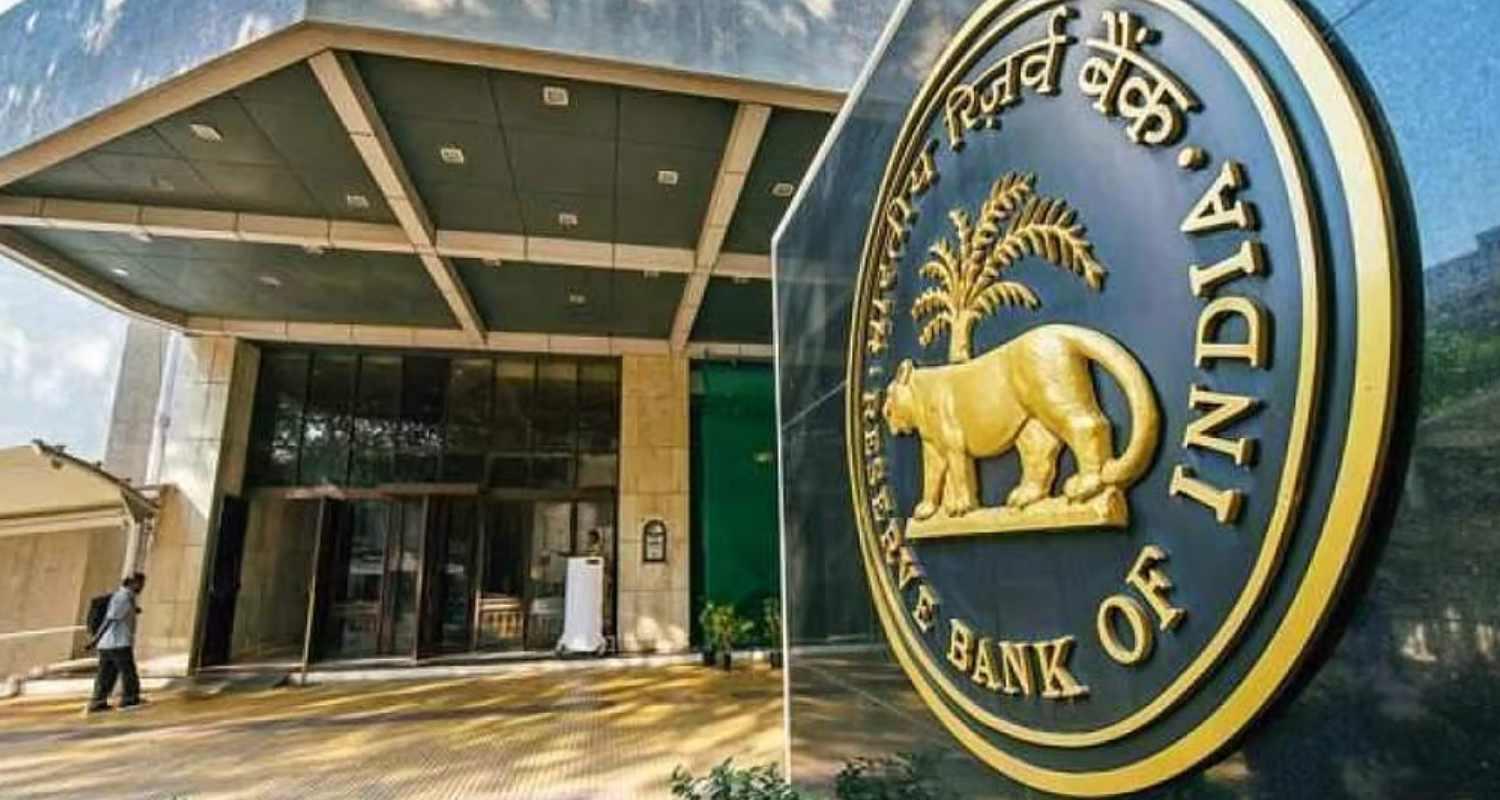
The Reserve Bank of India kept its key policy rate unchanged on Wednesday, adopting a cautious wait-and-watch stance as policymakers assessed the fallout from the six-week Iran conflict on energy supplies, inflation and growth.
The central bank's six-member monetary policy committee voted unanimously to keep the benchmark repurchase rate at 5.25 per cent, flagging heightened uncertainty after the West Asia conflict drove crude prices sharply higher, weakened the rupee and disrupted trade flows. RBI's policy stance was retained at neutral.
Stating that geopolitical uncertainties had increased since the last policy meeting, RBI Governor Sanjay Malhotra said the rate-setting panel chose to “wait and watch”. While inflation remains within the target band for now, risks have risen due to volatile oil markets and the possibility of “second-round effects”, which could weigh on demand and delay investment recovery.
The central bank trimmed its growth outlook and warned that the full economic impact of the conflict, particularly through energy costs, will only become clearer in the coming months, reinforcing the case for holding rates steady rather than pre-emptively tightening or easing policy.
RBI projects 6.9 pc GDP growth
The RBI projected GDP growth of 6.9 per cent in the current financial year, a drop from an expected 7.6 per cent in the year ended March 31, 2026. Inflation is projected at 4.6 per cent for 2026-27, which is within the RBI's 2 per cent to 6 per cent target range. For the first 11 months of 2025-26, for which data is available, average inflation was at 1.95 per cent.
The central bank also, for the first time, offered a forecast for core inflation, which it sees at 4.4 per cent in the current financial year. The RBI estimates compare with more than 7 per cent GDP growth projected in government estimates released in February, while inflation was expected to remain close to the target of 4 per cent.
The central bank had reduced interest rates by a cumulative 125 basis points since February last year, including a quarter-point cut in December.
“Growth impulses continue to be supported by robust private consumption and investment demand. However, the West Asia conflict is likely to impede growth,” Malhotra said, announcing the monetary policy committee (MPC) decisions.
“Higher input costs associated with an increase in energy prices and international freight and insurance costs, along with supply-chain disruptions that would constrain availability of key inputs for downstream sectors, would impair growth,” he said.
The MPC opined that the intensity and the duration of the conflict and the resultant damage to the energy and other infrastructure add risk to the inflation and growth outlooks. “The economy is confronted with a supply shock. It is prudent to wait and watch the changing circumstances and the evolving growth-inflation outlook,” said Malhotra.

 Follow us