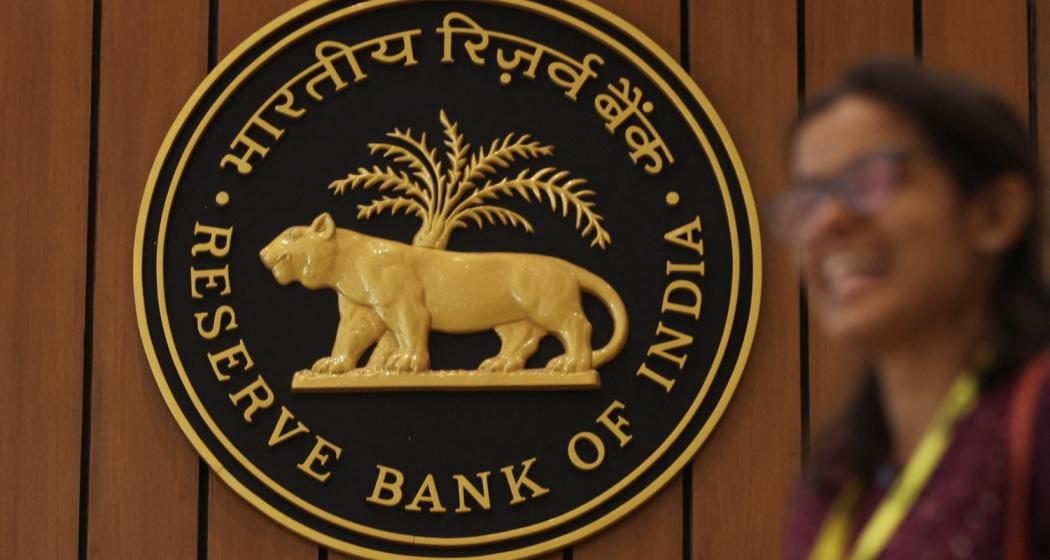
The Reserve Bank of India (RBI) is planning to simplify cross-border payment approvals and reduce regulatory friction for businesses and exporters as part of its Payments Vision 2028, according to a report that identifies global payments as a key strategic priority for India’s next phase of digital financial growth.
In its report titled Payments Vision 2028: Preparing to Shape India’s Payment Frontier, the RBI is shifting focus beyond expanding domestic digital payment adoption to improving efficiency in international transactions and strengthening India’s position in the global payments ecosystem.
The report stated that cross-border payments have emerged as a strategic priority, with proposals under consideration for simplifying authorisations, potentially through a single-window mechanism, along with a comprehensive review of the ecosystem.
According to the report, the RBI plans to conduct a detailed assessment of the cross-border payments framework to eliminate regulatory and operational bottlenecks, particularly those affecting businesses engaged in international trade and MSME exporters.
“The approach for 2028 is highly structured and efficiency-driven. The RBI plans a comprehensive review of the cross-border ecosystem to remove regulatory and operational frictions, specifically to aid MSME exporters,” the report mentioned.
One of the key proposals highlighted in the report is the possible introduction of a single-window application system for cross-border payment authorisations under both the Payment and Settlement Systems (PSS) Act and the Foreign Exchange Management Act (FEMA). This is aimed at improving ease of doing business and reducing compliance delays.
Also read: SpaceX aiming for largest IPO in history on June 12
EY noted that this marks an evolution from the previous payments vision, which focused largely on the international expansion of domestic payment systems such as UPI, RuPay, NEFT and RTGS.
The latest framework, however, places greater emphasis on improving transparency, efficiency and outcomes for exporters, MSMEs and other businesses engaged in global trade.
Beyond cross-border payments, Payments Vision 2028 also focuses on strengthening fraud prevention, user protection, interoperability and data-driven oversight. The report highlighted the RBI’s growing use of artificial intelligence and advanced analytics to enhance risk monitoring, fraud detection and policymaking.
“A key focus is the shift toward AI-led and data-driven oversight, including AI-queriable payments databases, to improve risk monitoring, fraud detection and policymaking,” the report stated.
It added that the broader goal of the initiative is to position India not only as a global leader in digital payment volumes but also in payment system design, standards and innovation.

 Follow us