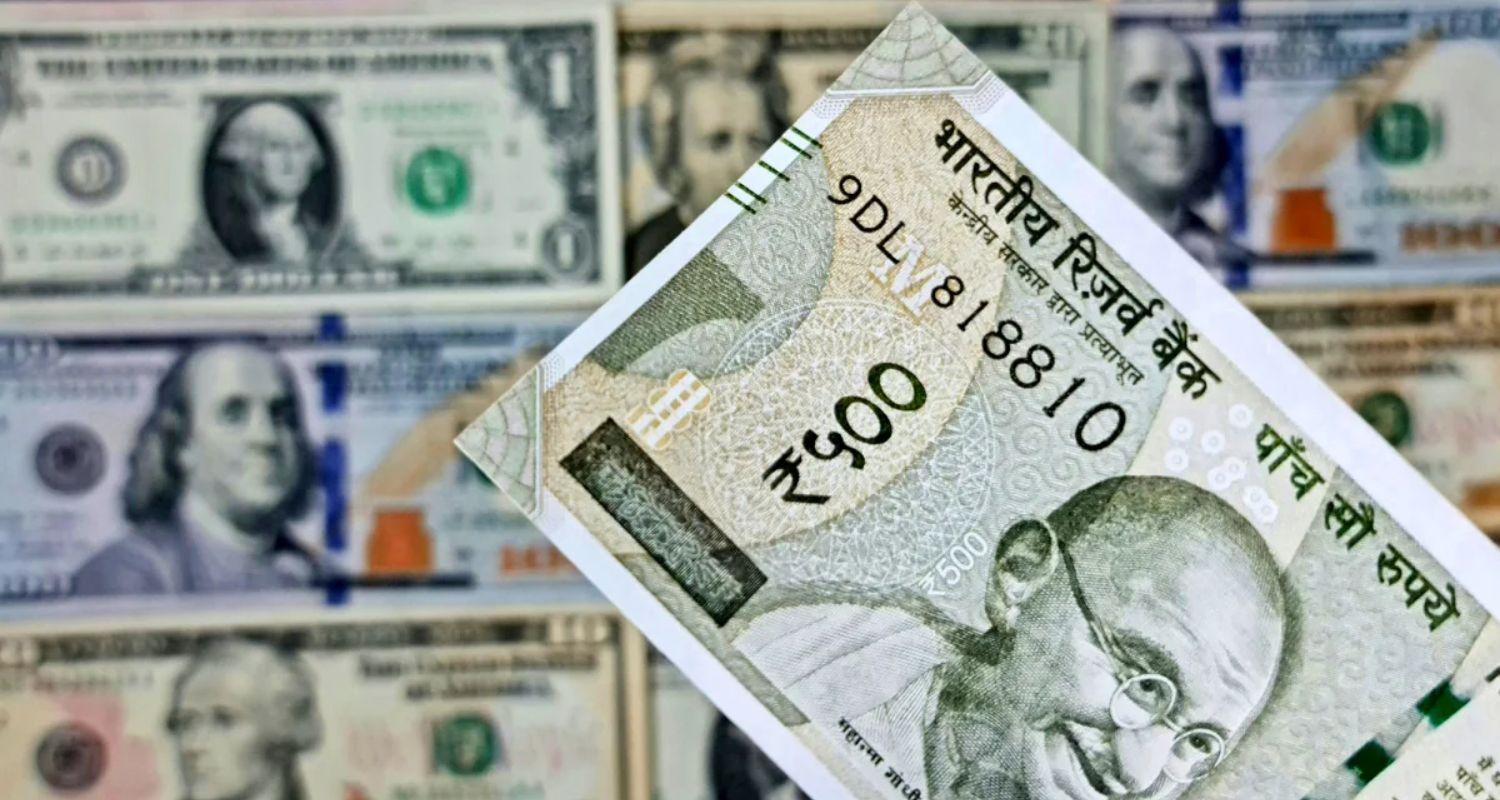
The Indian rupee took a battering on Wednesday morning, crashing past the 92 mark against the US dollar as the intensifying conflict in the Middle East sent shockwaves through global financial centres. At 10:40 am today, the currency was stuck at 92.17—a sharp fall owing to a potent mix of geopolitical fears and a sharp hike in crude oil prices.
The major cause for the fall of the rupee can be traced to the growing tensions between the US, Israel, and Iran. This has resulted in a classic "flight to safety" with investors turning their attention to the US dollar. As risk aversion takes hold, the greenback has strengthened almost universally, leaving currencies like the rupee vulnerable to heavy capital outflows.
For New Delhi, the most immediate headache is the cost of energy. With the Middle East serving as the world’s primary petrol station, fears of a total supply shutdown have sent oil prices soaring. Given that India is forced to import nearly 85% of its crude requirements, any sustained price hike hits the economy where it hurts most. A ballooning import bill not only widens the trade deficit but also threatens to import inflation, putting further downward pressure on the currency and stalling broader economic growth.
The carnage isn't limited to the currency markets; equity desks across Asia followed Wall Street’s lead into the red as traders scrambled to reduce their exposure to riskier assets. Market analysts are now warning that the rupee’s trajectory for the rest of the week depends entirely on whether the situation in the Gulf de-escalates or spirals into a prolonged regional war. Until the volatility in the oil markets subsides, the rupee is likely to remain on the back foot.
Also read: Mojtaba succeeds Ayatollah Khamenei: Report

 Follow us