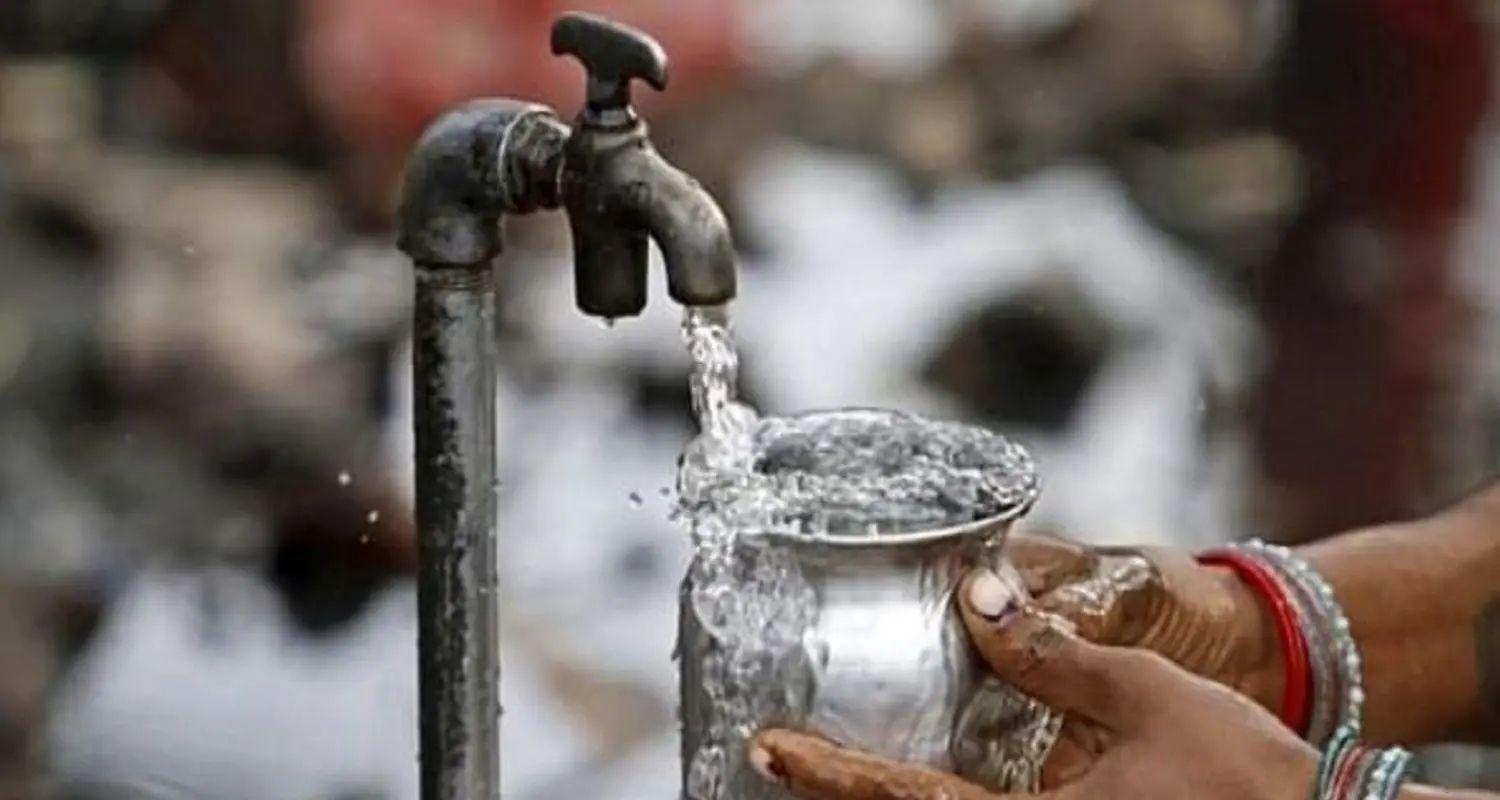
Rural household tap water coverage under the Jal Jeevan Mission 2.0 (JJM) has crossed the 82 per cent mark across the country, with more than 15.89 crore rural households now receiving tap water supply, the Centre informed Parliament on Thursday.
Replying to a question in the Lok Sabha, Union Jal Shakti Minister C R Patil said the government has significantly expanded both the scope and financial outlay of the flagship rural drinking water programme. The total allocation for the mission has been increased from Rs 3.60 lakh crore to Rs 8.69 lakh crore, while the programme has also been extended until December 2028 under the revamped Jal Jeevan Mission 2.0.
The minister said the restructured mission aims not only to achieve universal access to safe drinking water but also to strengthen the long-term sustainability of rural water supply systems through structural reforms, improved monitoring, source conservation and greater community participation.
Providing an update on the programme's progress, Patil said that as of July 18, 2026, 15.89 crore rural households out of a total of 19.36 crore across the country have Functional Household Tap Connections (FHTCs), taking the overall rural tap water coverage to 82.09 per cent.
"As on 18.07.2026, out of 19.36 crore rural households in the country, 15.89 crore (82.09 per cent) rural households have tap water supply in their homes," the minister told the House.
He highlighted the remarkable progress made since the launch of the Jal Jeevan Mission in August 2019. At that time, only 3.23 crore rural households, representing just 16.71 per cent of the total, had access to tap water connections.
According to the minister, the mission has enabled an additional 12.66 crore rural households to receive Functional Household Tap Connections over the past seven years, making it one of the largest rural infrastructure and public health initiatives undertaken in the country.
Patil said the Centre has substantially increased financial support for the programme to accelerate implementation and ensure that the remaining uncovered households are provided with safe and reliable drinking water.
The total financial outlay of the mission has now been enhanced to Rs 8.69 lakh crore. Of this, the Centre's share has increased from Rs 2.08 lakh crore to Rs 3.59 lakh crore, including an additional central allocation of Rs 1.51 lakh crore under Jal Jeevan Mission 2.0.
The minister said the second phase of the programme places greater emphasis on improving the quality and sustainability of rural drinking water infrastructure rather than focusing solely on expanding connections.
He noted that JJM 2.0 will prioritise water quality monitoring, protection and sustainability of water sources, efficient operation and maintenance of supply systems, and active participation of village communities in managing drinking water infrastructure.
To assess the effectiveness of the programme, the government commissioned an independent Functionality Assessment in 2024. According to the findings cited by the minister, the results indicated high levels of access and service delivery across surveyed households.
The assessment found that 98.1 per cent of surveyed households had tap water connections, while 87 per cent reported receiving water during the previous week. Furthermore, 76 per cent of household tap connections were found to be fully functional after evaluating key service parameters such as adequacy of water quantity, water quality and regularity of supply. Patil said these findings demonstrate that the mission is not only expanding access but also improving the reliability and quality of rural drinking water services.
To strengthen transparency, accountability and implementation, the government has introduced several technology-driven monitoring mechanisms under the mission. These include geo-tagging of water supply assets, third-party inspections, Aadhaar-linked beneficiary monitoring, online financial management systems, real-time village and district dashboards, and digital reporting platforms.
Also read: Brent oil nears USD 100
In addition, pilot projects using sensor-based Internet of Things (IoT) technology have been launched to enable real-time monitoring of rural water supply systems, helping authorities track water flow, service quality and operational efficiency more effectively.
The minister said these digital tools are expected to improve maintenance, minimise disruptions in water supply and enhance overall governance of the programme. Patil reiterated that Jal Jeevan Mission 2.0 will continue to focus on achieving universal rural tap water coverage while ensuring that newly created infrastructure remains sustainable over the long term. He said the government's strategy combines infrastructure development with water source conservation, quality surveillance and community ownership to provide every rural household with safe, adequate and reliable drinking water.
The Jal Jeevan Mission, launched in August 2019, remains one of the Centre's flagship programmes aimed at improving rural quality of life, reducing the burden of water collection on households—particularly women and children—and strengthening public health outcomes through access to safe drinking water.

 Follow us