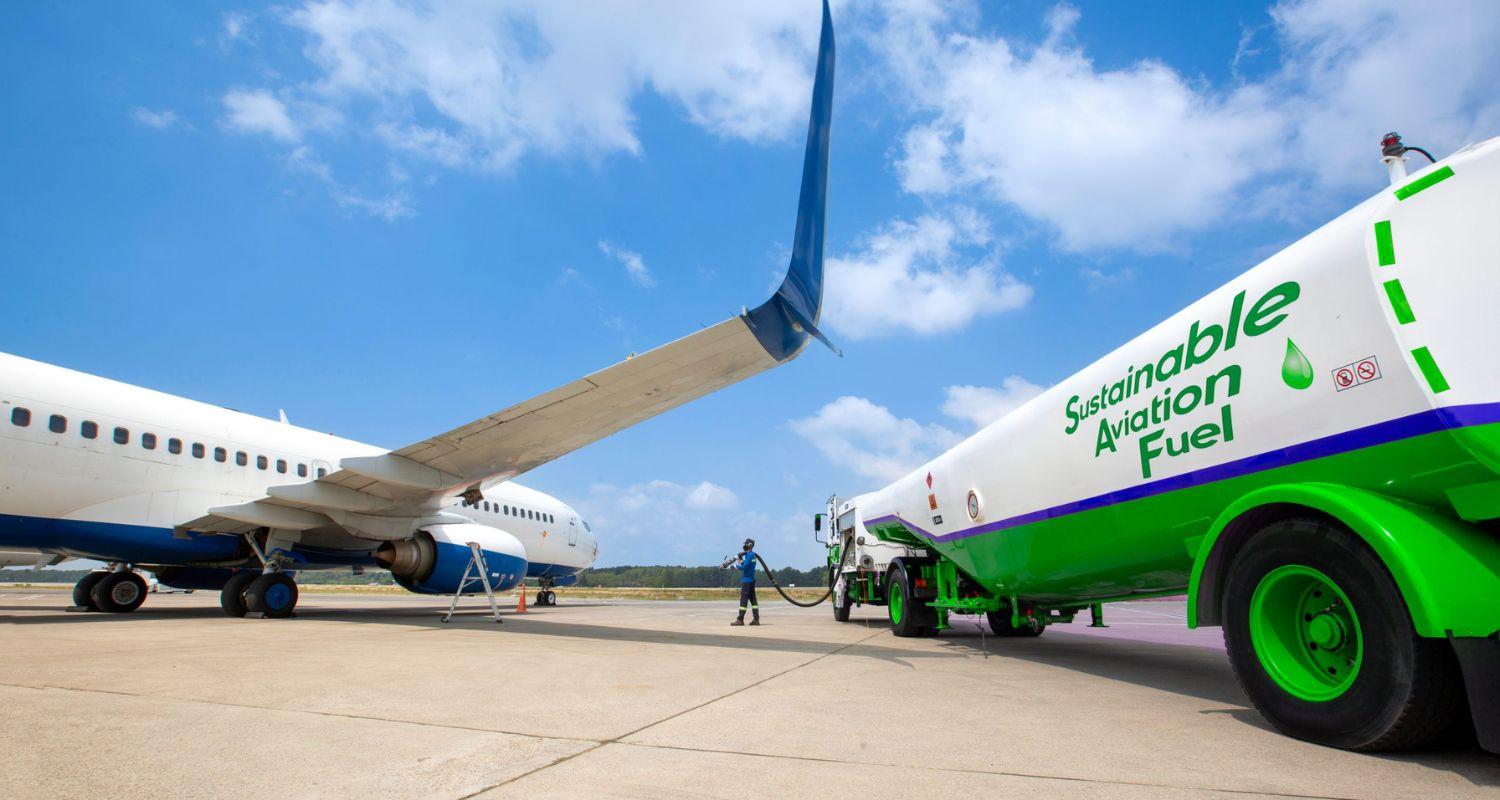
The second Sustainable Aviation Fuel (SAF) conclave, scheduled to be held in New Delhi from September 28, will focus on strengthening India's SAF ecosystem, building large-scale international production capacity and supporting the aviation industry's long-term goal of achieving net-zero carbon emissions by 2050, according to an official release.
The conclave is expected to bring together leading Indian and international airlines, airports, energy companies, technology developers, investors and financial institutions. The gathering will provide a platform for stakeholders to discuss the development and deployment of SAF, while also exploring opportunities for investment, technology partnerships, project development and access to international markets.
Discussions at the event are expected to cover large-scale international SAF capacity-building initiatives, technical programmes and the broader roadmap for achieving the International Air Transport Association's (IATA) target of net-zero carbon emissions by 2050.
The aviation industry faces a significant challenge in reducing emissions because of the difficulty of replacing conventional jet fuel at scale. SAF is regarded as one of the key solutions for reducing aviation's carbon footprint, particularly for long-haul flights where alternative technologies such as battery-powered aircraft remain difficult to deploy.
For India, the development of a strong SAF ecosystem could also create opportunities across the energy, agriculture, technology and manufacturing sectors. Developing domestic production capacity would require collaboration between fuel producers, airlines, airports, technology providers, investors and policymakers.
Rohit Kumar, Secretary General of the SAF Association and CMAI, said India has the potential to emerge as a global SAF hub, but achieving that objective would require cooperation across the entire ecosystem rather than relying only on mandates.
“India has the opportunity to become a global SAF hub, but this will require an ecosystem - not just a mandate. At SAF Association, our focus is to bring government, industry, technology, finance and global partners together to turn India's SAF ambition into projects, investment and production. The India SAF Conclave is a key platform in that journey,” Kumar said.
The SAF Association is organising the conclave, which is expected to serve as a meeting point for stakeholders seeking to accelerate commercial SAF projects in India and establish stronger links with international markets.
A key focus will be on capacity building, including the development of technical expertise and infrastructure needed to support SAF production and distribution at scale. The participation of technology developers and financial institutions is expected to help address some of the challenges associated with project development, funding and the adoption of new production technologies.
Also read: India's capital inflows may jump to USD 120 billion in FY27
The event will also provide opportunities for project matchmaking, allowing potential investors, technology providers and industry participants to identify areas for collaboration. Greater international participation could help Indian SAF producers gain access to technology, expertise and global markets.
The conclave comes as airlines and governments worldwide seek to reduce aviation-related emissions and accelerate the transition towards cleaner fuels. SAF can be produced from a range of sustainable feedstocks and technologies, potentially reducing lifecycle greenhouse gas emissions compared with conventional aviation fuel.
For India, developing the sector could also strengthen energy security by diversifying aviation fuel sources and creating a domestic industry around alternative fuels.
The September 28 conclave is therefore expected to focus not only on policy and targets but also on converting India's SAF ambitions into commercially viable projects. Bringing together government, industry, finance and technology stakeholders could help create the partnerships and investment required to expand production capacity and support India's contribution to the global aviation industry's net-zero ambitions.

 Follow us