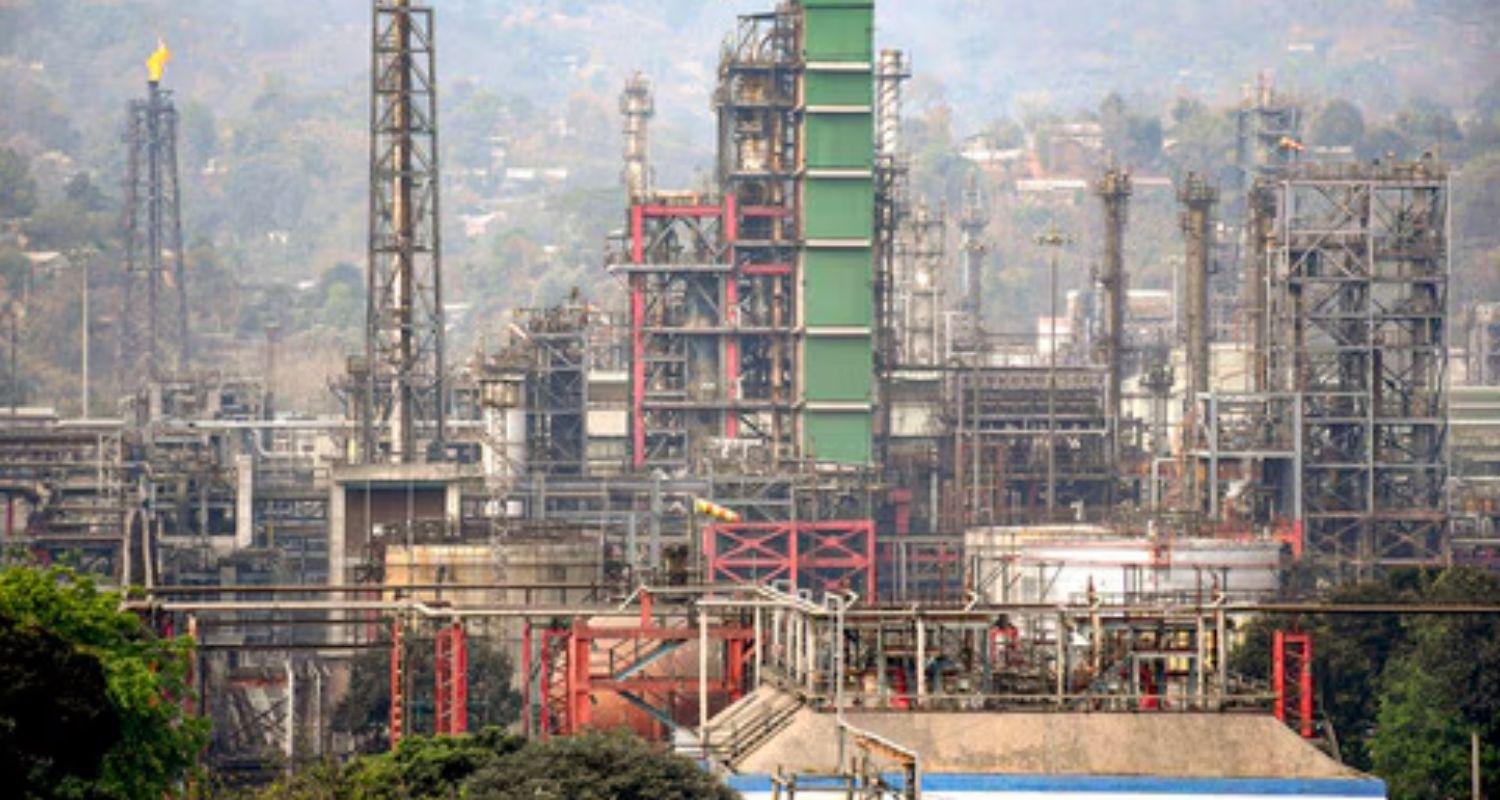
India's state-run oil marketing companies (OMCs) have repeatedly demonstrated their strategic importance during national emergencies, ensuring uninterrupted fuel supplies even in the face of natural disasters, pandemics and global geopolitical crises. While public sector oil firms have often been criticised for government intervention in fuel pricing, modest financial returns and operational inefficiencies, successive crises have reinforced their role as a vital pillar of the country's energy security.
For years, governments have explored privatising Bharat Petroleum Corporation Ltd (BPCL) and Hindustan Petroleum Corporation Ltd (HPCL). Disinvestment efforts gained momentum in 2002 before being halted by a Supreme Court ruling, and were revived in 2020 but eventually shelved after failing to attract sufficient investor interest. Analysts say these experiences underscore the difficult balance between commercial objectives and the strategic responsibilities these companies perform.
Their importance became evident during the devastating Chennai floods in 2015, when Indian Oil Corporation (IOC), BPCL and HPCL rerouted fuel supplies, restored flooded depots and ensured that emergency services continued to receive petroleum products despite widespread infrastructure disruptions.
The COVID-19 pandemic further highlighted their critical role. Throughout nationwide lockdowns, state-run OMCs kept fuel stations operational, maintained refinery production with skeletal staff and ensured uninterrupted delivery of LPG cylinders to millions of households. Aviation turbine fuel supplies for relief and medical flights also continued without disruption. Engineers stayed inside refinery complexes for extended periods to sustain operations, while tanker drivers and LPG delivery personnel worked through lockdown restrictions and containment zones.
More recently, tensions in West Asia and disruptions to crude oil trade through the Strait of Hormuz once again tested India's energy preparedness. State-owned refiners swiftly diversified crude procurement, adjusted refinery operations based on available feedstock, increased LPG production by diverting refinery streams away from petrochemicals and coordinated nationwide fuel distribution to prevent shortages.
Industry officials said these measures ensured that India avoided fuel rationing despite heightened global uncertainty, unlike several countries that experienced supply disruptions.
Also read: As GST turns 10, focus shifts to AI-led compliance
The companies also relied on strategic petroleum reserves and commercial inventories while working closely with the government to reassure markets about adequate fuel availability across the country.
Perhaps more significantly, IOC, BPCL and HPCL absorbed much of the sharp rise in international crude prices instead of immediately passing the burden on to consumers. For more than two months, they held retail prices steady despite a surge of over 50 per cent in global oil prices. When revisions eventually became necessary, petrol and diesel prices were increased by Rs 7.50 per litre, LPG cylinder prices by Rs 89 and CNG by Rs 6 per kg—substantially lower than price hikes witnessed in several major economies.
This strategy, however, came at a considerable financial cost. According to Crisil Ratings, the three public sector retailers are estimated to have incurred net under-recoveries of Rs 40,000-45,000 crore between March and May, after accounting for inventory gains. The losses are nearly equivalent to their combined annual profits. They are also awaiting government compensation for losses incurred on subsidised LPG sales during 2025-26.
Private fuel retailers, including Nayara Energy and Shell, responded differently by increasing pump prices more rapidly to reflect higher international costs.
Industry officials argue that if BPCL or HPCL had been privatised under earlier disinvestment plans, private owners would have had little incentive to absorb prolonged losses or sell fuel below market prices during national emergencies.
Today, IOC, BPCL and HPCL collectively account for nearly 90 per cent of India's fuel retail network, operate a majority of the country's refining capacity and manage an extensive pipeline network that reaches even remote regions where private investment remains limited.
With India importing more than 88 per cent of its crude oil requirements and geopolitical uncertainties becoming increasingly frequent, policymakers continue to view public sector oil companies as strategic national assets. While state ownership may sometimes limit commercial profitability, it provides the government with a nationwide energy network capable of responding quickly during crises.
Analysts say that although debates over privatisation may continue, the strategic value of India's public sector oil companies becomes most evident whenever the country's energy security comes under pressure.

 Follow us