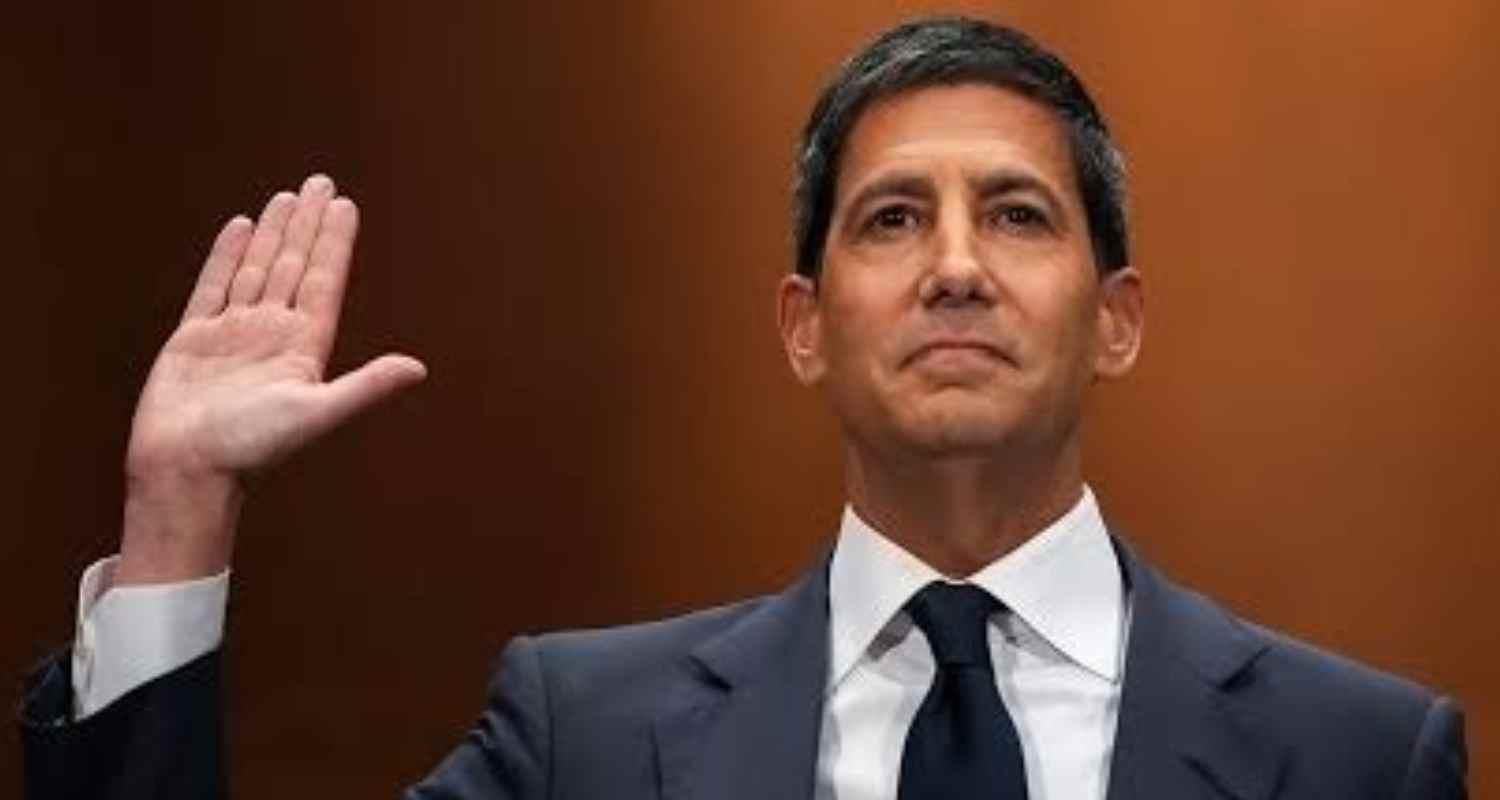
Ahead of the second meeting under new chairman Kevin Warsh, likely to be held on Tuesday, the Federal Reserve is set to retain the existing rates despite an inflation surge triggered by oil shortages and the US-Iran conflict. Warsh, a Trump-appointed Federal Reserve chairman, was brought in to lower borrowing costs. However, the second closed-door session before the Federal Open Market Committee will announce its decision on Wednesday afternoon, followed by a press conference.
A majority of investors expect rates to remain at 3.50–3.75 per cent for a fifth consecutive meeting. While consumer inflation has come down slightly, rates still remain on the higher side, putting an additional burden on the US population.
Escalating hostilities in the Middle East, including US strikes on Iran and retaliatory action against Washington’s allies, alongside threats from Yemen’s Houthi rebels to blockade the Red Sea, have pushed oil prices above $100 a barrel for the first time since May.
Some investors and policymakers have expressed frustration over the continuity of the ongoing higher inflation rates in the country and expect that a rate rise could be on the horizon. Warsh himself has offered little detail on his approach, favouring reduced forward guidance despite criticism that this fuels market uncertainty.
The labour market has largely stabilised, keeping the Fed’s focus on price stability. Economists note that with Warsh remaining largely quiet, other officials have voiced concern about inflationary risks, driven not only by war-related fuel costs but also surging AI-related demand and lingering effects of Trump’s tariffs.
Although a rate hike is not expected at this particular meeting, analysts anticipate dissent among committee members, with some predicting further hikes later in the year as hawkish sentiment within the Fed strengthens.

 Follow us