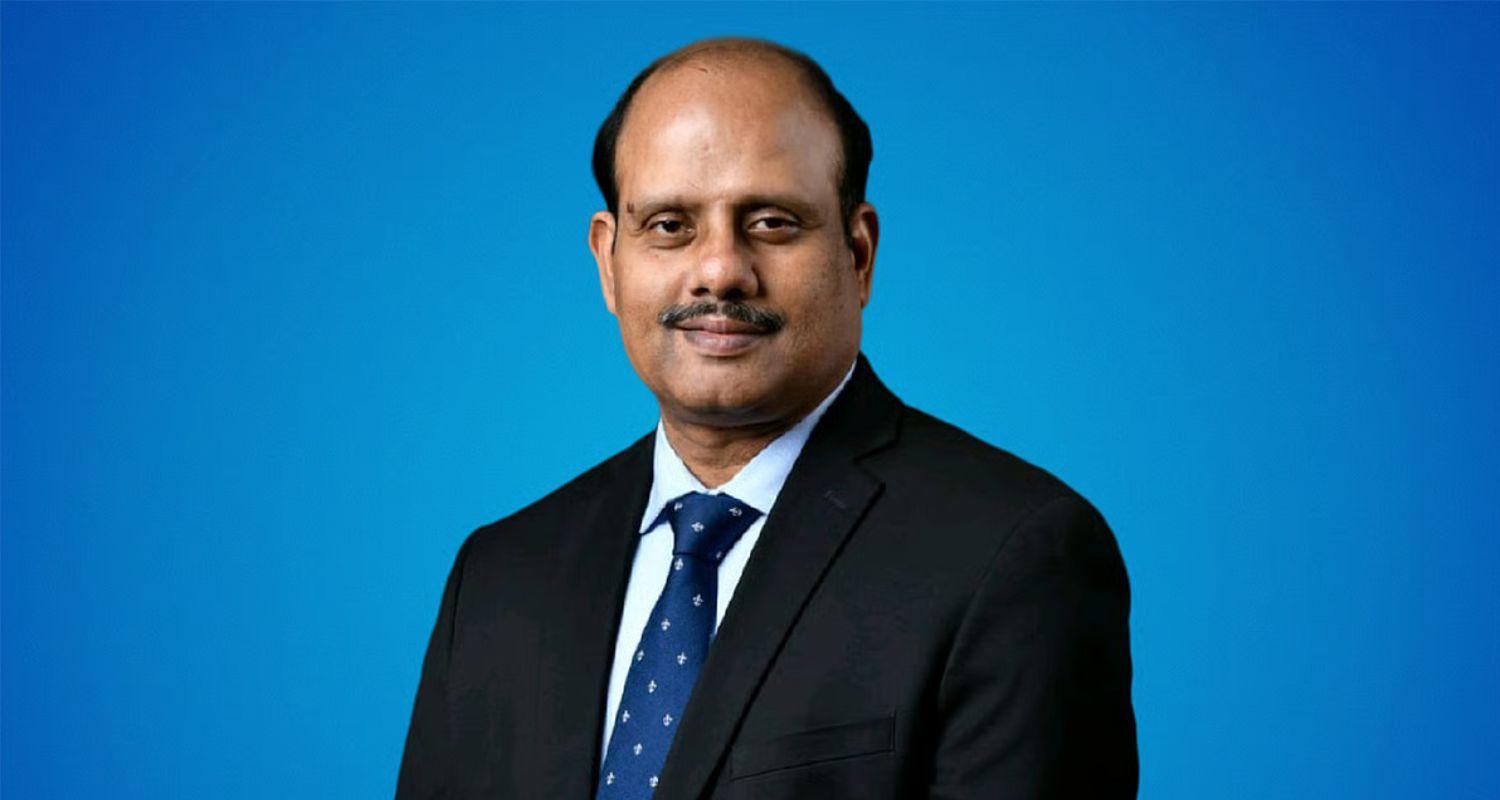
A lightly supervised system may appear efficient for some time because of lower costs and faster growth, but if that growth rests on weak governance, poor credit standards or hidden risks, the eventual cost is also borne by depositors as well as the wider economy, according to RBI Deputy Governor Swaminathan J.
Emphasising the importance of supervision, he said institutions and firms cannot be understood only through reported numbers. “...supervision must look beyond formal compliance. Compliance asks whether the rule has been followed. Supervision asks whether the underlying risk has been understood and addressed,” he said in a recent lecture.
While noting that institutions and firms cannot be understood only through reported numbers, Swaminathan said that numbers tell a story, but one must learn to ask what lies behind them. “The audited balance sheet and information memorandum are useful, but they are not the business. The business is in the factory, on the shop floor, in the market, in the supply chain, in the quality of management, and in the decisions taken. The banker’s job is therefore not to be cynical, but to be curious,” he said.
Swaminathan delivered the 12th G Ramachandran Memorial Lecture at the Madras School of Economics in Chennai on the topic “Learning, Judgement and Public Purpose - Lessons from Banking” on April 30. The lecture was uploaded on the RBI website on Monday.
“A lightly supervised system may appear efficient for some time, because the costs are lower and growth may be faster. But if that growth rests on weak governance, poor credit standards or hidden risks, the eventual cost is borne not only by shareholders or management, but by depositors, borrowers, taxpayers and the wider economy. The true value of supervision lies in reducing the probability and severity of such outcomes,” the RBI Deputy Governor said.
Addressing the students, he also mentioned that banking is becoming more digital, more data-driven and more interconnected. Credit can now be originated through platforms. Payments move instantly. Algorithms may influence lending decisions. Non-bank entities play a growing role in financial intermediation, he said.
While these changes bring enormous possibilities as they can widen access, reduce costs and improve efficiency, Swaminathan said there are also new questions. “Is the customer being treated fairly? Is the model understandable? Is accountability clear? Are risks being recognised early enough? These questions cannot be answered by technology alone. They require judgment. They require institutional discipline. They require humility about what we do not know. And above all, they require a sense of public purpose,” he said.
RBI cautions against misleading loan waiver campaigns
The Reserve Bank on Monday cautioned the public against unauthorised and misleading campaigns promising loan waivers, and asked them to refrain from associating with such individuals or entities. "RBI has observed, with serious concern, the continued occurrence of such campaigns, through various media channels and direct outreach, by certain individuals and entities," the central bank said, reiterating a similar caution it had issued in December 2023.
Such campaigns not only mislead the general public but also interfere with the orderly functioning of the credit system of the country, it said. These campaigns, among others, involve false promises of waiver of outstanding dues to banks/non-banking financial companies (NBFCs); issuance of "debt waiver certificates" or similar documents; and collection of fees under various pretexts, including service or legal charges, from the uninformed public.
"It is reiterated that any claims by individuals/entities offering such services are false, misleading, and liable to attract appropriate legal action under applicable statutes," RBI said.
The Reserve Bank also emphasised that such activities undermine the stability of financial institutions, affect the interest of depositors, and engagement with such individuals/entities can result in direct financial loss. "Members of the public are therefore requested to refrain from associating with or availing services from such individuals/entities and instead approach their lending institutions directly for any information related to their loans," it said.
The RBI has advised the public to promptly report any such misleading campaigns to the appropriate law enforcement agencies.
Also read: Govt appoints Rohit Jain as RBI Deputy Governor



 Follow us