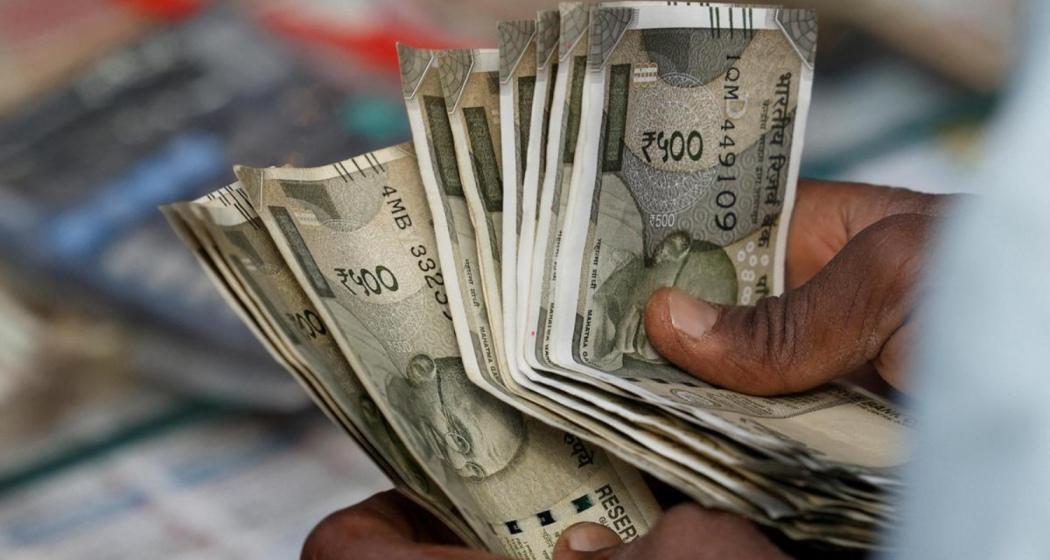
The Indian rupee hit a historic low of 92 against the US dollar on January 23, making imports, overseas education, foreign travel, and remittances more expensive, while providing a potential boost to exporters. The decline comes amid sustained dollar strength and capital outflows.
The local currency has fallen by 202 paise, or over 2 per cent, so far this month. In 2025, the rupee had weakened by 5 per cent following unabated foreign fund outflows and dollar appreciation.
Importers are the immediate losers. India relies on imports for nearly 85 per cent of its crude oil requirements, as well as electronic goods, machinery, chemicals, fertilisers, gold, silver, and other essential commodities. With the rupee’s depreciation, these items will cost more.
Foreign education is also affected. Students paying fees in US dollars will need to spend more rupees, raising the cost of studying abroad. Similarly, foreign travel expenses rise, as one has to pay additional rupees to purchase dollars. Non-resident Indians (NRIs) remitting money to India will also face higher rupee values in transfers.
Also read: Rupee hits all-time low of 92, recovers marginally
Exporters may gain from the decline in the rupee, receiving more Indian currency for every dollar earned. However, those dependent on imported inputs, such as electronics and gems and jewellery sectors, may see gains partially offset. “The depreciating rupee enhanced the price competitiveness of Indian products in the global markets, but for sectors with high import dependence such as gems and jewellery and electronics, the cost of imported inputs may partly offset the currency advantage,” noted the Federation of Indian Export Organisations (FIEO).
Trade data shows India’s imports rose by 8.7 per cent to USD 63.55 billion in December 2025. The trade deficit widened to USD 25.04 billion from USD 24.53 billion in November and USD 22 billion in December 2024. Crude oil imports rose about 6 per cent to USD 14.4 billion, silver imports surged 80 per cent to USD 758 million, while gold imports fell 12 per cent to USD 4.13 billion.
Think tank GTRI has recommended careful management of the rupee and trade policies to balance economic growth and inflation control for long-term stability.

 Follow us