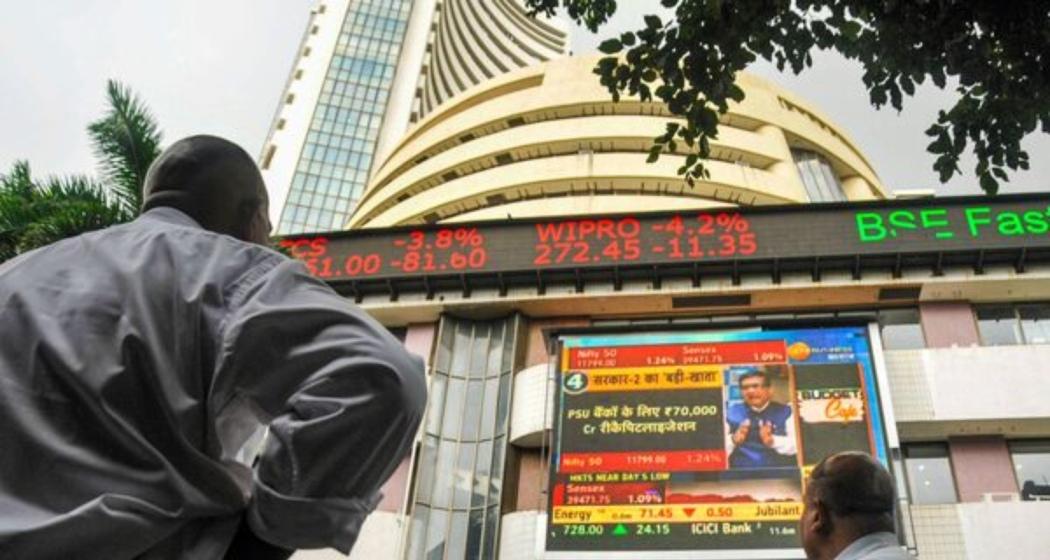
Developments in the ongoing West Asia conflict and their impact on global crude oil prices are expected to be the primary drivers of stock market movement this week, analysts said on Sunday.
Global market trends, foreign investor activity and key domestic macroeconomic data are also likely to influence investor sentiment in the near term.
“This week, movements in global crude oil prices and further geopolitical developments in West Asia will remain critical external variables influencing market direction. The week will also feature key macroeconomic releases that could shape near-term sentiment,” said Ajit Mishra, SVP – Research, Religare Broking Ltd.
“On the domestic front, investors will closely monitor the Consumer Price Index (CPI) inflation data scheduled for March 12,” he added.
Brent crude, the global oil benchmark, surged 8.52 per cent to USD 92.69 per barrel, reflecting rising concerns over potential disruptions to energy supplies from the region.
Analysts said the escalation in geopolitical tensions has heightened uncertainty across global financial markets.
“The week ahead is likely to remain volatile, with market sentiment largely shaped by persistent geopolitical tensions in the Middle East. Investors will closely track global developments, particularly movements in crude oil prices, as energy markets continue to play a critical role in influencing overall risk appetite,” said Ponmudi R, CEO – Enrich Money, an online trading and wealth tech firm.
He added that foreign institutional investor (FII) flows and currency movements would remain crucial indicators of global capital allocation and investor confidence in emerging markets such as India.
Also read: India taps alternative oil sources as Iran crisis deepens
Last week, domestic equity markets ended sharply lower amid mounting geopolitical concerns. The BSE Sensex plunged 2,368.29 points or 2.91 per cent, while the Nifty dropped 728.2 points or 2.89 per cent during the holiday-shortened trading week.
Mishra said escalating tensions in West Asia and the sharp rise in crude oil prices weighed heavily on market sentiment.
Foreign portfolio investors also pulled out Rs 21,000 crore (around USD 2.3 billion) from Indian equities over the last four trading sessions amid the crisis.
“Uncertainty surrounding the Middle East conflict, steady decline in the market, the vulnerability of the Indian economy to sharp crude spike and the sharp depreciation of the rupee contributed to the sustained FII selling in the cash market,” said V K Vijayakumar, Chief Investment Strategist, Geojit Investments Limited.
He added that FPIs are unlikely to return as buyers until there is greater clarity on the geopolitical situation and crude prices moderate.
“Brent crude trading above USD 90 is bad news for the Indian economy and markets,” Vijayakumar said.
The current tensions escalated after the United States and Israel launched military strikes on Iran on February 28, killing Iran’s Supreme Leader Ayatollah Ali Khamenei. Iran has since retaliated with attacks targeting Israeli and American military bases in several Gulf countries, including the UAE, Bahrain, Kuwait, Jordan and Saudi Arabia, intensifying fears of wider regional disruption.

 Follow us