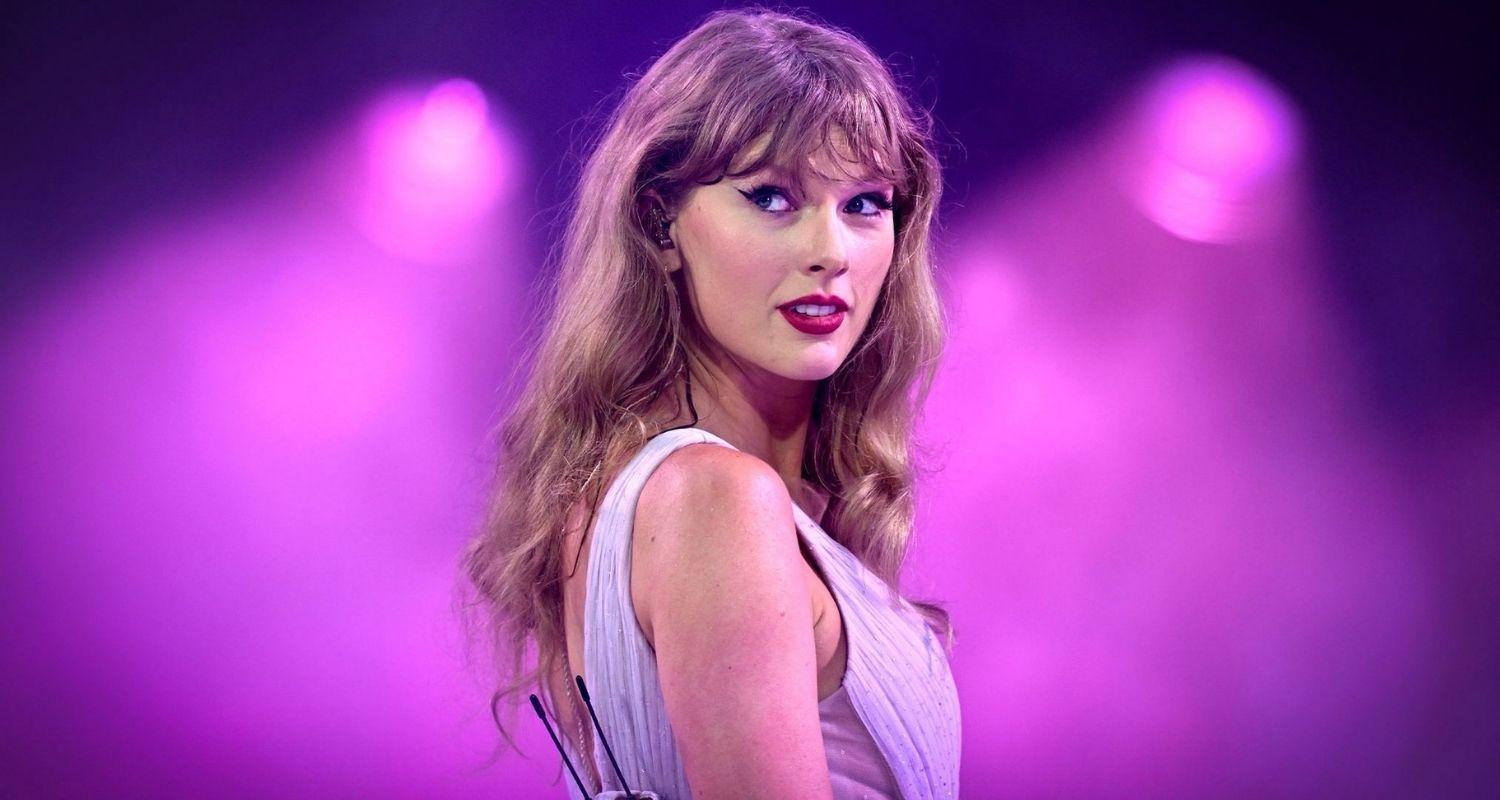
Pop sensation Taylor Swift has made a big move to protect her brand in the AI era, following in the footsteps of actor Matthew McConaughey.
Last week, her team filed three new trademark applications with the US Patent and Trademark Office. Two of those are "sound marks" for her voice—she's looking to trademark the way she says, “Hey, it’s Taylor Swift,” and “Hey, it’s Taylor.”
The third application focuses on a specific visual trademark. It covers a photograph of Swift on a pink stage, performing in an iridescent, multi-colored bodysuit and silver boots. In the image, she is holding her signature pink guitar with a black strap, and is standing in front of a vibrant, multi-coloured microphone set against a backdrop of purple lights.
The filings have been made on behalf on Swift’s TAS Rights Management.
Swift's image and voice have been used without permission in countless AI-generated deepfakes, from false advertising to fake political endorsements to pornographic images.
Also read: Emily Blunt was scared of Meryl Streep
Notably, in the run-up to the 2024 US presidential election, Donald Trump shared AI-generated photographs of Taylor inaccurately suggesting that the singer was endorsing him.
Intellectual-property lawyer Josh Gerben noted that Swift’s filings highlight a rising anxiety within the entertainment world. He explained that artists are increasingly worried about AI's power to hijack their voices and likenesses, stripping them of the ability to control their own identities without consent.
Actor Matthew McConaughey had secured similar trademarks in 2025, including a sound mark on audio of him saying, “Alright, alright, alright!”, his memorable line from the 1993 comedy film “Dazed and Confused”, and audio and video clips of him.
In an interview earlier this year, the actor said: “We want to create a clear perimeter around ownership with consent and attribution the norm in an AI world.”
While trademarks aren’t traditionally used to protect a person’s general voice or persona, McConaughey’s legal team is of the opinion that these protections offer additional legal remedies federal beyond traditional right-of-publicity claims to fight against AI-generated content that misappropriates someone’s likeness.

 Follow us