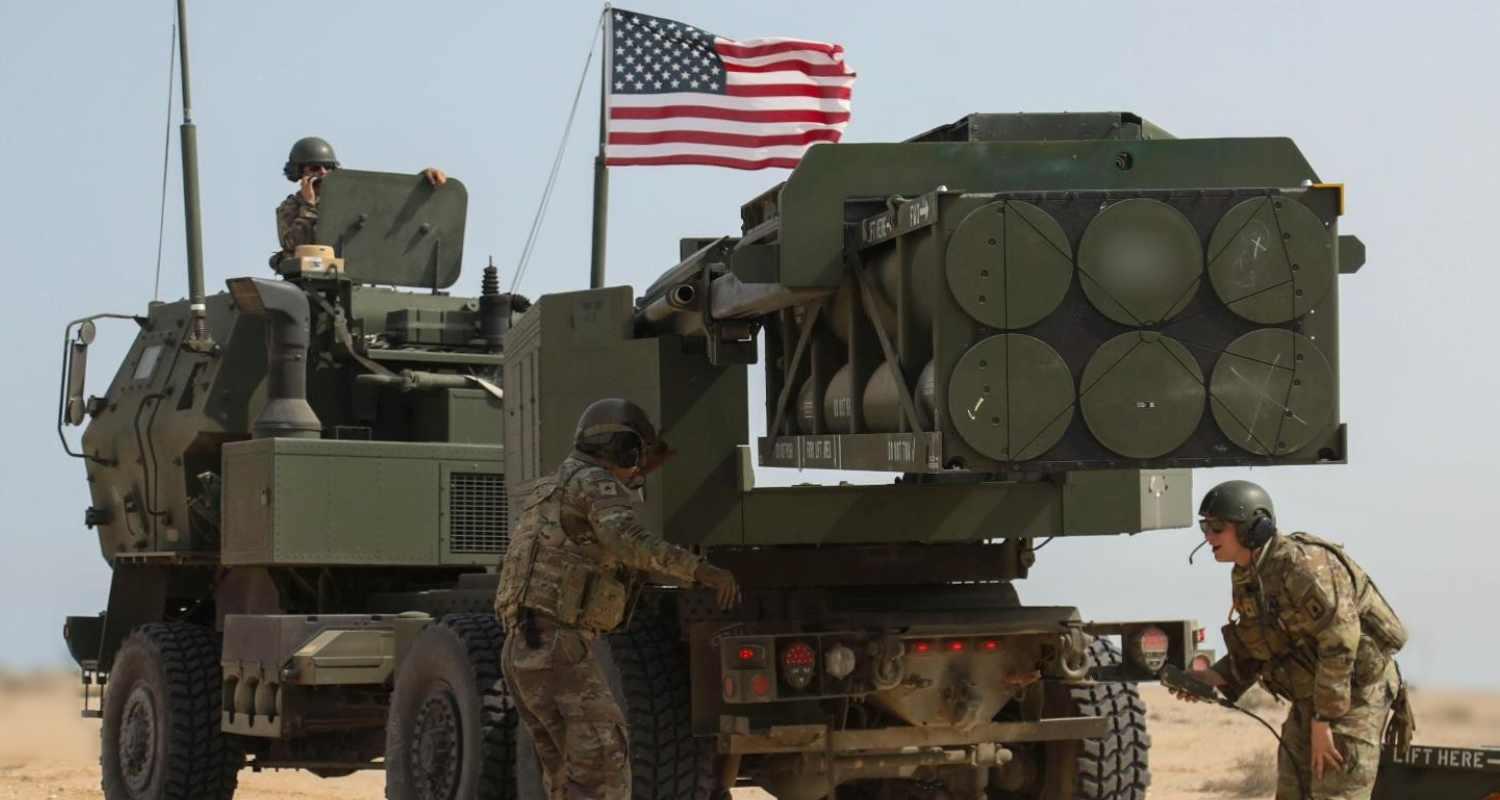
The Pentagon said that at least 140 American troops have been injured since the beginning of the US-Israel-Iran war. Of these, 8 are severely injured.
"The vast majority of these injuries have been minor, and 108 service members have already returned to duty," Pentagon spokesman Sean Parnell said in an emailed statement. Eight are currently "severely injured", Parnell added.
As the war continues with no end in sight, the US stock market and oil prices remained relatively steady on Tuesday, following US President Donald Trump's signals about the potential duration of the war, which had caused wild swings in financial and fuel markets.
Iran says ‘no ceasefire’ —
Iranian Parliament Speaker Mohammad Bagher Qalibaf dismissed any suggestion of seeking a ceasefire, while another top Iranian security official, Ali Larijani, warned Trump himself, writing on X that "Iran doesn't fear your empty threats. Even those bigger than you couldn't eliminate Iran. Be careful not to get eliminated yourself."
War update so far —
US President worried about Iran putting mines in the Strait of Hormuz but said he has no reports of it, and warned that if Tehran did, "we want them removed, IMMEDIATELY!"
"If, for any reason, mines were placed, and they are not removed forthwith, the Military consequences to Iran will be at a level never seen before," Trump wrote on social media.
A fifth of the world's oil passes through the strait, which is only about 33 kilometres (21 miles) wide at its narrowest point.
UNSC to vote —
UN Security Council to vote on demanding Iran stop attacking Arab neighbours. As per an American media house, the resolution condemns Iran's attacks on Bahrain, Kuwait, Oman, Qatar, Saudi Arabia, the United Arab Emirates, and Jordan. The measure calls for an immediate end to all strikes and threats against neighboring states, including those made through proxies.
More explosions in the UAE —
More explosions heard in Doha as Iran's neighbours intercept missiles. The Qatari Defence Ministry says it intercepted another missile attack from Iran. Earlier in the day, Qatar said it intercepted five Iranian ballistic missiles launched, with no casualties or damage reported.
The defence ministry of Bahrain, home to the US Navy's 5th Fleet headquarters, said it has intercepted 105 ballistic missiles and 176 drones since the war began. One hit a residential building in Bahrain's capital, Manama, killing a 29-year-old woman and wounding eight others, the Interior Ministry said.
The United Arab Emirates' Defence Ministry said nine drones hit the country on Tuesday, while it intercepted eight missiles and 26 drones, and that the attacks have killed six people and injured 122.
A ship likely came under attack in the Persian Gulf off the coast of Abu Dhabi, the United Kingdom Maritime Trade Operations centre reported. If confirmed, that would expand the radius of ongoing assaults against shipping by Iran.
The Trump administration offers USD 20 billion in reinsurance to get tankers moving. Military escorts could reopen the Strait of Hormuz for oil and natural gas shipments and reduce a global supply shortage created by the Iran war. And Trump has said the US Navy would escort oil tankers through the strait if necessary. But those escorts have not happened yet, the White House said Tuesday.
There are currently about 400 oil and product tankers idle in the Gulf, and one oil tanker passed through the Strait of Hormuz without incident on Monday, according to data from MarineTraffic, a project that tracks the movement of vessels around the globe using publicly available data.
Israel says Iran is using cluster munitions —
Israel claimed that Iran has been firing cluster munitions throughout this war, adding a complicated and deadly challenge to Israel's already-stretched air defences. The warheads burst open at high altitudes, scattering dozens of smaller bomblets across a wide area. The smaller bombs, which at night can resemble orange fireballs, are difficult to intercept and have proven lethal.
White House says Trump 'not making anything up' —
Leavitt was asked about Trump's shifting explanations, in which he said Iran was going to strike the US first, but offered a variety of different timelines in which he said that would happen.
Leavitt said Trump's statements were "a feeling the president had based on facts".
When asked why other US leaders or Israeli leaders were not making the same assertions and if Trump was "making this up" to justify the war, Leavitt responded by saying, "The president is not making anything up."
White House further avoided explaining why Trump erroneously claimed Iran has Tomahawks. Press secretary Karoline Leavitt did not answer why Trump falsely asserted on Monday that Iran has access to the US-made Tomahawk cruise missile, the weapon likely used to strike a girls' school in Iran, killing 165 people.
She responded in part that "the president has a right to share his opinions with the American public" while noting "he has said he will accept the conclusion of that investigation".

 Follow us