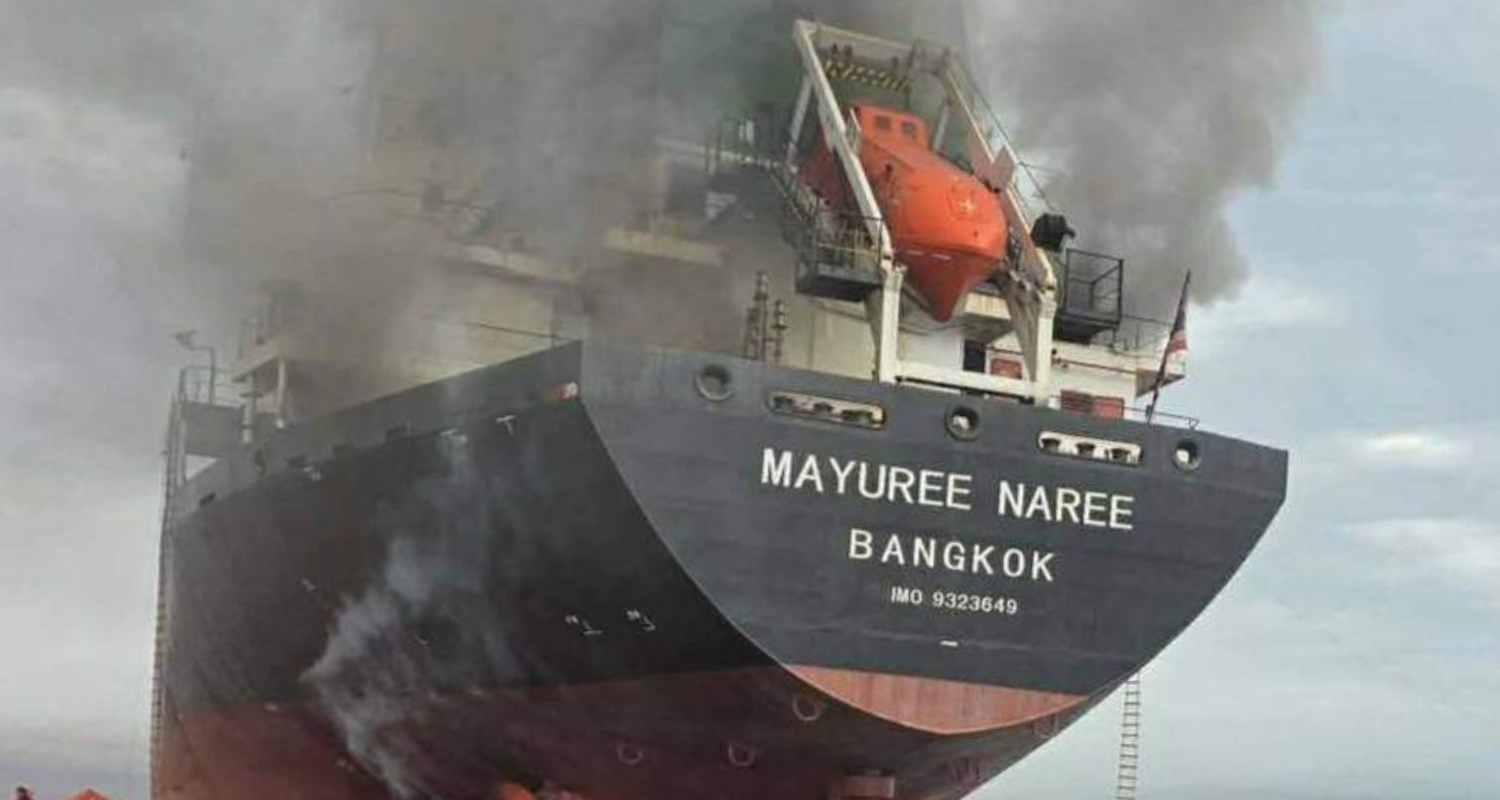
As many as five oil tankers were hit by “unknown projectiles” in the Strait of Hormuz late on Wednesday, intensifying the crisis in the Middle East as the war between Iran, Israel, and the United States shows no signs of abating.
The attacks occurred on the same day that 32 nations voted on a resolution at the International Energy Agency (IEA) to release 400 million barrels of strategic oil reserves in response to the “unprecedented” supply disruption.
The Strait of Hormuz remains under severe pressure due to the ongoing conflict. Iran has repeatedly warned it would “not allow even a single litre of oil” bound for the United States, Israel, or their allies to pass through the waterway.
The route is critical; around one-fifth of global oil trade and nearly 90 per cent of the Middle East’s food imports depend on safe passage through the strait.
LNG and crude oil prices have skyrocketed over the past twelve days due to fears of prolonged shortages.
US President Donald Trump, facing mounting domestic pressure from soaring gasoline prices, said, “We’re not finished yet” in Iran when asked what it would take to end the war. Among the vessels struck in the latest attacks were:
A Thai-flagged tanker hit 11 nautical miles north of Oman. Iran claimed responsibility, stating the ship’s crew ignored repeated warnings.
A Japanese-flagged container ship struck 25 nautical miles off the coast of the United Arab Emirates, sustaining minor damage.
A third vessel was hit around 50 nautical miles northwest of Dubai. The identities and status of the remaining two attacked ships remain unconfirmed.
Following the incidents, Iranian government spokesperson Ebrahim Zolfaqari warned, “Get ready for the oil barrel to be at $200 because the oil price depends on the regional stability which you have destabilised.”



 Follow us