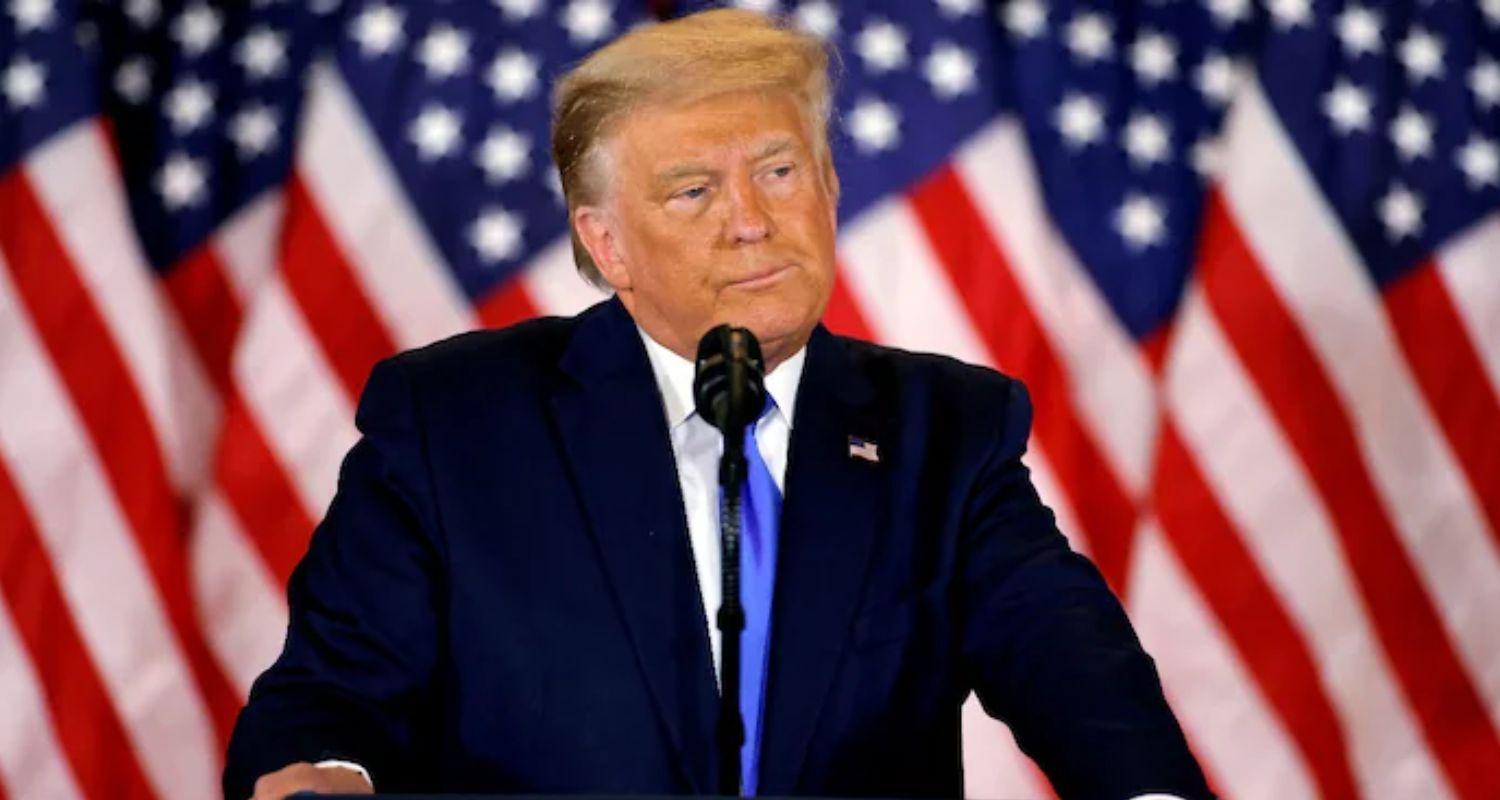
During an address at the White House reception for the new champions of the Major League Soccer, Inter Miami CF, President Donald Trump signaled that the administration plans to end the ongoing war between the US and Iran before focusing its attention on the island nation of Cuba.
The President’s comments imply that the administration has developed a strategic approach to its foreign policy agenda, which must first address the war in the Middle East before focusing on the island nation.
Trump made it very clear that, while the issue of Cuba is still an important one for him, the first priority at the moment is the war with Iran. He told the gathering that the first priority is to finish the war, but he also made it clear that the return to the issue of Cuba is an inevitability. According to the President, the Cuban government is becoming more and more desperate to make an agreement, and he expressed the desire to see the return of the Cuban Americans, stating that the US does not want to lose their input.
The President offered a highly optimistic report on the progress of military operations, claiming that American and Israeli forces are currently dismantling the opposition at a pace that exceeds initial expectations. He painted a picture of a severely weakened Iranian military, alleging that their air force, air defences, and naval capabilities have been effectively neutralised. Specifically, Trump claimed that 24 Iranian vessels had been destroyed within a mere three-day window. While these assertions of total military superiority remain difficult to verify independently, they form the basis of the administration's current narrative of "demolishing" the enemy.
Furthermore, Trump suggested that the Iranian leadership is now actively seeking a way out of the conflict. He claimed that officials have been reaching out to discuss a potential deal, though he met these overtures with a degree of dismissiveness, suggesting that the Iranian side was "a little bit late" and that the US currently maintains more momentum in the fight. Despite this combative attitude, he did make an olive branch of sorts to Iranian diplomats, exhorting them to work together in forging a "new and better" future for their nation, while at the same time warning of dire consequences if resistance continued.
As far as the economic impact of the war is concerned, the President pointed out that the international oil markets had been stable despite the volatility of the conflict. He acknowledged that the conflict represented a "detour" from his domestic economic goals, particularly regarding energy prices, but hinted that new measures to further ease pressure on the markets might be on the horizon. For the moment, however, the White House’s trajectory is set: once the Iranian conflict is settled, the administration’s gaze will turn firmly toward the Caribbean.
Also read: US grants India 30-day waiver for Russian oil stuck at sea

 Follow us