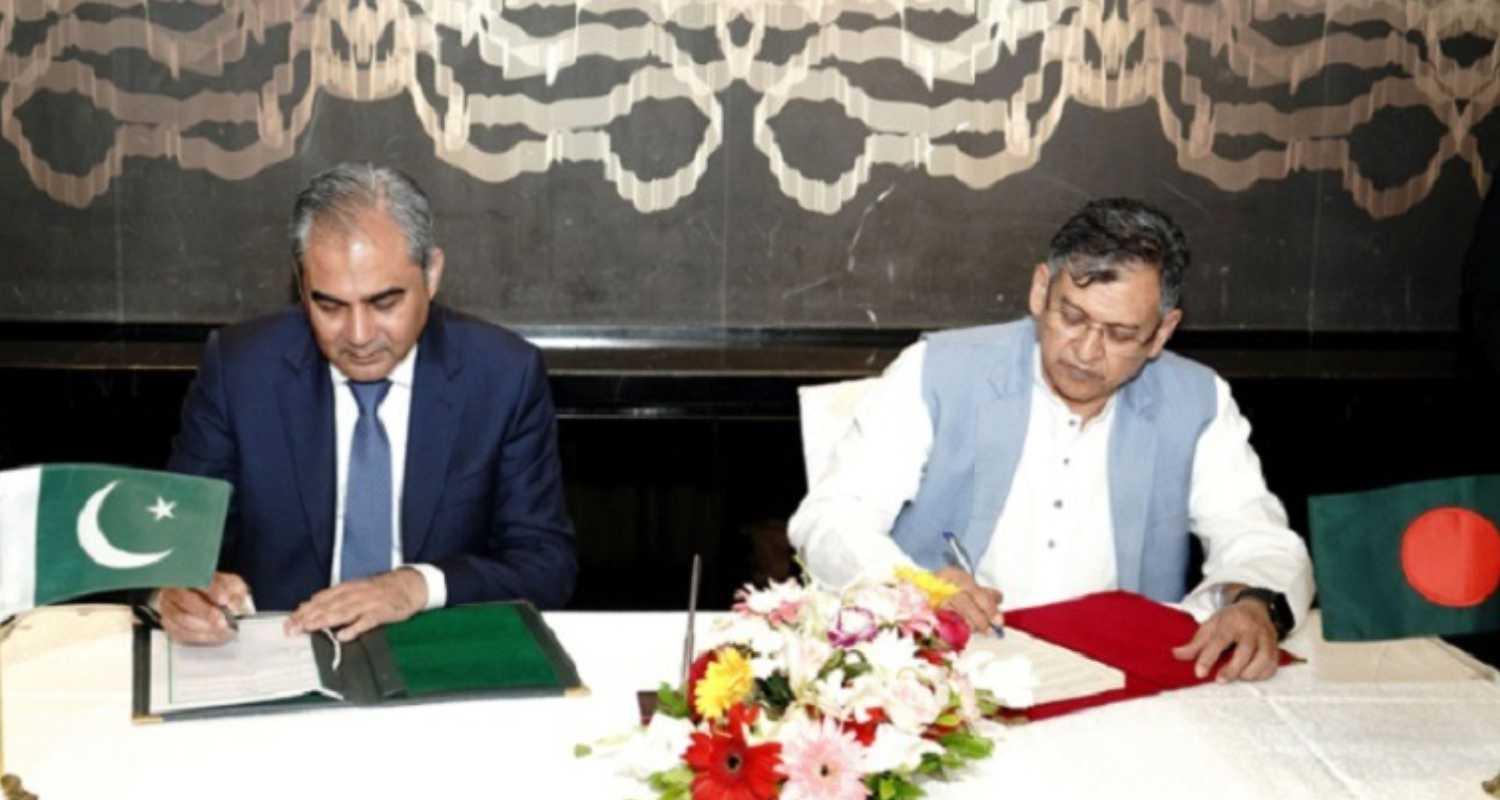
A newly signed intelligence cooperation agreement between Bangladesh and Pakistan has triggered concern in India, with security observers warning that the deal could alter the strategic balance in the region and strain ties between Dhaka and New Delhi.
Signed on May 8 under the framework of a “counter-narcotics memorandum of understanding,” the agreement provides for long-term intelligence sharing, joint operations, and technical cooperation between the two countries. However, officials and analysts in India view the pact with caution, arguing that its scope extends well beyond drug control and could enable the official presence of Pakistani intelligence operatives within Bangladesh.
The agreement was formalised in Dhaka by Bangladesh Home Minister Salahuddin Ahmed and Pakistan Interior Minister Syed Mohsin Raza Naqvi. A key provision allows for joint intelligence operations, continuous information exchange, and coordinated actions targeting narcotics trafficking, money laundering, and transnational crime networks.
While the stated objective is to combat drug-related crimes, Indian security circles have raised questions over the inclusion of “border crimes” in the agreement—particularly given that Bangladesh and Pakistan do not share a direct border. Analysts suggest that such provisions may have implications for regions along the India-Bangladesh frontier, which have historically been sensitive from a security standpoint.
Concerns are further amplified by reports of alleged activity by Pakistan-linked militant groups, including Lashkar-e-Taiba, in areas near the India-Bangladesh border. Recent intelligence inputs regarding suspected infiltration attempts into eastern India have added to apprehensions within the Indian security establishment.
Officials familiar with regional security dynamics caution that any expanded footprint of Pakistani intelligence operations in Bangladesh—particularly near border zones—could complicate coordination mechanisms between India and Bangladesh and potentially heighten tensions.
The agreement, which is initially valid for 10 years, outlines provisions for sharing intelligence on individuals and networks involved in drug trafficking, as well as collaboration on modern surveillance techniques, training programmes, and the use of detection technologies such as sniffer dogs. Bangladesh’s Department of Narcotics Control and Pakistan’s Anti-Narcotics Force have been designated as the nodal agencies for implementation.
However, the manner in which the deal was concluded has also drawn scrutiny. According to sources within Bangladesh’s security establishment, the agreement was finalised within 24 hours during a visit by a Pakistani delegation, raising questions about the level of institutional consultation. Reports suggest that key national security agencies such as NSI and DGFI may not have been fully informed prior to the signing of the pact.
Adding to the intrigue, Naqvi—who led the Pakistani delegation—is considered close to Asim Munir and is believed to have visited Bangladesh on a “special assignment,” according to officials.
While both Dhaka and Islamabad have expressed optimism that the agreement will strengthen efforts against narcotics trafficking and organised crime, its broader strategic implications are likely to remain under close watch in New Delhi. Indian officials are expected to monitor developments carefully, particularly any operationalisation of joint intelligence activities in regions proximate to its borders.

 Follow us