Bangladesh interim government’s senior adviser, C R Abrar, on Tuesday said the state will take complete responsibility of the family of the Hindu garment factory worker who was lynched and set ablaze by a frenzied mob last week on blasphemy charges.
Abrar, the education adviser, met the bereaved family of 25-year-old Dipu Das, who was killed on December 18 in Mymensingh, and termed Das’ killing a “brutal crime which has no excuse”.
“The state has taken the responsibilities of taking care of Dipu Das’ child, wife and parents,” the advisor said.
Before his meeting with the slain worker’s family, Abrar said he held talks with Chief Adviser Muhammad Yunus, who conveyed the government’s “profound sorrow and deepest condolences” over the tragedy.
Yunus’s office also reconfirmed that financial and welfare assistance would be provided to Das’ family, and relevant authorities would remain in close contact with them in the coming period.
In a statement on Tuesday, the chief advisor’s press wing said “allegations, rumours or differences of belief can never excuse violence, and no individual has the right to take the law into their own hands”.
“The government reaffirmed its unwavering commitment to the rule of law, noting that the authority to investigate alleged offences and ensure justice through due process rests solely with the state,” it said.
Also Read: VHP protestors throng B’desh High Commission
Local newspaper reported that Das’ father, Rabi Chandra Das, has demanded justice for his son’s killing, for which 12 people have so far been held by the police for their alleged involvement in the murder.
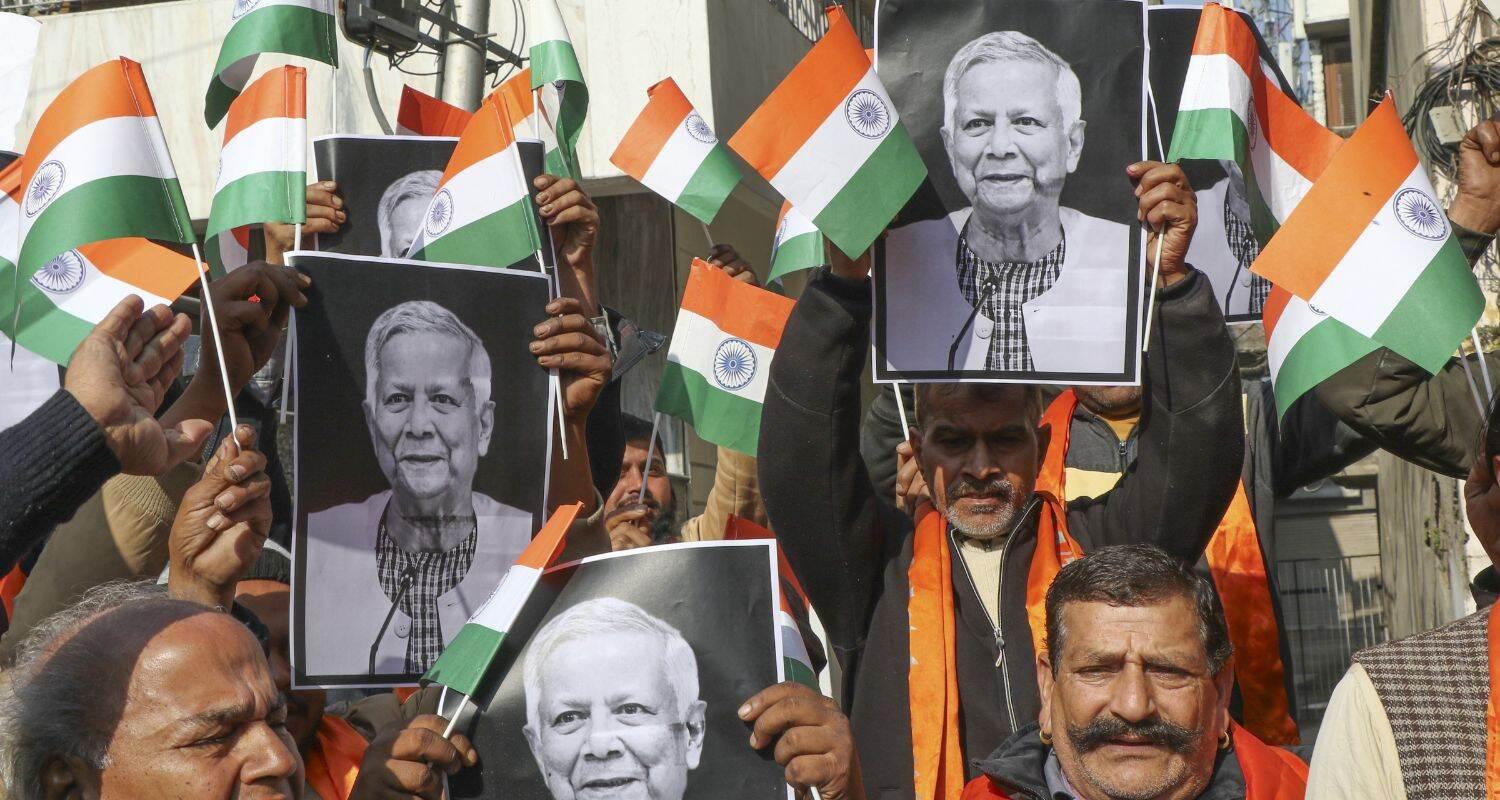
Das’ killing has sparked widespread protests by factory workers, students and rights groups in Dhaka and elsewhere in Bangladesh, while India too saw protests against it.
The mob attack is said to have been triggered by the death of Sharif Osman Hadi, leader of radical right-wing cultural group, Inqilab Mancha. Hadi died at a Singapore hospital six days after he was shot by masked gunmen in Dhaka.
A student leader, Hadi was a prominent face in the anti-government protests last year that toppled Sheikh Hasina’s government and a contender in the upcoming elections in the country scheduled to be held in February next year.
Following his death, mobs went on a rampage, setting alight the offices of the mass circulation Daily Star and Prothom Alo and two leading cultural groups, Chhayanot and the Udichi Shilpi Goshti, which were founded in the 1960s.

 Follow us