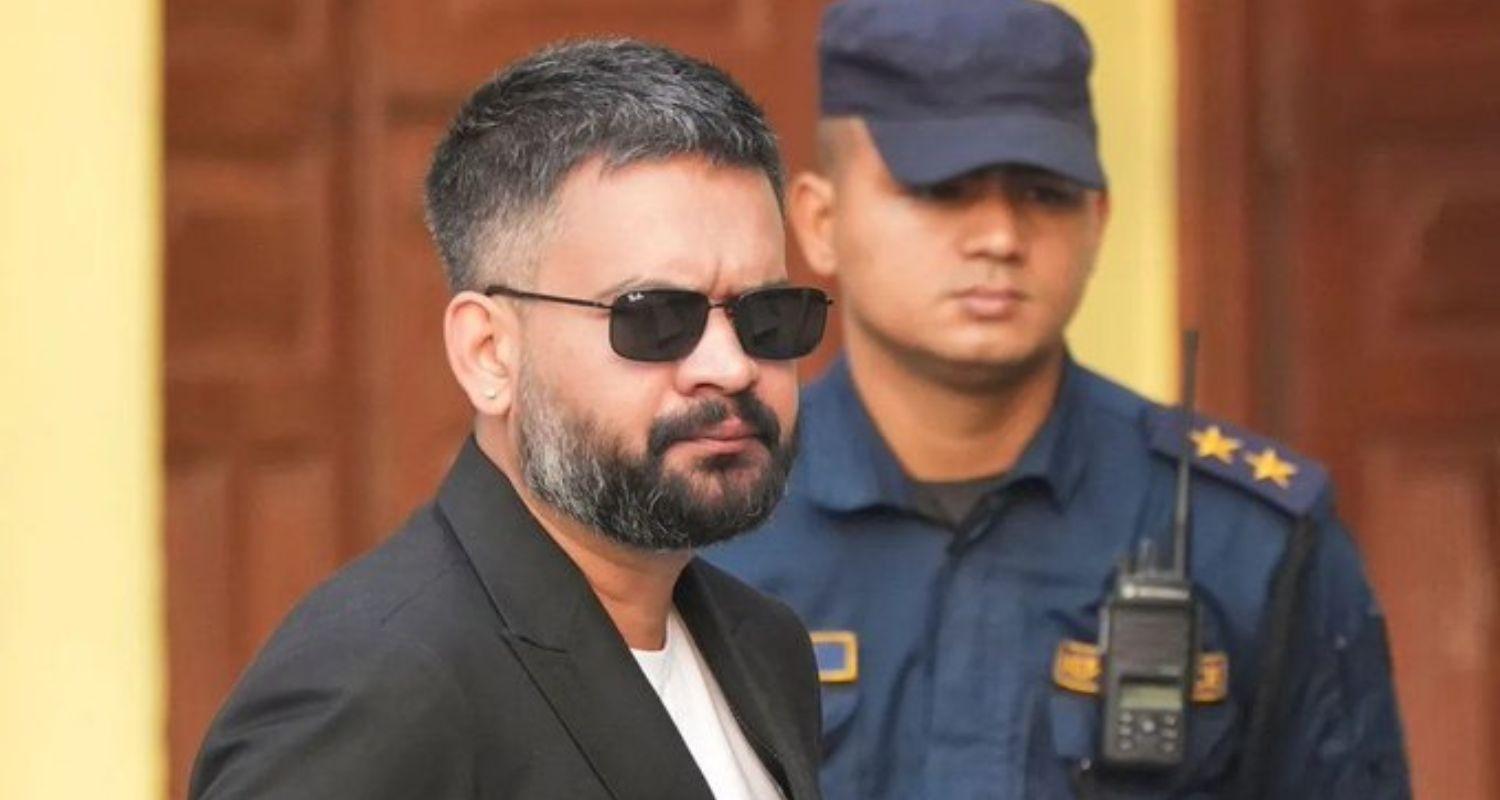
Rapper-turned-politician Balendra Shah and his Rastriya Swatantra Party (RSP) appear to be heading for a historic landslide in Nepal’s general election, with the latest tallies showing the party leading in 101 constituencies. In a symbolic blow to the old guard, Shah has significantly widened his lead over the veteran CPN-UML chairman and former Prime Minister KP Sharma Oli in Oli’s own stronghold of Jhapa-5.
The RSP’s sudden growth is being fueled by what some are referring to as a "Gen Z wave" — a groundswell of support from young voters who were at the vanguard of the anti-establishment protests that gripped the country last year. Shah, the former rapper turned politician who went from the Kathmandu mayor’s office to the national stage, has managed to capitalise on the youthful discontent with the traditional elite.
The party has already begun logging confirmed victories, with high-profile candidate Ranju Neupane (Darshana) securing the parliamentary seat for Kathmandu-1. This victory in the capital is emblematic of the broader shift; preliminary data suggests the RSP is poised to sweep nearly all constituencies in the Kathmandu Valley. The elections, held on Thursday, were the first since the violent crackdown on youth-led protests six months ago, which resulted in 77 deaths and eventually forced the previous government to resign. Despite the heavy baggage of the past year, the Election Commission reported a peaceful polling day with a voter turnout of approximately 60 per cent. Officials noted that the "unprecedented energy" at polling stations was largely driven by first-time and younger voters.
Counting is currently focused on the 165 first-past-the-post (FPTP) seats of the 275-member House of Representatives. The remaining 110 seats will be determined later through a proportional representation system. The Joint Secretary and Spokesperson for the Election Commission, Narayan Prasad Bhattarai, complimented the smooth conduct of the election, crediting the "positive and supportive" contribution of the younger generation as both candidates and voters. If the trend continues, the 35-year-old Shah stands a good chance of being the youngest Prime Minister in the history of Nepal, a far cry from the aging political class in the country.
Also read: Nepal general elections: Balen Shah’s RSP nears landslide victory

 Follow us