Inflation in Bangladesh has risen sharply, reaching a four-month high of 11.38 per cent in November, according to the latest data from the Bangladesh Bureau of Statistics (BBS).
This marks a noticeable increase from October’s inflation rate of 10.87 per cent. The primary driver behind this surge is the higher cost of food, which saw a significant rise in prices.
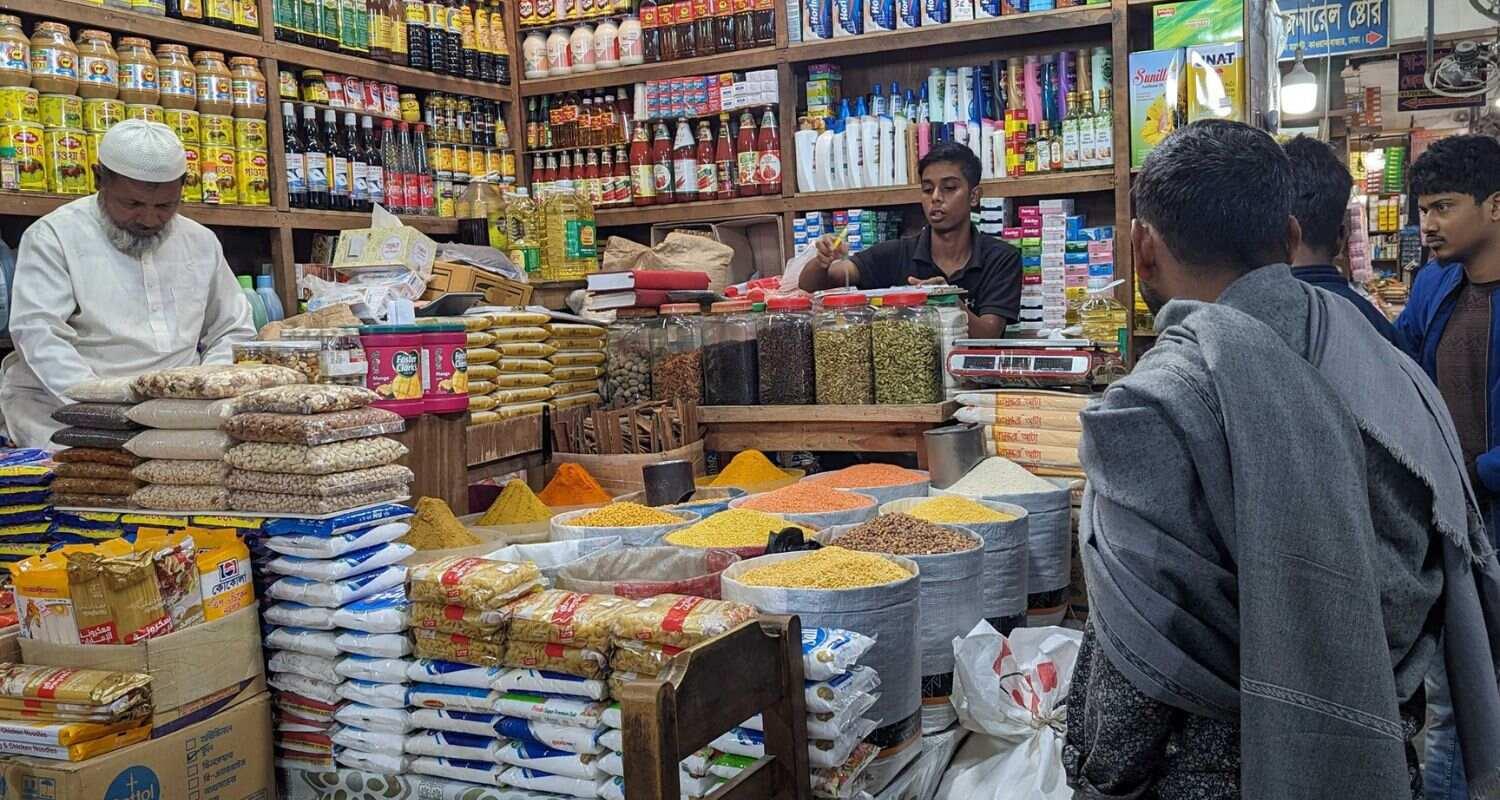
Food inflation jumped to 13.80 per cent in November, up from 12.66 per cent in October. This is a major concern for the people of Bangladesh, as food items account for a significant portion of household expenses.
The price hike in essentials such as rice, vegetables, and meat has put pressure on daily consumers, especially those from lower-income groups.
While food inflation dominated the overall rise, non-food inflation also saw a slight increase. Non-food inflation went up to 9.39 per cent in November, compared to 9.34 per cent in October.
Although this is a small increase, it still reflects the broader challenges in managing costs across different sectors.
The current inflation rate is significantly higher than the government’s target of 7.5 per cent for the fiscal year 2023-24. With the average inflation for the fiscal year now at 9.73 per cent, it indicates that the government will face difficulties in meeting its budgetary goals.
This surge is also more pronounced compared to the previous fiscal year, when overall inflation stood at 9.02 per cent.
The sharp rise in inflation is a growing concern for the government and policymakers. As food prices continue to soar, the government will have to find ways to stabilise the market and ease the financial strain on the general population.
It also raises questions about the effectiveness of current monetary policies in tackling the underlying causes of price hikes.



 Follow us