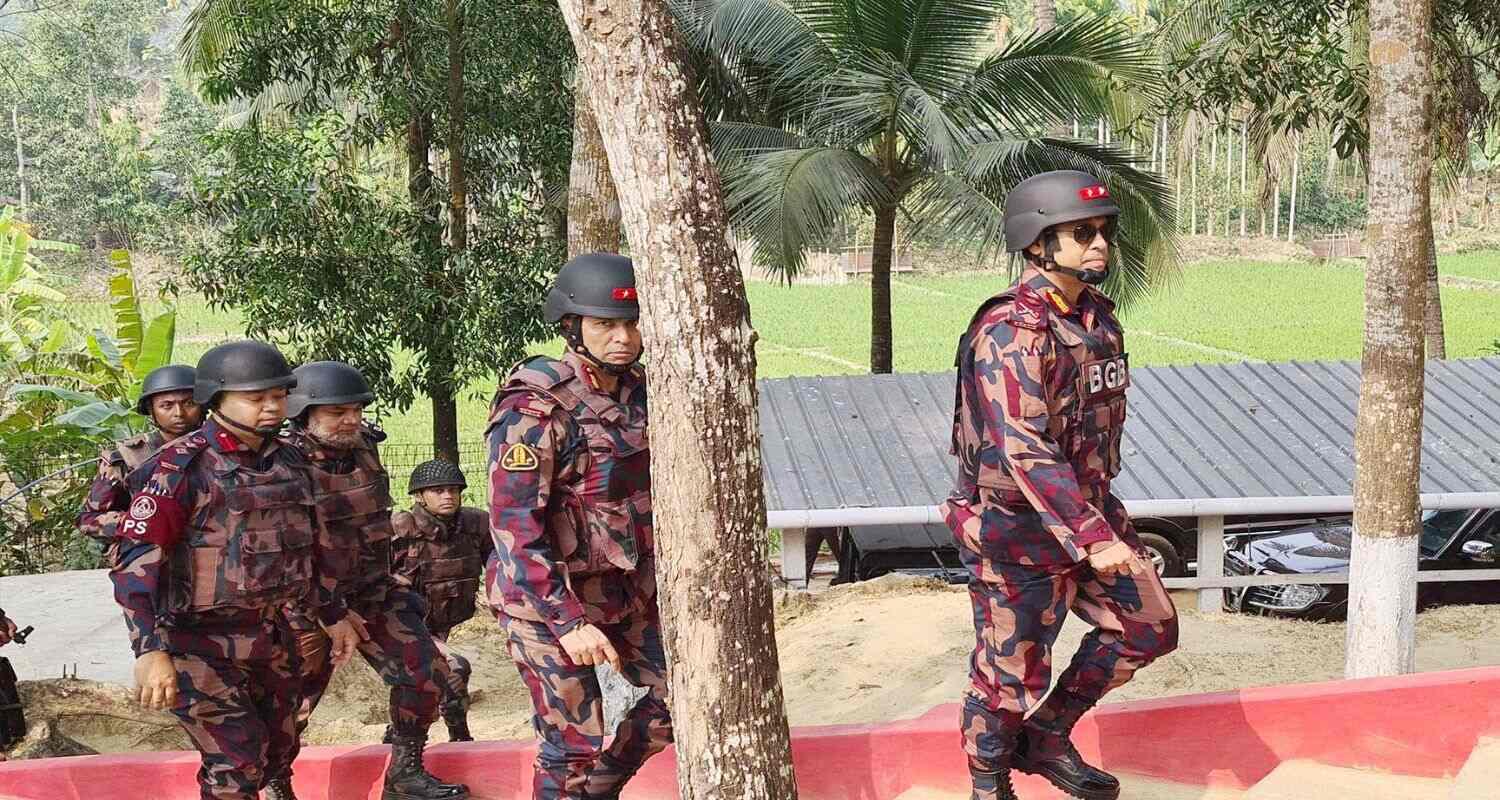
As doubts grow over the ability of the Muhammad Yunus-led interim administration to conduct free and fair elections in February 2026, Bangladesh’s Home Ministry has taken steps with far-reaching implications, particularly for ethnic minority regions, intelligence sources say.
The Border Guards Bangladesh (BGB), primarily responsible for border security, requested additional personnel citing election duties.
The Home Ministry swiftly approved 3,500 new recruits, increasing the BGB’s strength by nearly 10 per cent to about 38,500, to be deployed across 492 upazilas. Critics argue that this move reflects misplaced priorities amid a weakened civilian administration and rising influence of Islamic fundamentalist groups.
Sources in intelligence wings in Bangladesh said concerns are especially high in the Chittagong Hill Tracts (CHTs), where the BGB has intensified operations in recent months.
“Indigenous rights groups allege the force has used disproportionate measures against local communities, including the Chakma and Bawm peoples, causing widespread displacement. Reports indicate that BGB operations have coincided with an influx of Bengali Muslim settlers into traditionally indigenous areas. Security forces are accused of facilitating these settlements by confiscating land, including property belonging to private owners and religious institutions, such as a Buddhist monastery in Barmachari under Laxmichari upazila, Khagrachari district,” said an intelligence establishment officer.
Human rights observers warn that the BGB’s sudden expansion could exacerbate tensions. “A rapid increase in personnel without accountability risks worsening an already volatile situation,” said a Dhaka-based analyst.
Also Read: BNP acting chairman Tarique Rahman returns to Dhaka
The Bangladesh Army has also been drawn into election preparations. In November, the General Officer Commanding of the 66 Division held a town hall meeting in Kurigram, urging soldiers under his command to help ensure “free and fair elections.” Critics say the involvement of uniformed forces in electoral processes undermines democratic norms, particularly in sensitive regions like the CHTs.
BGB operations in Rangamati district reportedly included aerial actions near the Salangsori river. While no casualties were officially reported, villagers say they were forced to flee their homes, which are now occupied by settlers from outside the region. Educational institutions have also been affected; a private primary school run by indigenous people in Baghaichari upazila was attacked on December 14. Survivors claim any protests are met with threats from both the BGB and the Army.
Tensions escalated further after the killing of Osman Hadi, a student leader linked to the July–August 2024 movement.
“In its aftermath, minority communities in the CHTs have reported repeated violence by Muslim settlers, with security forces largely remaining passive, allegedly due to political protection from Dhaka. With the BGB effectively overseeing elections in the CHTs, concerns over electoral integrity are mounting,” said the intelligence wing officer.
Bangladesh-based critics warn that fear and coercion could dominate all stages of the process, from roll preparation to campaigning. The ongoing settlement of outsiders is already altering the demographic balance, risking the disenfranchisement of indigenous groups who historically form the majority.
“The situation raises serious questions about the credibility of the 2026 elections and the future of minority rights in Bangladesh,” said a critic from Dhaka.

 Follow us