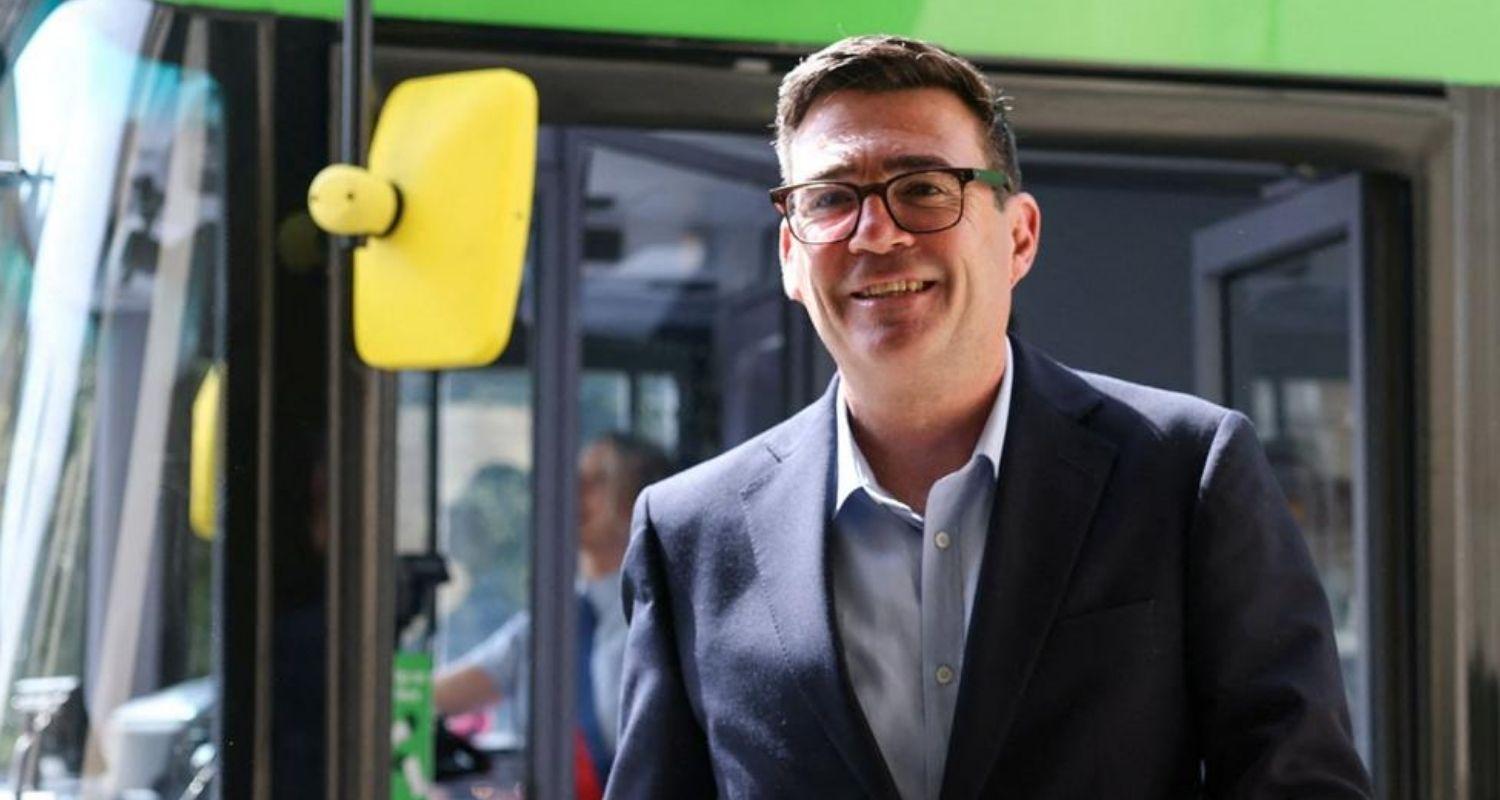
British Prime Minister Andy Burnham has announced a nationwide cap of £2 on single bus fares, describing the measure as a key step towards easing the cost-of-living burden on households and ensuring affordable public transport for millions of people across the United Kingdom.
The announcement, made during Burnham's first week in office at 10 Downing Street, marks one of the new government's earliest policy initiatives after campaigning on a pledge to lead what he described as a "cost-of-living government."
The Prime Minister said affordable and reliable public transport is essential for ensuring that people can access employment, education, healthcare and other vital services without being constrained by rising travel costs.
"Buses are a lifeline for communities," Burnham said while unveiling the policy. "They provide essential routes into work, training and education, as well as childcare, healthcare and leisure. Good, affordable transport links are essential, and no one should be priced out of those opportunities or left behind."
Under the new policy, the maximum fare for a single bus journey will be limited to £2, preventing ticket prices from rising significantly on some of the country's more expensive routes.
Government officials said that without the fare cap, passengers travelling on certain routes could face fares exceeding £10 for a single journey, placing an additional financial burden on commuters and families already dealing with higher living costs.
The fare cap is expected to benefit millions of regular bus users, including workers, students, pensioners and low-income households who rely on public transport for their daily travel.
The initiative forms part of Burnham's broader strategy to tackle household expenses while improving access to essential public services. The government has indicated that reducing transport costs is one of several measures aimed at helping families manage inflationary pressures and rising everyday expenses.
Public transport plays a particularly important role in many parts of the UK where bus services remain the primary mode of travel, especially in towns, rural communities and suburban areas that have limited rail connectivity.
By keeping fares low, the government hopes to encourage greater use of public transport, reduce dependence on private vehicles and support broader environmental goals through lower road congestion and reduced emissions.
Transport experts have long argued that affordable bus services are critical to improving social mobility by connecting people to employment opportunities, educational institutions and healthcare facilities. Lower fares can also provide significant financial relief for households that rely on buses for multiple journeys each day.
Also read: 10 militants killed in Balochistan
The announcement has been welcomed by many passenger groups, who have consistently called for measures to protect commuters from rising transport costs. Analysts noted that affordable fares could also help increase passenger numbers, benefiting bus operators through higher ridership despite lower ticket prices.
Burnham has previously advocated for stronger public transport systems during his tenure as Mayor of Greater Manchester, where he oversaw reforms aimed at improving bus services and making them more accessible. His experience in regional transport policy is expected to influence the new government's broader approach to public transport across the country.
The Prime Minister said the government intends to ensure that public transport remains accessible to everyone, regardless of income or location.
"Affordable transport is not a luxury—it is a necessity. It enables people to get to work, attend school or college, reach medical appointments and participate fully in community life. Our aim is to make sure that no one is excluded because travel has become too expensive," he said.
The £2 fare cap is among the first major policy announcements of Burnham's administration and reflects the government's emphasis on addressing everyday economic concerns facing households. The measure is expected to provide immediate financial relief for regular commuters while reinforcing the government's commitment to improving public services and supporting economic inclusion across the United Kingdom.

 Follow us