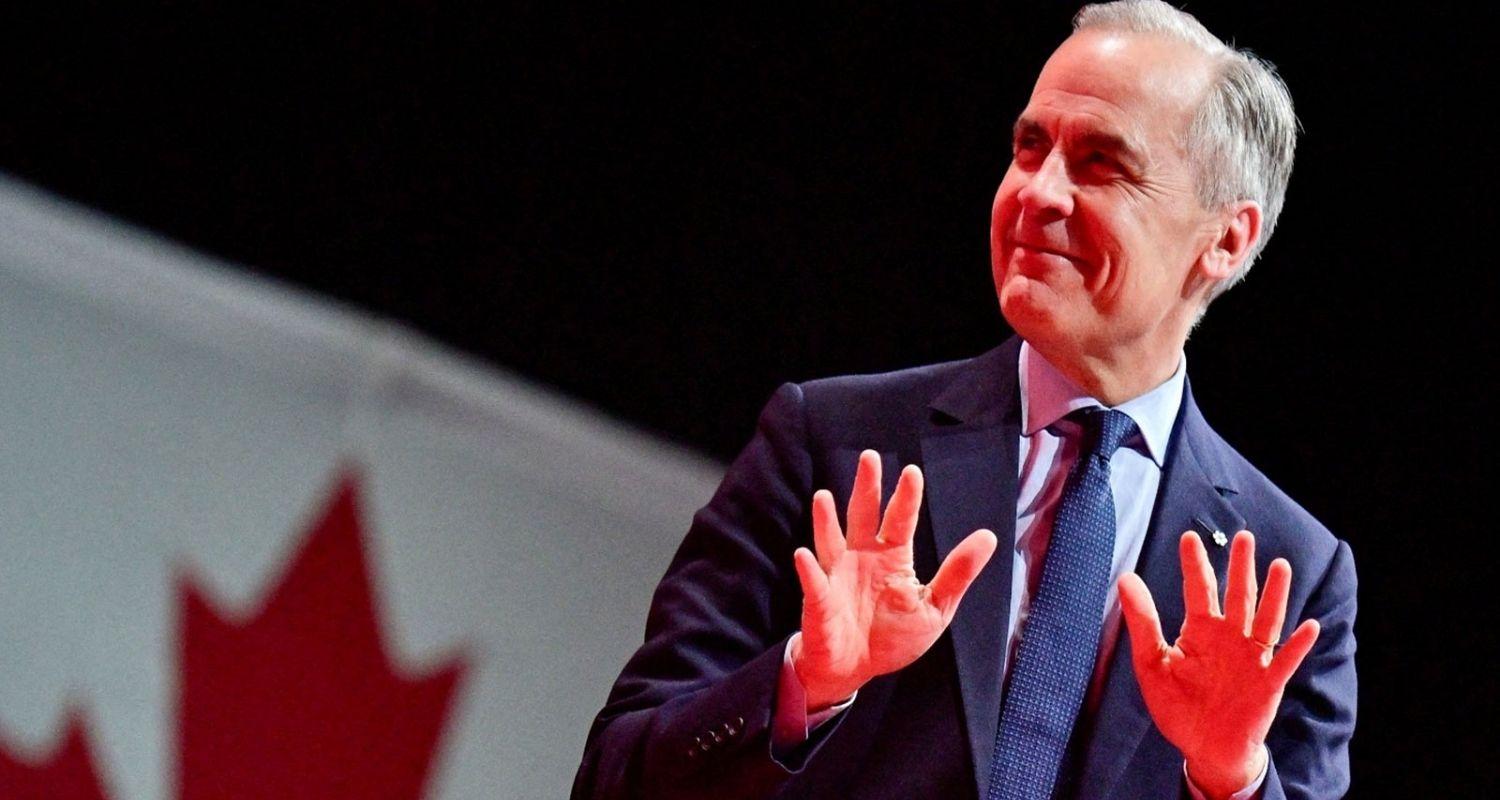
Canadian Prime Minister Mark Carney arrived in China on Wednesday to discuss new partnerships in trade with the Chinese President, Xi Jinping.
Carney’s visit to the other side of the world is being seen as a move to end Canada’s economic reliance on the American market, its long-time ally, as US President Donald Trump unleashes economic aggression on friends and foes alike. Last year, Trump hit Canada with tariffs on its exports to the United States and suggested the vast, resource-rich country could become America’s 51st state.
Now, Carney, who took office last year, is seeking to revive a relationship with China that remained rather hostile for more than six years under former Canadian Prime Minister, Justin Trudeau.
China’s state media has welcomed the Canadian leader, and advised that he formulates a new foreign policy that weans the country’s economy away from dependence on the US, its geographic neighbour and long-standing friend.
This “strategic autonomy”, according to Chinese state media channels, should deter the US administration under President Donald Trump from pursuing trade and military action against other countries.
“If the Canadian side reflects on the root causes of the setbacks in bilateral relations over the past few years – the previous Justin Trudeau government’s policies to contain China in lockstep with the United States – it will realise that it can avoid the same outcome by upholding its strategic autonomy in handling China-related issues,” wrote a state-owned Chinese newspaper in an editorial this week.
“If Ottawa still chooses to subject its China policy to the will of Washington again in the future, it will only render its previous efforts to mend ties with Beijing in vain,” the English-language paper warned.
Another daily run by the government said the US imposing tariffs on Canadian products was the “heavy price paid for blindly following the US in imposing high tariffs on China that awakened Ottawa’s sense of strategic autonomy”.
The Chinese government also slammed former US President Joe Biden’s efforts to strengthen relations with Europe, Australia, India, Canada and others to confront China.
Relations between China and the US turned sour with the arrest of a Chinese tech executive in late 2018 at America’s request. It was fuelled more recently by the Trudeau government’s decision in 2024 to follow Biden’s lead in imposing a 100 per cent tariff on Chinese-made electric vehicles.
China retaliated with a 25 per cent tariff on steel and aluminium with its own tariffs on Canadian exports, including canola, seafood and pork.
Also Read: Ottawa working fast to secure India trade deal: Canada Minister

 Follow us