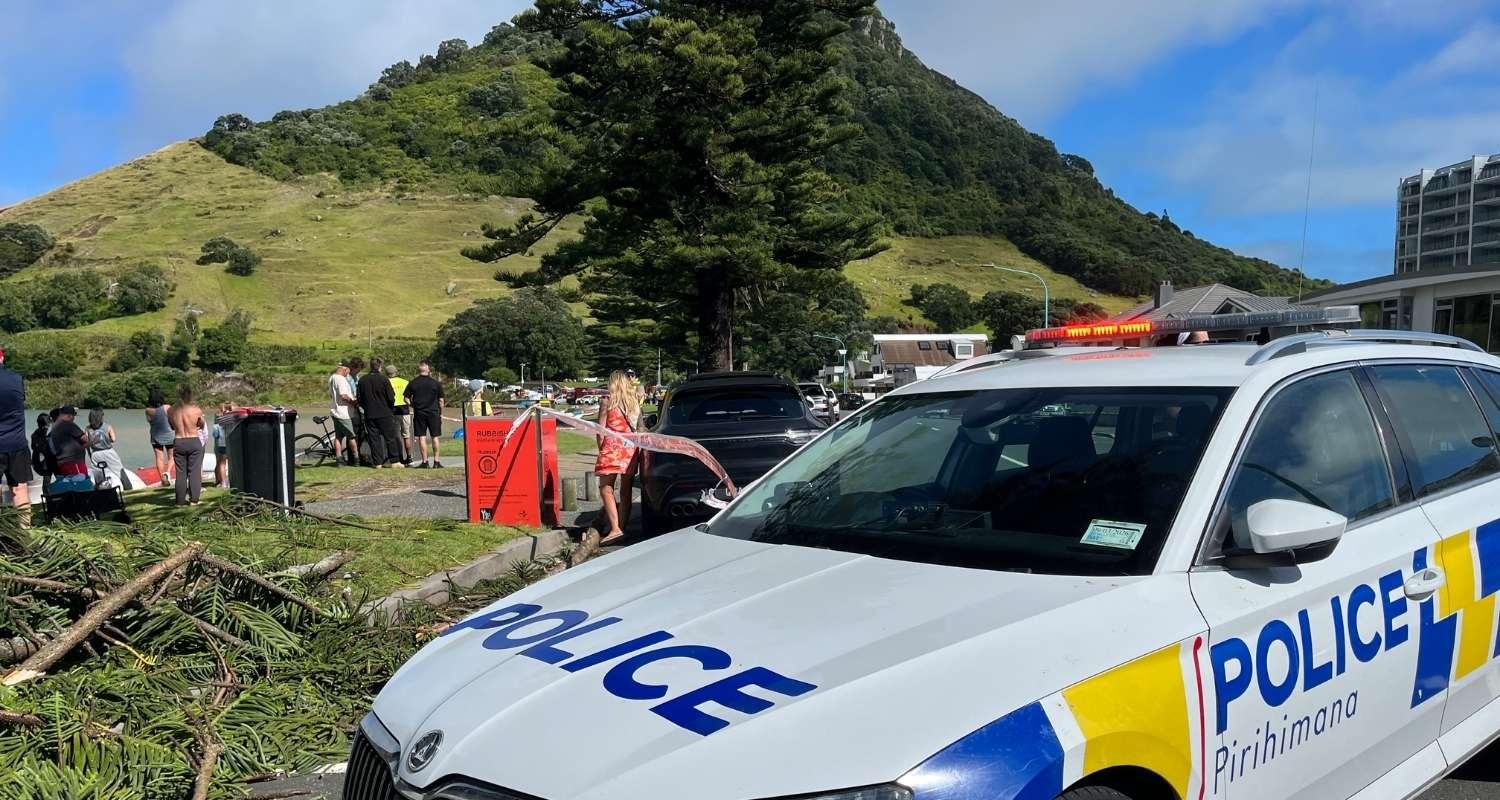
A massive landslide hit a campground in New Zealand on Thursday and destroyed parts of the Mount Maunganui Beachside Holiday Park, with several people feared missing or dead.
Emergency services were called to the slide at the base of Mount Maunganui on New Zealand’s North Island after 9:30 am (local time) to rescue people buried in the rubble after a landslide hit the town following a tropical storm that caused widespread flooding across the North Island named after the extinct volcano.
Police said the holiday park had been evacuated and that tents, campervans and a toilet had been hit by falling debris.
While no survivor had been recovered three hours after the slide, as per Fire and Emergency NZ commander, William Pike, Police Superintendent, Tim Anderson, said the number of people missing was in “single figures”.
“Members of the public ... tried to get into the rubble and did hear some voices,” Pike told reporters, but no “sign of life had been detected since”.
“Our initial fire crew arrived and were able to hear the same. Shortly after our initial crew arrived, we withdrew everyone from the site due to possible movement and slip,” he said.
Also Read: 16 dead in Indonesia’s flash floods
Emergency Management Minister, Mark Mitchell, said emergency crews were continuing a rescue operation.
Mayor Mahe Drysdale said those unaccounted earlier included people who left the campground without notifying authorities.
The slide was one of several across North Island after recent heavy rain during Southern Hemisphere summer, leaving thousands of people without power as floodwaters cut off entire towns. The prolonged heavy rain was caused by a tropical low that struck the country, national forecaster MetService said.
States of local emergency have been declared across the country’s northernmost region and parts of the east coast, including summer holiday destinations on the Coromandel Peninsula and in the Bay of Plenty.
“These impacts are likely to be long and far-reaching and may extend into the long weekend ahead for popular holiday hotspots,” MetService meteorologist Mmathapelo Makgabutlane said.

 Follow us