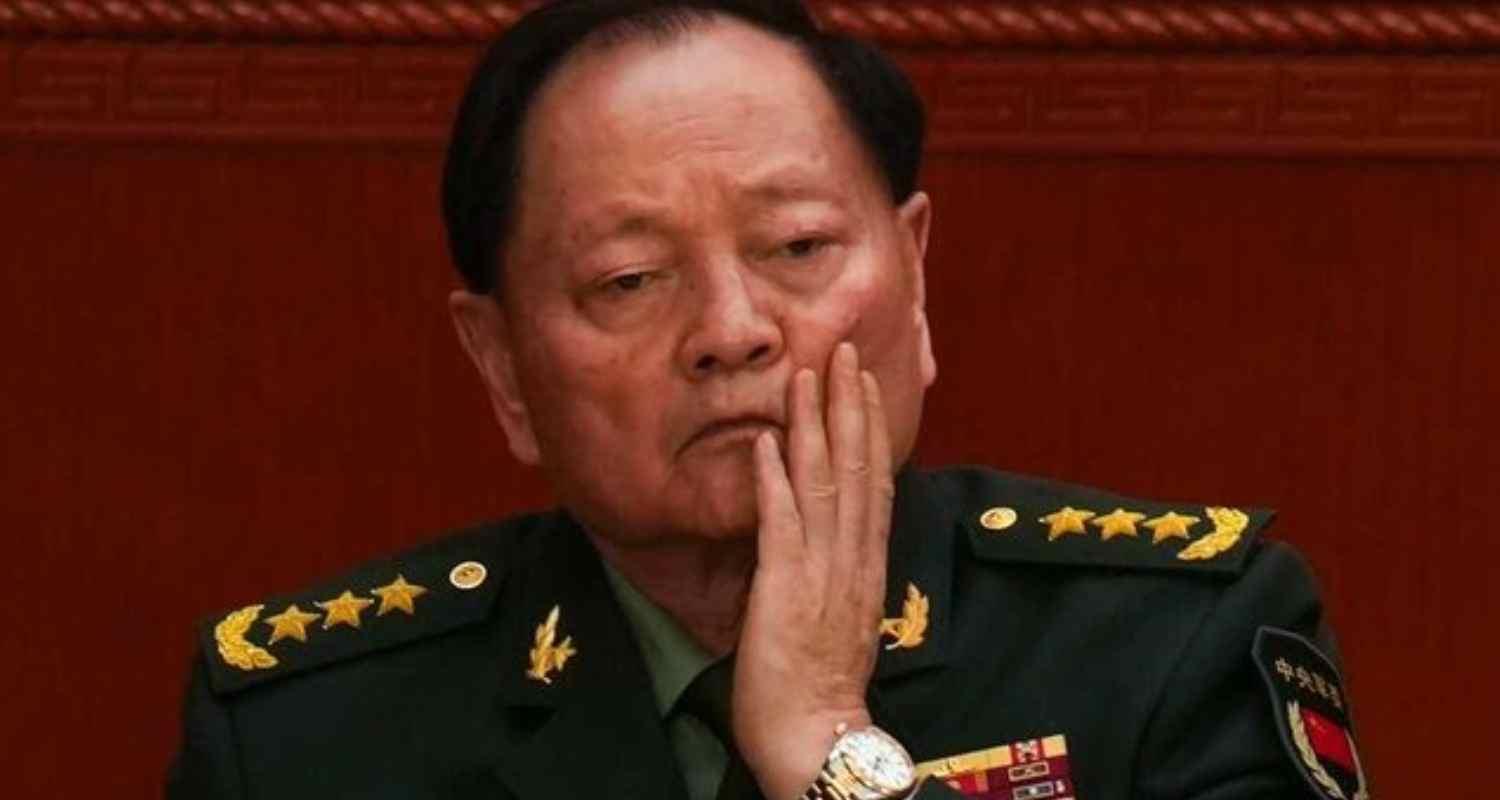
China’s Ministry of National Defence has launched an investigation into its highest-ranking military general, Zhang Youxia, on suspicion of “serious violations of discipline and the law”.
Zhang, a member of the Communist Party’s Politburo and Vice Chairman of the Central Military Commission (CMC)—China’s top military body chaired by President Xi Jinping—is the subject of the probe announced on Sunday. Another senior CMC member, Liu Zhenli, is also under scrutiny on similar grounds, according to official statements.
Zhang, who joined the People’s Liberation Army (PLA) in 1968, has remained in office beyond the standard retirement age for Chinese military officers. Multiple sources allege that Zhang may have leaked sensitive information related to China’s nuclear programme to the United States in exchange for substantial bribes and political favours, though Beijing has not officially confirmed these specific claims.
A strongly worded editorial published on Sunday in the PLA Daily, the country’s top military newspaper, stated that any officials found guilty of corruption would be “punished without mercy or leniency” regardless of their position or stature in the armed forces.
Since beginning his third term as President in 2023, Xi Jinping has intensified his anti-corruption campaign across both civilian and military ranks, targeting several high-profile figures.
In recent years, the purge has removed two former vice chairmen and three members of the CMC, a defence minister, and more than a dozen generals, many of whom have been imprisoned.
On January 12, while addressing the country’s top anti-graft agency, Xi said the CPC Central Committee had made “solid and rapid strides” in improving party conduct and combating corruption.
He added that the situation remained “grave and complex” and warned that there must be “no place to hide” for corrupt officials.
The investigation into Zhang Youxia marks one of the most senior military figures targeted in Xi’s ongoing drive to eliminate corruption and ensure absolute loyalty within the PLA.

 Follow us