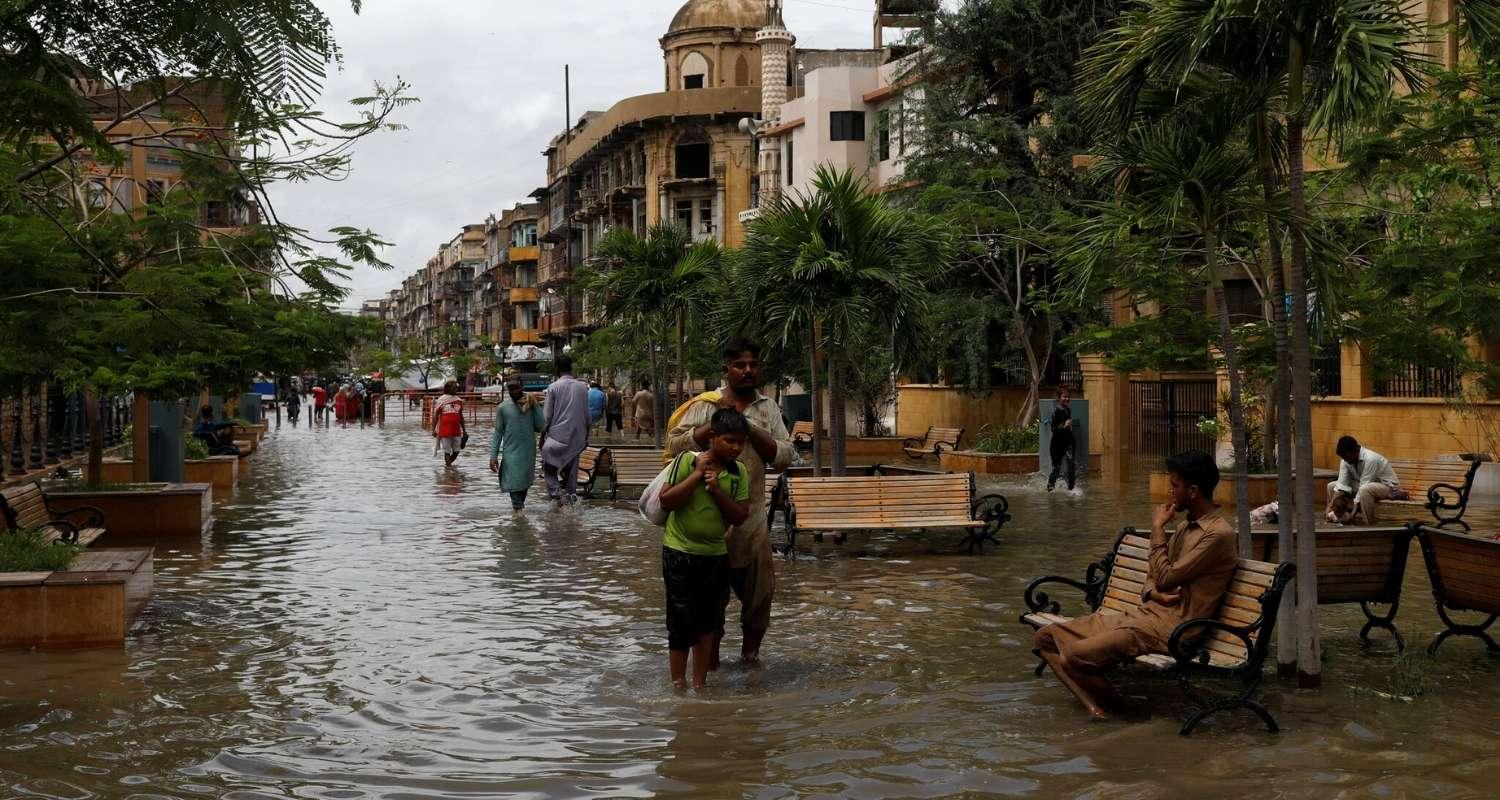
As the monsoon season gathers pace, concerns are mounting over Karachi's preparedness to deal with heavy rainfall and urban flooding, with environmental experts and urban planners warning that slow progress in cleaning the city's stormwater drains could leave large parts of the metropolis vulnerable despite forecasts of below-normal this year.
According to the Pakistan Meteorological Department (PMD), Karachi is expected to receive rainfall during the July-September monsoon period, although overall precipitation is likely to remain below the seasonal average. While the relatively weaker monsoon outlook may reduce the likelihood of widespread flooding, experts caution that even moderate downpours could trigger severe waterlogging due to the city's inadequate drainage infrastructure and longstanding urban planning challenges.
Environmental expert and Climate Action Centre Director Yasir Hussain said Karachi's annual drain-cleaning campaign has become a temporary exercise that fails to address the structural causes of urban flooding. He argued that while clearing drains before the monsoon is necessary, it does not provide a sustainable solution to the city's recurring flood crisis.
Hussain called on authorities to adopt long-term water management strategies that not only reduce flood risks but also help tackle growing water shortages. He suggested expanding rainwater harvesting initiatives by encouraging rooftop water storage systems, constructing injection wells to replenish underground aquifers, and building small dams and reservoirs to capture rainwater.
He also stressed the need to restore Karachi's natural waterways and remove illegal encroachments that obstruct the natural flow of stormwater. According to Hussain, reviving these water channels would improve groundwater recharge, reduce pressure on the drainage system, and significantly minimise flooding during periods of intense rainfall.
Regional planner Syed Nawaz-ul-Huda echoed similar concerns, attributing Karachi's persistent flooding problems to decades of unplanned urban expansion and weak municipal management. He said rapid population growth, illegal settlements, unchecked construction, encroachments on natural drainage channels, and unauthorized sewerage connections have severely damaged the city's stormwater network.
In addition, indiscriminate dumping of solid waste into drains has reduced their carrying capacity, causing water to accumulate rapidly on roads and in residential areas during heavy rains. Nawaz-ul-Huda stressed that effective local governance, sufficient financial resources, and year-round maintenance of drainage infrastructure are essential to prevent flooding.
He also called for stricter enforcement against illegal dumping of garbage and encroachments, warning that without sustained action, Karachi would continue to experience severe disruptions every monsoon season regardless of rainfall intensity.
According to a report prepared by the Karachi Metropolitan Corporation (KMC), at least 19 major locations across the city are particularly prone to severe waterlogging whenever heavy rainfall occurs. These include Tower, I.I. Chundrigar Road, Shahrah-e-Faisal, Nursery, Karsaz, Natha Khan, the Airport area, Gurumandir, NIPA Chowrangi, Rashid Minhas Road, Karimabad, and Liaquatabad.
Several densely populated neighbourhoods, including Surjani Town, Safoora Goth, Gulistan-e-Jauhar, Korangi, Lyari, Saddar, and surrounding localities, have also been identified as highly vulnerable to flooding during the monsoon season due to poor drainage and ageing civic infrastructure.
Also read: Five soldiers killed in Thailand firing
KMC officials said the city's annual stormwater drain-cleaning campaign commenced on June 29 and will continue until the end of September. The civic body is currently responsible for cleaning 45 major stormwater drains, while town administrations have been tasked with maintaining another 512 smaller drains spread across different parts of Karachi.
Municipal authorities said efforts are focused on clearing major blockage points and removing accumulated silt, garbage, and debris before peak monsoon rains arrive. Officials expressed confidence that the ongoing campaign would improve water flow and reduce the risk of widespread flooding.
However, experts maintain that drain cleaning alone cannot solve Karachi's chronic flooding problem. They argue that unless authorities invest in modern drainage systems, strengthen urban planning, protect natural waterways, and implement sustainable rainwater management policies, the city will remain vulnerable to flooding every monsoon season.
With millions of residents living in low-lying and densely populated neighbourhoods, experts say Karachi's ability to withstand future climate-related weather events will depend not only on emergency preparedness but also on comprehensive urban planning and long-term investment in resilient infrastructure.

 Follow us