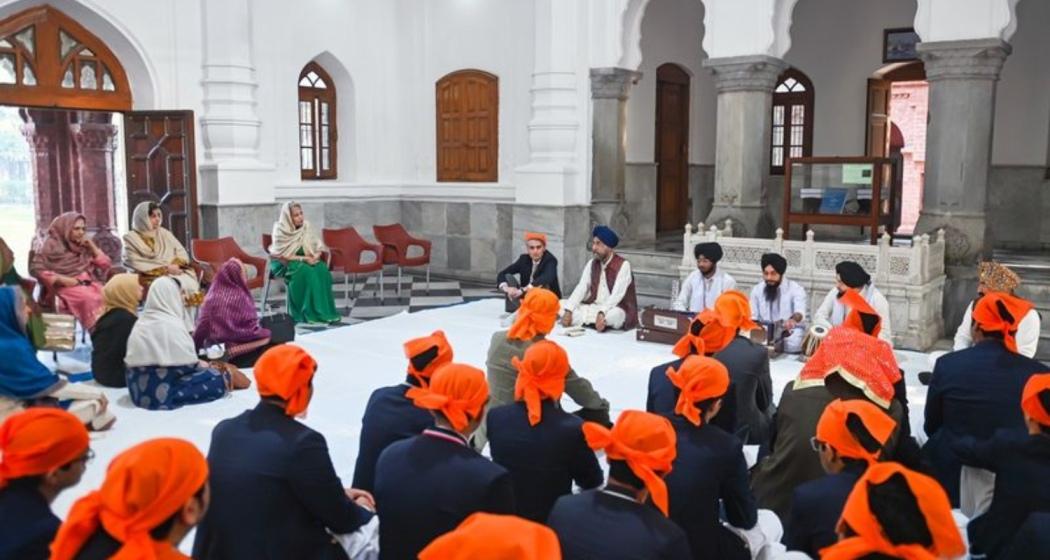
The Gurdwara Sahib at Aitchison College in Lahore resonated with Shabad Kirtan for the first time since 1947 on Thursday, as the institution marked its 140th Founder's Day with a ceremony attended by nearly 100 participants, including members of Pakistan’s Sikh community, Muslim alumni, staff and students.
The colonial-era Gurdwara, established in 1886 alongside the founding of the elite institution on Lahore’s Mall Road, had remained unused for nearly eight decades following the Partition of the subcontinent. With Sikh families migrating to India amid the communal violence of 1947 and no Sikh students left on campus, the shrine fell silent.
The hour-long Kirtan was led by local ragis from Lahore’s Sikh community, who rendered verses from the Guru Granth Sahib centred on equality, devotion and peace. Attendees, including elderly Sikh alumni and current students, sat cross-legged inside the restored prayer hall as hymns were accompanied by harmonium and tabla.
“This is not just a revival; it's a bridge across time,” said Dr Michael A. Crowe, Principal of Aitchison College, addressing the gathering.
Also read: Reality of being ‘toilet paper’ for US dawns on Pakistan
Four Sikh alumni, now in their eighties and nineties, were present as guests of honour. One of them, speaking anonymously to Dawn, said: “I left these walls as a boy in '47. Returning to hear Gurbani here feels like the Guru's grace has healed old wounds.”
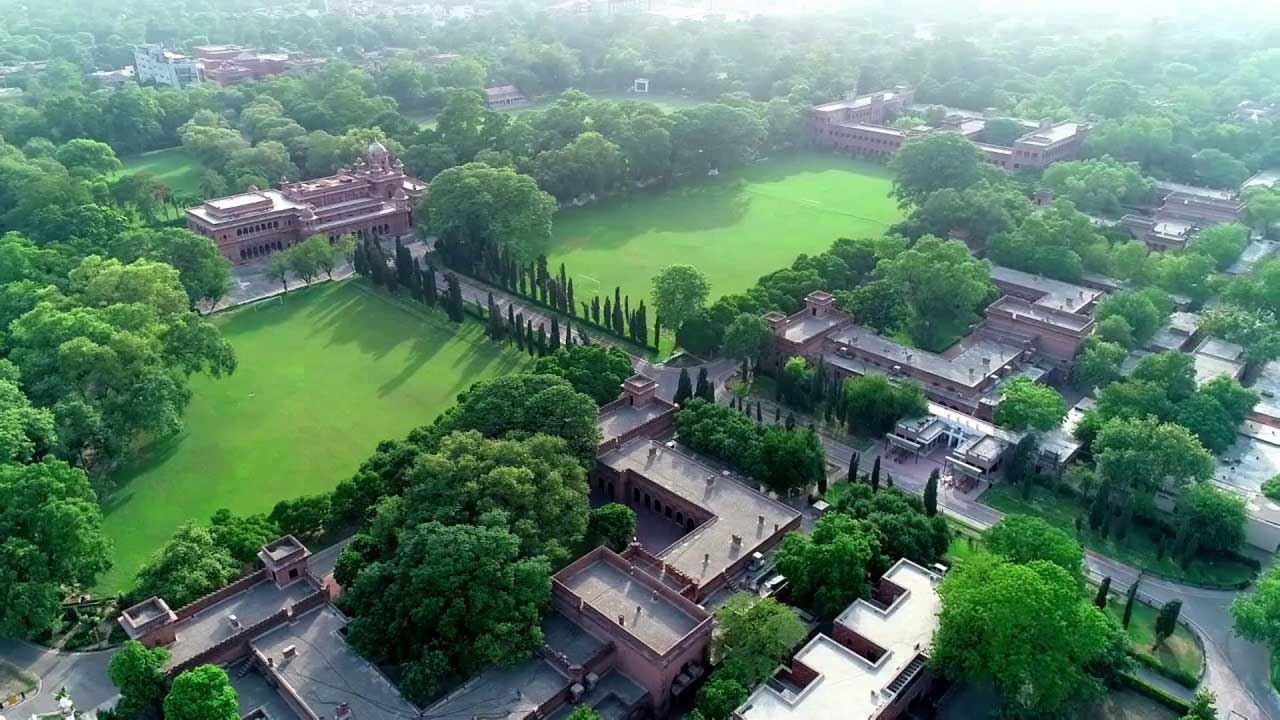
Founded by British Viceroy Lord Dufferin to educate the sons of Muslim elites and princely families, Aitchison College has historically been regarded as a symbol of Lahore’s plural ethos. The revival of Kirtan at its campus Gurdwara comes at a time when minority rights in Pakistan remain under scrutiny.
“It shows our commitment to inclusivity,” Principal Crowe said, indicating that the college is considering holding similar interfaith events in the future.
The ceremony concluded with langar, the traditional Sikh community meal, where participants shared daal and roti within the Gurdwara premises. For Pakistan’s small Sikh minority, estimated at 0.04 per cent of the population, the event marked a symbolic restoration of memory and presence.

 Follow us