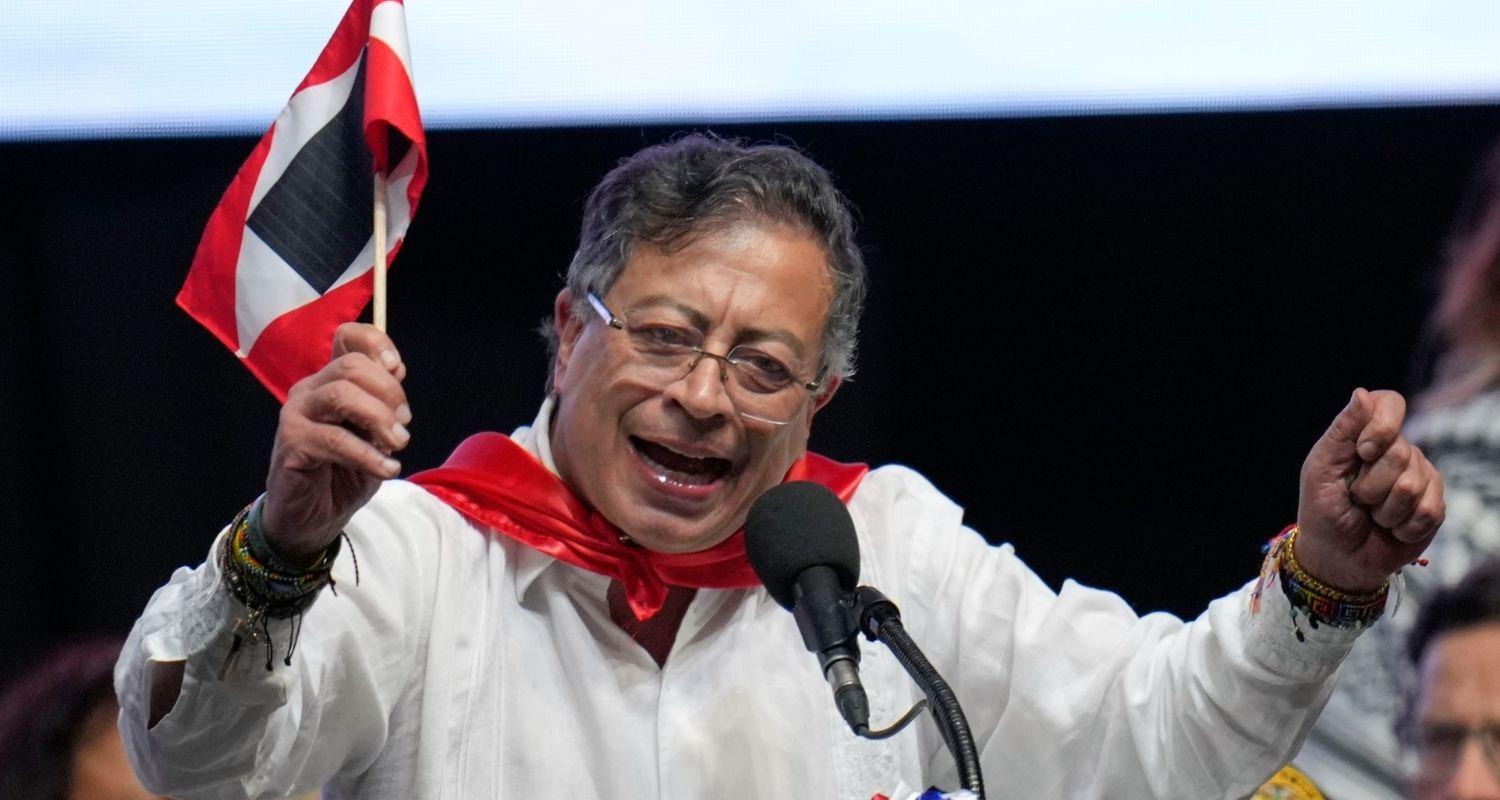
After months of ongoing feud between US President Donald Trump and his Colombian counterpart Gustavo Petro, the two leaders are set to meet in person on February 3, 2026, at the White House, said officials in Washington.
The meeting is likely to focus heavily on drugs, as Colombia remains the world’s biggest producer of cocaine while the United States is the leading consumer.
The development was confirmed shortly after Colombia started accepting US deportation flights from Friday.
Both leaders come from starkly different and opposing political spectrums and have clashed over issues ranging from US support for Israel’s war in Gaza, US strikes on Iran, and the treatment of jailed Venezuelan migrants.
Petro, whose visa was cancelled by Washington last year for joining anti-Israel protests during his visit to the United Nations, will have the ban revoked for this upcoming visit.
The visit is being seen as a fresh attempt to improve relations between the two countries, especially in the wake of Trump’s military offensive against Venezuela and threats to Cuba.
Also Read: Tensions between US-Cuba escalate post-Trump's oil cut-off threat
Concerns run deep in Bogota about the outcome, given the unpredictable nature of the US President, who has triggered considerable global uncertainty in an otherwise rules-based international order since assuming office for the second term in January, 2025.
Undoubtedly, Petro and Trump’s meeting will attract significant international attention, since the Colombian leader is known to be a hard-line leftist and former guerrilla fighter, while Trump is a thorough businessman with a strong capitalist mindset, known for his assertive style in dealings with world leaders.
There are fears in Bogota that Petro might be “Zelenskyyed” by the Trump administration in the Oval Office – a term now used to describe the public dressing-down reportedly given to Ukrainian President Volodymyr Zelenskyy some months earlier.
For the past few decades, Colombia has been one of the United States’ strongest allies in South America, receiving billions of dollars to strengthen its military and intelligence services in the fight against drugs. However, under Petro’s administration, cocaine production in the country has witnessed an unprecedented surge.
After a recent phone conversation between the two leaders, Trump said he “appreciated” Petro’s “call and tone”. “I am sure it will work out very well for Colombia and the USA,” he said.
Ahead of the meeting, Petro also took steps to accommodate Washington’s demands by announcing the resumption of migrant deportation flights to Colombia – the original trigger of the Petro-Trump conflict.
There will be 20 flights, averaging one a week, according to Colombian Foreign Minister Rosa Villavicencio.
Colombia will also restart glyphosate fumigation to destroy coca crops – a practice halted since 2015 and strongly opposed by Petro when he was a senator.

 Follow us