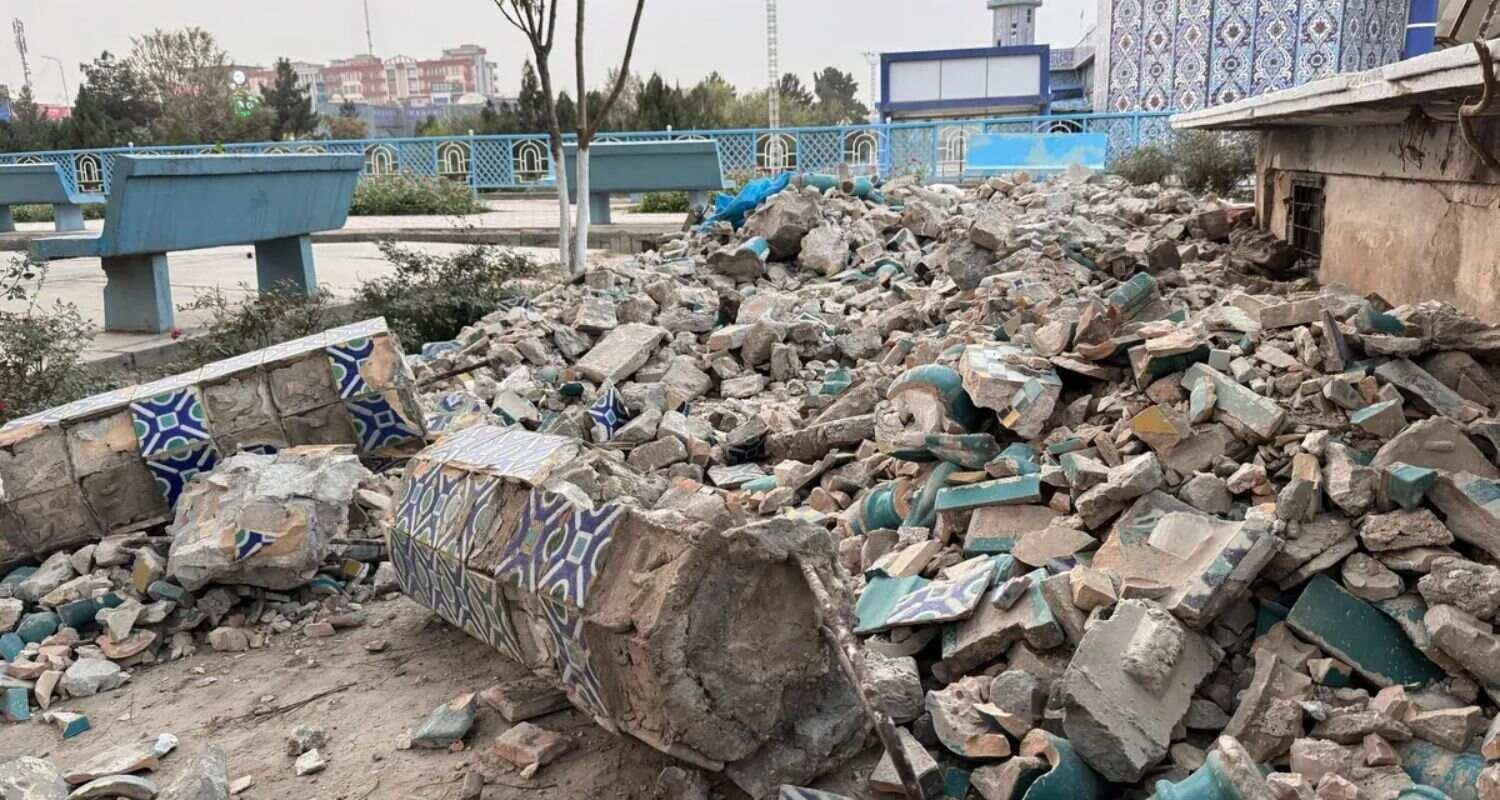
An earthquake measuring 4.4 on the Richter scale struck western Nepal's Rolpa district early Monday morning, causing tremors that were felt across several neighboring districts. Although the earthquake prompted concern among residents, there were no immediate reports of casualties or significant property damage.
According to the National Earthquake Monitoring and Research Centre (NEMRC), the earthquake occurred at approximately 3:07 a.m. local time. The epicenter was located near Iriwang Rural Municipality in Rolpa district, which lies in Lumbini Province. The earthquake's shallow timing during the early hours of the morning meant that many residents were asleep when the tremor occurred, leading people to rush outdoors as a precaution.
The seismic activity was not confined to Rolpa alone. Residents in several surrounding districts, including Salyan, Rukum, and Pyuthan, also reported feeling the tremors. While the shaking was described as moderate, local authorities stated that there were no immediate indications of major structural damage or injuries. Officials, however, continued to monitor the situation and assess any potential impacts in remote villages where communication can sometimes be delayed.
Emergency response agencies remained on alert following the quake, urging residents to stay cautious in the event of aftershocks. Seismologists often advise people to remain vigilant after an earthquake, as smaller follow-up tremors can occur hours or even days after the initial event. Authorities also encouraged citizens to inspect their homes for any signs of structural damage before returning indoors if they had evacuated during the shaking.
Nepal is one of the world's most earthquake-prone countries due to its location along the boundary of the Indian and Eurasian tectonic plates. The ongoing collision between these massive plates continues to generate significant geological pressure beneath the Himalayan region, making earthquakes a frequent occurrence. Most earthquakes in the country are minor and cause little or no damage, but experts warn that the region remains vulnerable to stronger seismic events.
Also read: Iran-US to hold key negotiations today
The country has significantly improved its earthquake monitoring capabilities and disaster preparedness efforts since the devastating 2015 Gorkha earthquake, which measured 7.8 magnitude and claimed nearly 9,000 lives while injuring thousands more. That disaster also destroyed hundreds of thousands of homes, schools, and historical monuments, highlighting Nepal's vulnerability to seismic hazards.
Since then, the government has strengthened its emergency response mechanisms, expanded public awareness campaigns, and improved earthquake-resistant building standards. The National Earthquake Monitoring and Research Centre now operates an extensive network of seismic monitoring stations across the country, enabling faster detection and reporting of earthquakes.
Monday's earthquake serves as another reminder of Nepal's active seismic landscape. Although the 4.4-magnitude tremor was relatively moderate and did not immediately result in reported damage, authorities continue to monitor the affected areas while encouraging residents to remain prepared for possible aftershocks. Disaster management officials have reiterated the importance of earthquake preparedness, emphasizing that public awareness, resilient infrastructure, and prompt emergency response remain essential for minimizing the impact of future seismic events.

 Follow us