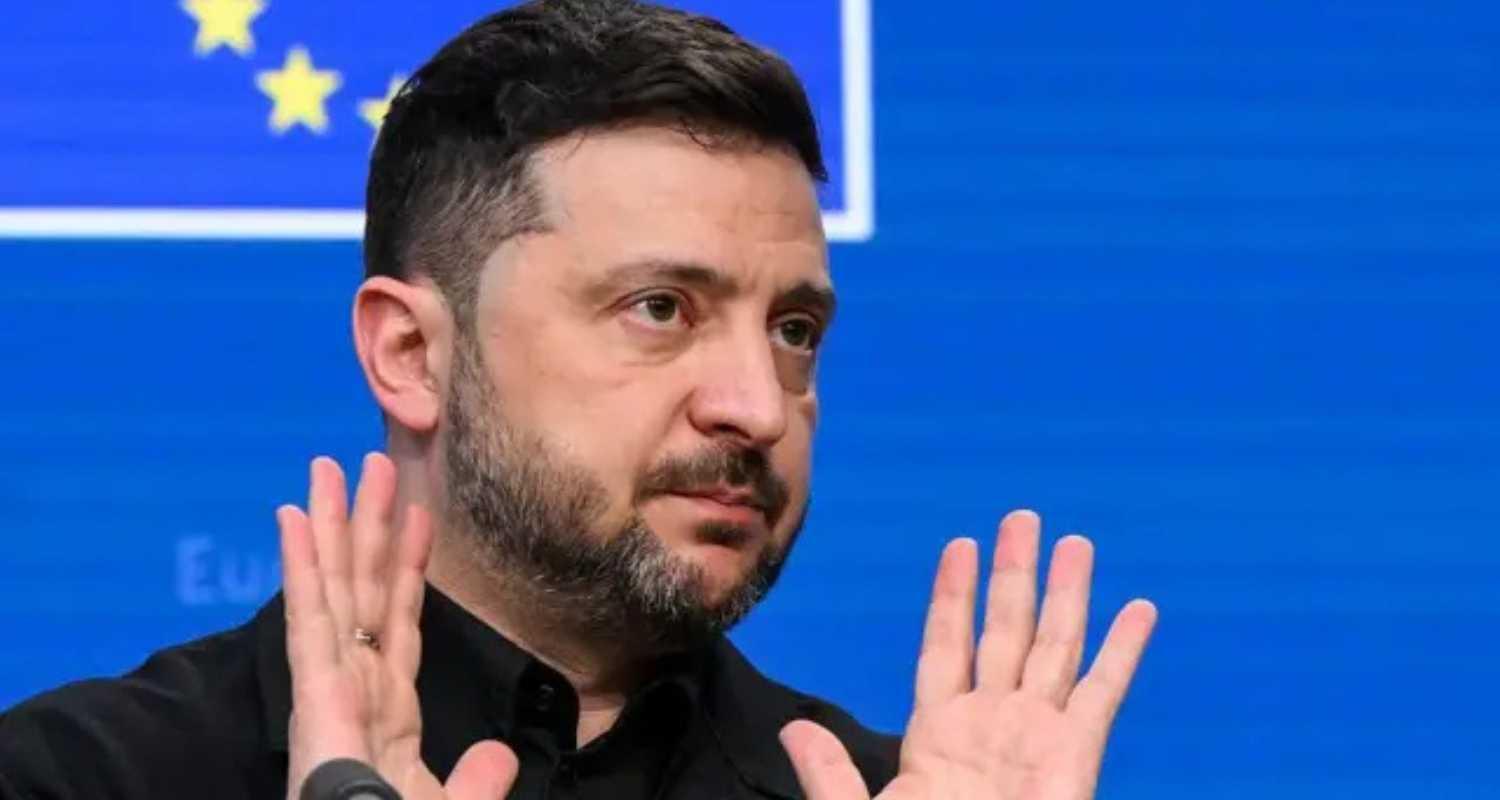
The marathon talks in Brussels, lasting over 15 hours, ended without any formal agreement on utilising Russian frozen assets to support cash-strapped Ukraine from April next year. These talks failed after several bloc members rejected the bid to use Russian assets to fund Ukraine's military campaign against Russia.
Leaders, including Kier Starmer, Friedrich Merz, and Emmanuel Macron, tried to motivate bloc members to agree on using Russia’s frozen assets to fund Ukraine. According to officials, European Council President Antonio Costa had proposed an alternative means of borrowing loans or raising common debt to finance Kyiv in the short term. At the same time, reparations are being discussed within the bloc.
The fate of the controversial plan to use Russian assets frozen in the bloc to finance a €180 billion loan to allow Kyiv to continue the military conflict remains unknown. Moscow has already warned Euroclear, the Belgium-based clearing house that holds around $150 billion worth of Russian assets, of far-reaching financial and legal consequences in case it approves the funds to be used for Ukraine.
Also Read: EU leaders pressure Belgium over Russian assets for Ukraine
Tensions within the EU are soaring as Belgium's Prime Minister Bart de Wever rejected the idea that could bring the nation into direct conflict with Moscow. Giorgia Meloni of Italy, Viktor Orban of Hungary, Robert Fico of Slovakia, and Andrej Babis of the Czech Republic also supported the disagreement.
Later, all three members tabled a common debt plan alternative for Ukraine; however, it was rejected by the German chancellor and EU Chief Ursula von der Leyen, who instead insisted on a more dangerous option to utilise Russian assets to give Ukraine enough money to keep fighting for two more years.
An emotionally charged Polish Prime Minister Donald Tusk, before the meeting, said, “Either money today or blood tomorrow.” Without the EU war chest, Zelenskyy faces a short-term economic crisis. Ukraine needs some $87 billion to repay a G7 loan and stay afloat fiscally.
Also Read: Australia to toughen hate speech laws post-Bondi Beach attack

 Follow us