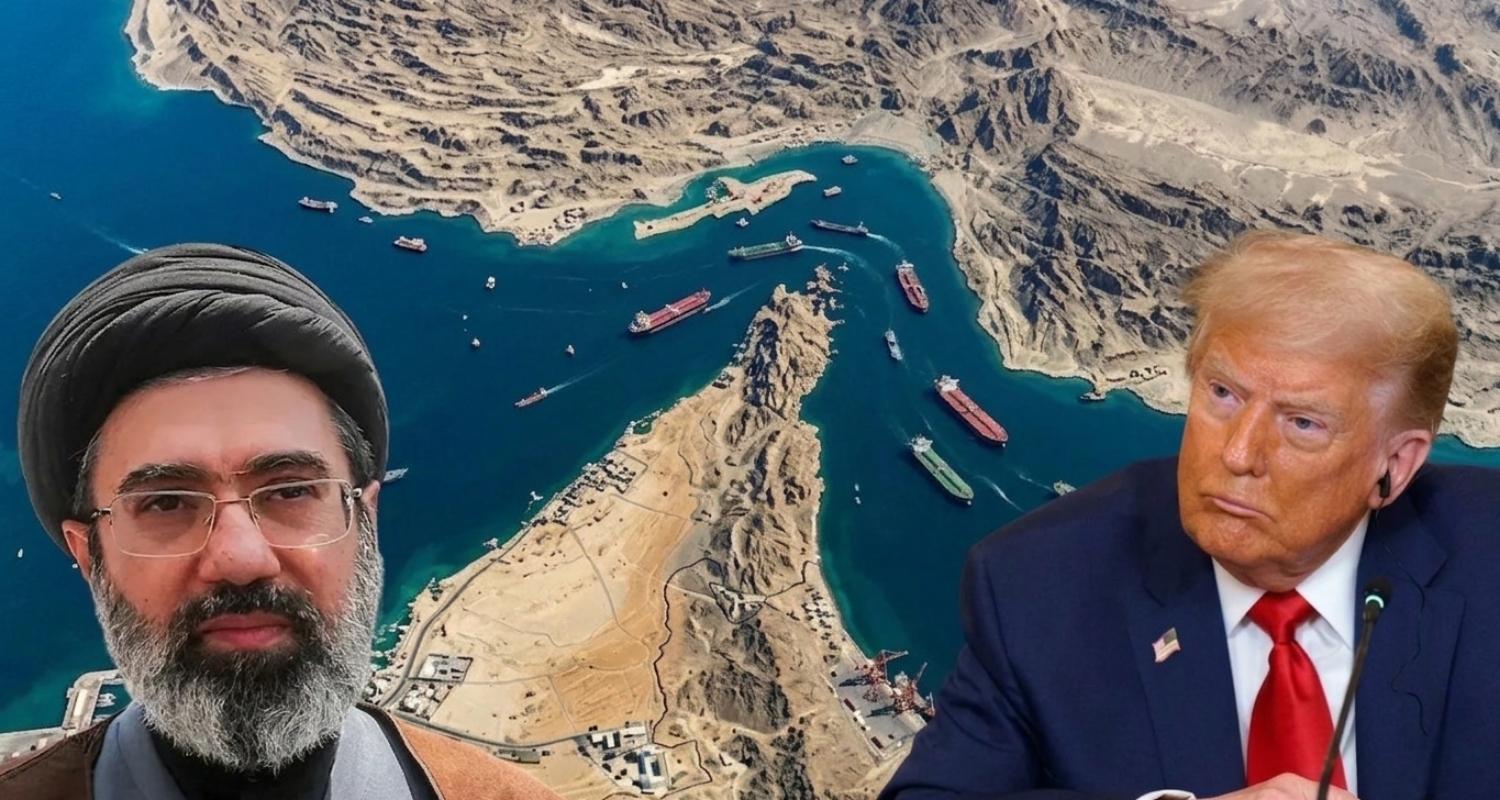
Iran has sent a revised negotiating proposal to the United States through Pakistani intermediaries, signalling a renewed diplomatic effort even as tensions remain high and a fragile ceasefire holds, according to official reports on Friday.
The move follows the rejection of an earlier Iranian proposal by US President Donald Trump, with the latest development suggesting attempts to reopen dialogue amid continued military and economic pressure.
“The Islamic Republic of Iran delivered the text of its latest negotiating proposal to Pakistan, acting as mediator in talks with the United States,” Iran’s state news agency reported. Trump has reiterated that the US will maintain pressure on Iran, including restricting access to ports to limit oil exports, describing it as part of efforts to force concessions. He has also said Iran is ‘desperate’ for a deal, while receiving briefings on additional military options.
Despite diplomatic signals, both sides continue to maintain a high level of military readiness. The US naval presence has disrupted Iranian oil shipments, while Tehran insists that hostilities have not truly ended despite the ceasefire announcement.
Iranian foreign ministry spokesperson Esmaeil Baghaei described Washington’s actions as ‘aggression’ rather than self-defence, rejecting US justification for continued pressure.
Maritime risks have also increased in the region, with the United Kingdom Maritime Trade Operations reporting incidents involving armed vessels approaching commercial shipping near Yemen, underscoring ongoing threats to sea routes.
Global crude markets have reacted sharply to developments, balancing hopes of renewed talks against continued supply uncertainty. Prices briefly eased after reports of Iran’s revised proposal, with Brent crude falling to around $109 per barrel and US West Texas Intermediate also declining, though both remained on track for weekly gains.
However, uncertainty persists due to disruptions around the Strait of Hormuz, a key global energy chokepoint. Restrictions on Iranian exports and heightened naval activity have tightened supply flows, keeping markets on edge. Shipping activity through the strait remains limited, with reports of constrained vessel movement, including a Pakistani tanker navigating outbound waters amid the tensions.
Also read: Iran slams US blockade as Trump hints at restarting war
Alongside external pressure, reports suggest growing internal disagreements within Iran’s leadership over its negotiation strategy with the US. Senior officials are reportedly considering changes in the foreign ministry, including possible removal of Foreign Minister Abbas Araghchi, over differences in handling talks and coordination with other power centres.
The reported friction highlights broader debate within Tehran over how to balance diplomacy with hardline positions amid sustained international pressure.
The crisis continues to shape broader geopolitical alignments. The US has increased diplomatic engagement with regional partners, including Iraq, as part of efforts to contain Iran’s influence.
An official from the United Arab Emirates expressed doubts over Tehran’s reliability regarding control of the Strait of Hormuz, saying Iran ‘cannot be trusted’ in unilateral arrangements.
Pakistan has also acknowledged its exposure to global oil shocks triggered by the crisis, reflecting wider economic risks across the region. With diplomatic channels cautiously reopening but military and economic pressure still in place, the situation remains highly uncertain, with the next steps dependent on Washington’s response to Tehran’s latest proposal.

 Follow us