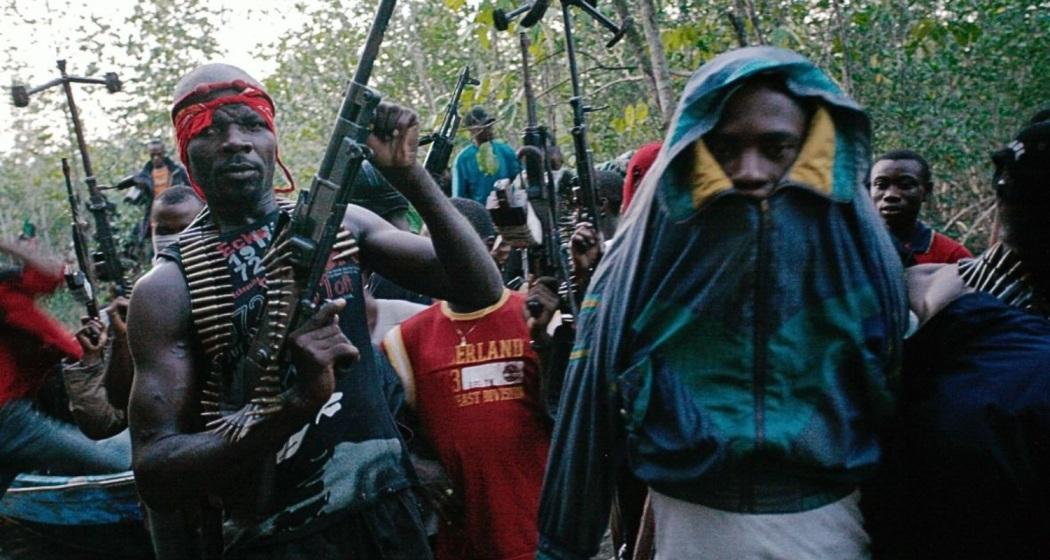
More than 70 people were killed when unidentified gunmen attacked a gold mining site at Jebel Iraq on the outskirts of Juba over the weekend, police confirmed on Monday, in one of the deadliest recent incidents linked to resource disputes in the country.
Police spokesperson Kwacijwok Dominic Amondoc said the assailants struck the mining area in Central Equatoria state, leaving dozens dead and many others injured. “All I know is that unknown gunmen attacked Jebel Iraq at a gold mine. There are more than 70 dead and many more injured,” he said, adding that further details would be released as information becomes available.
Videos circulating online showed bodies strewn across an open field, while local reports indicated that several victims may have fled into nearby bushes in an attempt to escape the violence.
The Sudan People’s Liberation Movement/Army–In Opposition (SPLM/A-IO) condemned the killings and accused government forces of involvement, an allegation that is likely to heighten tensions in a country already grappling with fragile peace arrangements.
The attack is believed to be linked to longstanding disputes over control of gold resources in the area. The Jebel Iraq mining site has previously witnessed violent confrontations between informal miners and companies seeking to exploit the deposits, reflecting broader tensions over access to lucrative natural resources.
Also read: Gunmen slaughter 22 civilians in South Sudan
South Sudan, the world’s youngest nation, has struggled with recurrent violence since gaining independence in 2011. Despite a 2018 peace agreement aimed at ending a prolonged civil war, localised clashes, often driven by competition over land, cattle, and minerals, continue to erupt across different regions.
Recent months have seen a surge in such incidents. Earlier in March, at least 169 people were killed in an attack in the northern part of the country, underlining the persistent volatility and the risk of wider instability.
Analysts note that gold mining has increasingly become a flashpoint, as weak state control and the proliferation of armed groups have turned resource-rich areas into contested zones. Informal mining operations, often unregulated, attract rival factions seeking to assert control over profits.
Human rights groups have repeatedly warned that disputes over natural resources are fuelling cycles of violence, with civilians frequently caught in the crossfire. The lack of effective law enforcement in remote regions further complicates efforts to prevent such attacks.
Authorities have not yet announced arrests in connection with the latest killings, and it remains unclear who carried out the assault. Investigations are expected to focus on both armed groups and local militias operating in the region.
The incident underscores the continuing challenges facing South Sudan’s security landscape, where competition for resources and unresolved political rivalries continue to threaten fragile stability.

 Follow us